Following the Eaton fire, a new air quality monitoring network has been deployed in Altadena and surrounding areas to track airborne dust during debris removal and rebuilding efforts. The project, named PHOENIX (Post-fire airborne Hazard Observation Environmental Network for Integrated Xposure-monitoring), was initiated by Caltech researchers in collaboration with local schools, businesses, and community members.
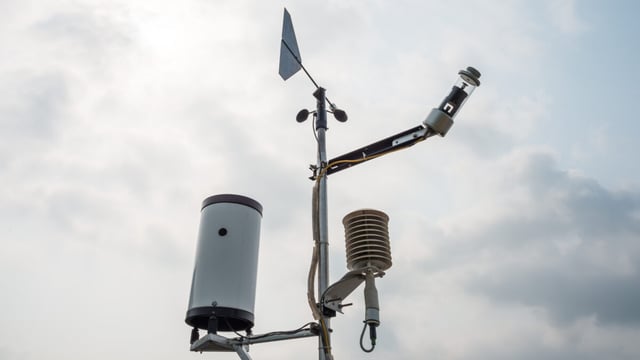
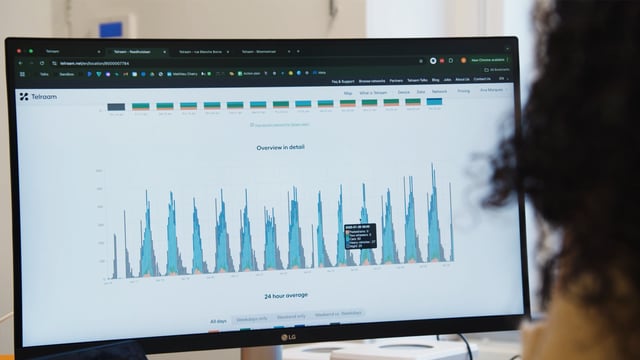
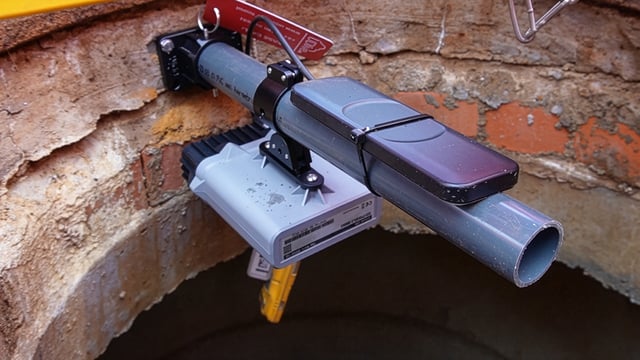
The network consists of 19 solar-powered sensors placed on rooftops across Altadena, including at NASA’s Jet Propulsion Laboratory. These sensors measure particulate matter in three size categories (PM1.0, PM2.5, and PM10), providing real-time data updated every five minutes. The information is accessible to the public and will assist agencies like FEMA and the EPA in evaluating dust-mitigation efforts.
The project was funded through contributions from Caltech’s Division of Geological and Planetary Sciences, the Resnick Sustainability Institute, and other supporters. Additional sensors were loaned by JPL, the Georgia Institute of Technology, and the ASCENT network. The team plans to expand the network and enhance the public database with predictive models and machine learning to better identify dust sources and air quality trends.
The initiative aims to address heightened levels of toxins, such as lead and chlorine, detected in the air post-fire, while providing the community with reliable, real-time air quality data.