The San Diego City Council has suspended funding for its Smart Streetlight and Automated License Plate Reader (ALPR) program for the upcoming fiscal year, pending a review of data security and privacy issues. This decision follows a recent disclosure that, due to a misconfiguration, the ALPR database was accessible to other California law enforcement agencies for nearly three weeks in early 2024, contrary to city policy.
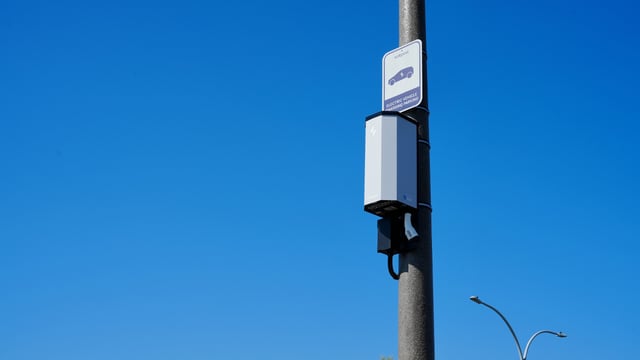
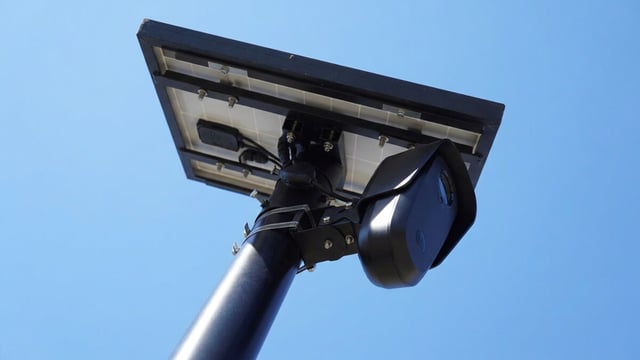
The surveillance system, comprising 500 smart streetlights and ALPRs, is operated under a five-year, $12 million contract with Ubicquia and Flock Safety. Despite assurances that the data is not shared with federal agencies, concerns persist about potential misuse, especially in light of previous instances where information was shared with federal entities like Homeland Security Investigations and Customs and Border Protection, though not for immigration enforcement purposes.
The program, initially launched in 2016 and paused in 2020 due to privacy concerns, was reinstated in late 2023 under new privacy guidelines. The council’s decision reflects ongoing debates over the balance between public safety and individual privacy rights.