Stockholm-based Netmore Group has completed its acquisition of Paris-based Actility, a pioneer in low-power wide-area network (LPWAN) technology, consolidating their combined operations into the world’s largest LoRaWAN infrastructure. The deal brings together over 14 million contracted IoT devices and extends Netmore’s reach across more than 100 countries through partnerships with over 50 LoRaWAN network operators.
Unifying a Fragmented LPWAN Ecosystem
The acquisition addresses years of market fragmentation in the LoRaWAN sector by merging Netmore’s carrier-grade network operations with Actility’s ThingPark platform, which powers the majority of public LoRaWAN networks worldwide. Actility, one of the original authors of the LoRaWAN specification and a founding member of the LoRa Alliance, brings extensive deployment experience and a customer base that includes tier-1 telecommunications operators and global utility and manufacturing enterprises.
Netmore, backed by Nordic infrastructure investor Polar Structure, has been steadily expanding its footprint through strategic acquisitions in recent years. The company operates in 18 countries and has positioned itself as a specialist in massive IoT deployments for utilities, buildings, and smart cities.
Expanding Capabilities Across Multiple Verticals
The transaction aims to strengthen Netmore’s position in its core utility, building management, and smart city segments while opening new opportunities in enterprise, industrial, asset tracking, and telecommunications operator markets. The combined portfolio introduces several technical capabilities designed to accelerate deployment and reduce costs for customers.
Key additions include on-premise high-availability LPWAN infrastructure for regulated and security-sensitive environments, native DLMS (Device Language Message Specification) over LoRaWAN for efficient smart metering applications, and autonomous gateways with embedded network servers featuring direct BACnet/Modbus connectivity. The integration also brings LoRaWAN Relay functionality that enhances coverage in challenging environments, particularly valuable for water metering projects requiring strict service level agreements.
The ThingPark Exchange roaming hub, which enables private and public networks to seamlessly exchange sensor data, adds a significant asset to Netmore’s offerings. This platform already supports roaming partnerships with major European operators including Orange, KPN, and Swisscom.
Orange Business Affirms Support for Combined Entity
Orange Business, which operates one of the largest public LoRaWAN networks powered by Actility’s ThingPark platform (covering over 30,000 municipalities), has expressed support for the consolidation. The operator has maintained a decade-long partnership with Actility to deliver IoT solutions across enterprise and public sector applications.
Orange committed in late 2023 to continue supporting LoRaWAN development in France beyond 2027, a significant endorsement given that competitor Bouygues Telecom exited the market by shutting down its public LoRaWAN network in 2024. Netmore subsequently acquired Bouygues Telecom’s Objenious LoRaWAN assets and began operating France’s LoRaWAN network in early 2024, ensuring continuity for existing customers while expanding coverage for large-scale IoT projects across Europe.
Geolocation Subsidiary Abeeway Joins the Portfolio
The acquisition includes Abeeway, Actility’s subsidiary specializing in ultra-low power multi-technology geolocation. Abeeway provides tracking solutions that combine GPS, Low-Power GPS, Wi-Fi sniffing, Bluetooth Low Energy, and LoRaWAN TDoA positioning technologies. The subsidiary’s devices serve applications ranging from industrial asset tracking to personnel safety monitoring, operating for extended periods on single battery charges without requiring cellular subscriptions.
The Abeeway acquisition strengthens Netmore’s capability to address the growing logistics, supply chain, and asset management markets where geolocation represents a substantial business opportunity.
Positioning for EU Cyber Resilience Act Compliance
The combined entity also positions customers to address upcoming regulatory requirements. The European Union’s Cyber Resilience Act, which entered into force in December 2024, mandates cybersecurity requirements for products with digital elements, including IoT devices. The regulation’s main obligations will apply from December 2027, requiring manufacturers to implement secure-by-design principles and provide security updates throughout product lifecycles.
Netmore’s announcement highlighted FUOTA (Firmware Update Over The Air) capabilities as a key benefit of the merged platform, enabling customers to meet upcoming CRA requirements by delivering firmware broadcasts and updates across deployed device fleets.
Aggressive Expansion Strategy Continues
The LPWAN market continues to experience substantial growth driven by smart city initiatives, utility digitalization, and industrial IoT deployments. Industry analyses project the global LPWAN market to expand significantly through the end of the decade, with LoRaWAN technology maintaining a leading position among connectivity options for battery-powered IoT applications.
The Actility acquisition caps an aggressive expansion period for Netmore. Beyond the French market entry, the company has grown through purchases including Spanish operator Redexia and Dutch operator Techtenna. In March 2025, Netmore acquired US-based LoRaWAN specialist Senet to expand its international operations, with Polar Structure and Fisk Ventures providing financial backing for the deal.
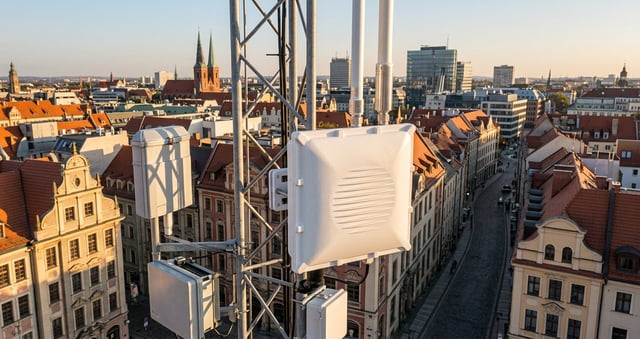
The company has also been expanding its UK infrastructure through a partnership with Cellnex, installing LoRaWAN gateways across hundreds of streetworks monopole sites. This rollout supports Netmore’s contract with Yorkshire Water, where 1.3 million smart water meters will be connected in one of Europe’s largest LoRaWAN metering initiatives under the UK’s AMP8 regulatory framework.
The Actility acquisition substantially increases Netmore’s scale, bringing the combined contracted device count to over 14 million.