Northumbrian Water is preparing a £175 million infrastructure programme in Berwick-upon-Tweed that will replace obsolete storm tanks, deploy intelligent sewer monitoring systems, and reinforce the town’s wastewater network. Construction is scheduled for early spring 2027, with the project expected to span approximately two and a half years.
The initiative is the single largest investment within the utility’s broader £2.6 billion capital plan for 2025–2030, which encompasses nearly 800 projects across North East England. It targets persistent storm overflow discharges that have long affected the River Tweed and the Spittal bathing water, a popular coastal site at the mouth of the estuary.
Why Berwick Became a Priority for Regulatory Intervention
The Berwick catchment has faced sustained pressure from ageing combined sewers that carry both household wastewater and rainwater in a single pipe system. During heavy rainfall, these sewers become overwhelmed, triggering storm overflow discharges of diluted but untreated sewage into local waterways.
The Environment Agency has identified up to 42 storm overflows in the Berwick catchment requiring intervention, 17 of which discharge directly into designated bathing waters.
Smart Monitoring and Hydraulic Modelling at the Core
The planning phase, now underway, involves ground investigations, survey work, and hydraulic simulation modelling to identify the root causes of overflow events at each of the 31 priority locations. Stantec, an international infrastructure consultancy, is leading the technical design effort, with Jacobs appointed as third-party assurer to peer-review the modelling and proposed interventions.
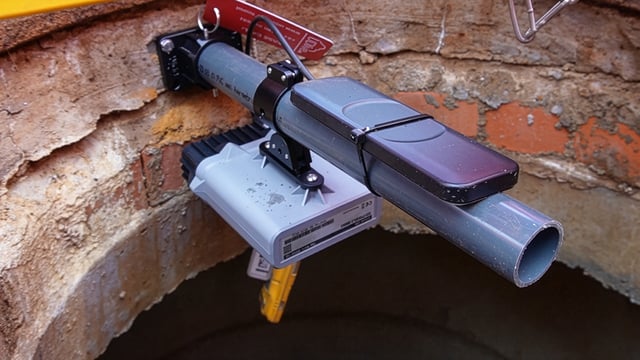
The project’s “smart monitoring” component will integrate real-time sensor networks into the sewer infrastructure, enabling continuous tracking of flow levels, overflow frequency, and system performance. This represents a significant shift from legacy approaches that relied on periodic inspections and event duration monitoring alone. The utility has been steadily building its digital capabilities in recent years, including an expanded deployment of Vyntelligence’s AI-powered video intelligence platform across its network to move asset management from reactive to predictive, an approach that could inform how the Berwick monitoring systems are managed long-term.
Potential solutions under evaluation include new storage capacity using both engineered and nature-based methods, optimisation of existing sewer capacity through improved flow management and pumping, disconnection of surface water systems from the combined network, and separation of rainwater drainage from large impermeable areas. The final intervention strategy will be determined by the verified hydraulic model and root cause analysis for each overflow location.
Regulatory Pressure and the UK’s Storm Overflow Targets
The Berwick investment unfolds against a backdrop of intensifying regulatory scrutiny across England’s water sector. The UK government’s Storm Overflows Discharge Reduction Plan, first published in August 2022 and expanded in September 2023 under the Environment Act 2021, mandates that water companies improve all overflows near designated bathing waters and 75% of those at high-priority ecological sites by 2035. By 2050, no storm overflow in England will be permitted to discharge more than an average of 10 rainfall events per year.
The expanded plan, which now includes coastal and estuarine waters, Marine Protected Areas, and shellfish water protected areas, is estimated to require approximately £60 billion in capital investment across the sector through 2050. There are roughly 15,000 storm overflows in England, and as of the end of 2023, all are now fitted with event duration monitors following a push that saw coverage rise from just 7% in 2010.
For Northumbrian Water specifically, Ofwat has set stretched performance targets for storm overflows and pollution incidents during the current regulatory period, alongside increased investment allowances to achieve them.