in Barcelona
 3 to 5 Nov 2026
In December 2024, the French data protection authority, CNIL, issued a formal notice to the Ministry of the Interior regarding the use of BriefCam’s video surveillance software by police services. The action follows a November 2023 investigation, prompted by a Disclose report, which alleged the unauthorized use of facial recognition technology.
BriefCam, an Israeli company now owned by Canon, specializes in computer vision technology designed to analyze video surveillance footage. Its software leverages advanced algorithms to enable functionalities such as facial recognition, object detection, and behavioral analysis. Although the CNIL found no evidence of active use of real-time facial recognition by police services—consistent with legal requirements—the Ministry of the Interior reported a single instance of facial recognition being used during a judicial investigation. As a result, the CNIL mandated that the Ministry disable or restrict this functionality to comply with privacy regulations.
The CNIL’s findings revealed that since 2015, certain investigative units within the Ministry have utilized BriefCam’s software to analyze pre-recorded video footage. This practice may fall under the scope of judicial reconciliation software (LRJ), subject to strict legal oversight. However, the Ministry has been criticized for delays in submitting compliance commitments, with some frameworks implemented years before legal formalities were addressed.
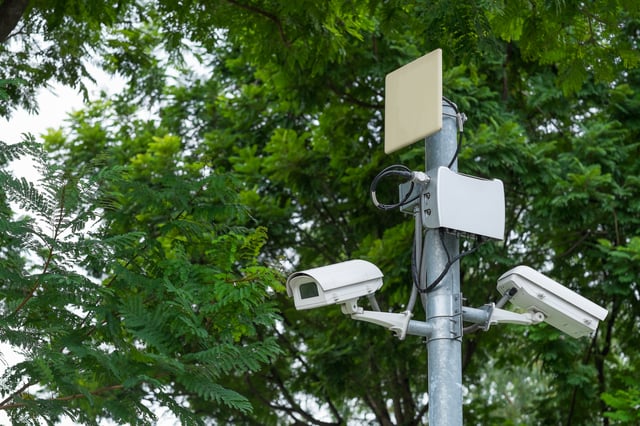
Moreover, the CNIL inspected eight municipalities employing BriefCam’s software and issued formal notices to six for non-compliance in their use of augmented surveillance cameras. These cameras use computer vision to enhance monitoring by detecting objects or individuals in video feeds. The CNIL reiterated that, outside of the experimental framework established for the 2024 Olympic Games, the use of real-time augmented cameras is prohibited. Automatic analysis of pre-recorded images is permitted in judicial contexts but remains strictly regulated.