Wollongong has launched an innovative trial to tackle hooning and vehicle noise pollution by deploying advanced noise detection cameras, marking Australia’s first initiative of this kind. Bayside in Sydney is also participating, targeting disruptive driving behaviors that impact community peace.
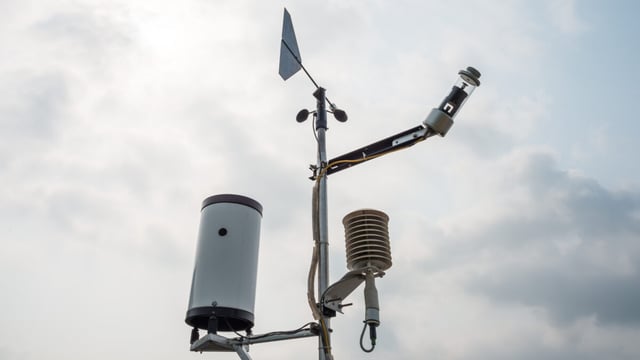
At the core of this trial is the SoundVue Noise Camera System, developed by UK-based Intelligent Instruments. This weatherproof system combines a microphone array and dual cameras to monitor and record roadside noise, capturing high-quality audio and video.
The trial, running until December 2025, focuses on evaluating the technology’s effectiveness and accuracy in identifying excessively noisy vehicles. No fines will be issued during this period. The NSW Environment Protection Authority (EPA) is also working with the University of Technology Sydney’s Centre for Audio, Acoustics, and Vibration to test an additional camera in a controlled environment, ensuring the system’s reliability.
This initiative aims to enhance community well-being by reducing noise pollution and deterring anti-social driving behaviors. If proven successful, it could pave the way for wider implementation of noise detection technology across Australia.