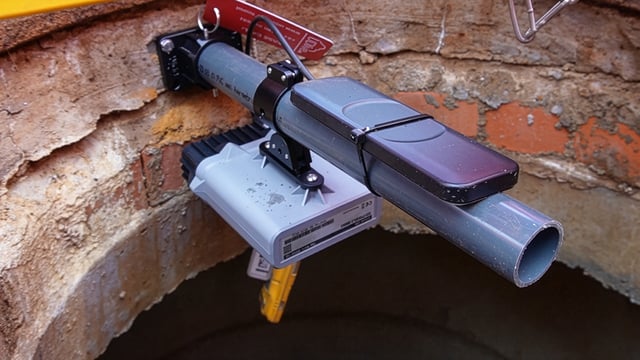
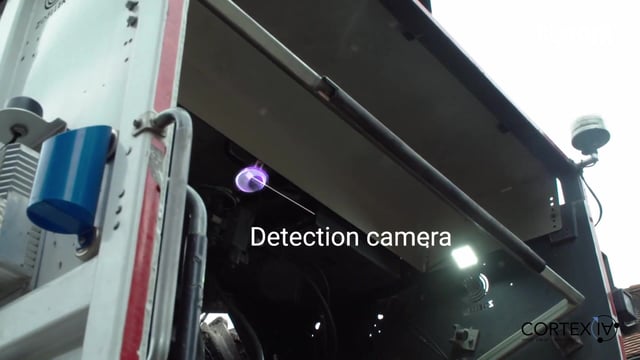
The New York City Department of Transportation has finalized a five-year, $998 million contract with Verra Mobility (NASDAQ: VRRM) to dramatically scale up its automated traffic enforcement infrastructure across all five boroughs. The deal, which took effect on January 1, 2026, will expand the city’s red-light camera footprint from 150 to 600 signalized intersections, a fourfold increase, while also upgrading legacy equipment and broadening bus lane and speed enforcement programs.
A Three-Decade Partnership Enters Its Largest Phase
Verra Mobility has operated New York City’s automated enforcement network, the largest municipal system of its kind in the United States, for more than 30 years. The new agreement represents a 34% increase over the previous five-year contract period (2021–2025), which expired in December 2025, and includes an option for an additional five-year extension.
The expansion was enabled by state legislation signed by Governor Kathy Hochul in 2025, which renewed and enlarged the city’s red-light camera authorization from 150 to 600 intersections. Previously, camera-equipped intersections accounted for less than 1% of the city’s signalized junctions. The city began activating new installations in January 2026, targeting approximately 50 intersections per week, with the full 600-site rollout expected by year-end.
Scope Beyond Red Lights: Speed, Bus Lanes, and Weight Enforcement
The contract extends well beyond red-light monitoring. Verra Mobility will continue managing the city’s speed safety cameras, automated bus lane obstruction enforcement, and cameras that detect overweight vehicles on the Brooklyn-Queens Expressway. The bus lane enforcement program is also set for expansion under the new agreement.
A key technology component involves upgrading older camera systems to address emerging challenges, including the growing prevalence of obscured and forged license plates, sometimes referred to as “ghost cars”, that evade detection by conventional enforcement equipment. Verra Mobility was selected through a competitive request for proposals issued in summer 2025, with the company earning the highest technical evaluation score from the NYC DOT.
Safety Record Underpins the Expansion Rationale
New York City’s red-light camera program, first introduced in 1994, has compiled a substantial safety track record. According to the NYC DOT, daily red-light violations at camera-equipped intersections have fallen by 73% since the program’s inception. The city has also documented a 65% reduction in T-bone crashes and a 49% decline in rear-end collisions at those locations.
By 2023, 94% of vehicles flagged for running a red light received no more than one or two violations, suggesting the cameras are effective at modifying repeat behavior. However, red-light-related fatalities in New York City reached 29 in 2023, more than double the annual average of the prior decade, underscoring the urgency behind the expanded deployment.
Financial Self-Sufficiency Amid Federal Funding Shifts
The program has historically been self-sustaining through fine revenue. From its 1994 launch through June 2023, the red-light camera system generated approximately $364 million in net revenue after accounting for equipment and operational costs. In fiscal year 2024, the program produced roughly $20 million in net revenue. Drivers who trigger a red-light camera receive a $50 fine per violation.
This financial independence takes on additional significance given recent federal policy changes. In December 2025, the U.S. Department of Transportation announced it would no longer approve grants for automated traffic enforcement cameras under the Safe Streets and Roads for All (SS4A) program, except in school or work zones. A department spokesperson characterized speed cameras as instruments for “unfair revenue schemes.” New York City’s program, funded primarily through its own violation revenues rather than federal grants, remains largely insulated from this policy shift.
National Context: Automated Enforcement Gains Ground Despite Opposition
Automated traffic enforcement continues to expand across the United States, though adoption remains uneven. According to the Insurance Institute for Highway Safety (IIHS), 352 U.S. communities were operating red-light camera programs as of February 2026, while 344 had deployed speed camera systems. Twenty-two states and the District of Columbia have enacted legislation permitting red-light cameras, although nine states have explicitly prohibited them, according to the Governors Highway Safety Association.
Research continues to reinforce the safety case. The IIHS has estimated that red-light cameras reduce injury crashes by roughly 19% overall, with right-angle injury collisions declining by approximately 29%. Notably, cities that discontinued their programs experienced a 30% higher rate of fatal red-light-running crashes compared to jurisdictions that maintained enforcement.
San Francisco’s speed camera program, also operated by Verra Mobility under California’s AB 645 legislation, reported a 72% average reduction in speeding at 15 monitored locations within six months of activation, according to the San Francisco Municipal Transportation Agency. Average vehicle speeds at all 15 study sites fell below posted limits after camera installation.
What Remains Unclear
Several details about the expanded program have not been publicly disclosed. The NYC DOT has declined to reveal the specific intersection locations where new cameras will be installed, stating that keeping sites undisclosed enhances the program’s deterrent effect. The per-unit cost of the new camera installations, the precise timeline for bus lane enforcement expansion, and the technology specifications of the upgraded equipment have also not been detailed in public announcements.