From Roman Aqueducts to Digital Twin: Modernising Naples’ 2,500 km Water Network
Naples' public water utility is building a virtual replica of its sprawling, centuries-old infrastructure to cut leaks, save energy and make smarter decisions.
Naples is a city where centuries-old infrastructure coexists with modern urban demands. For Acqua Bene Comune Napoli (ABC), the public water utility managing the city’s water network, that means operating one of Europe’s oldest and most complex systems: a network of pipes varying in age, material, diameter and installation standards.
The variability makes management complex, yet the utility must still reduce leaks, cut energy use and maintain reliable service. To do that, ABC is working on its digital transformation, betting on a smart water management system with a digital twin at the heart of it.
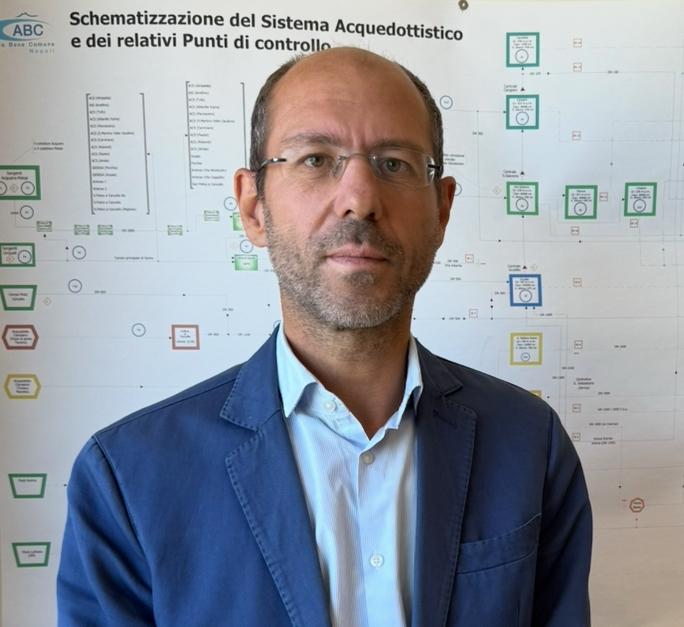
"The complexity level of the area requires the use of specific digital tools. The use of advanced data integration, modelling and decision support capabilities is crucial for the maintenance of infrastructure and for the operational activities."
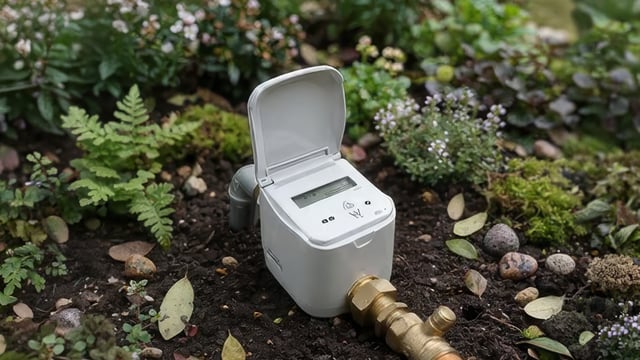
ABC, which serves two million residents and manages a network of 2,500 km of municipal water distribution and 1,200 km of sewers, has partnered with Italian technology firm Almaviva to develop the digital twin. The company began its digitalisation process several years ago and in 2024 announced a €44 million investment in smart measurement tools, 115,000 smart metres in homes – around 70% of which have already been installed – 500 acoustic sensors to monitor the network, as well as fountain renovations and maintenance upgrades. The utility has also deployed more than 200 additional flow and pressure sensors across the network. The result is a rapidly expanding data environment that requires a platform that simplifies data visualisation and analysis.
Almaviva’s digital twin, a virtual representation of the network, integrates geographic information systems (GIS), remote control systems and asset management platforms into a single operational view. Real-time data from ABC’s sources, including sensors, is fed into the platform, where the data can be visualised as well as analysed for better planning and simulations.

"The project aims at the dynamic integration between the GIS, the Remote Control System, and other asset management platforms involved."
The digital twin is set to serve as a central platform for all data, providing ABC with real-time visibility across its infrastructure, enabling anomaly detection, predictive modelling and scenario testing before operational decisions are implemented in the field.
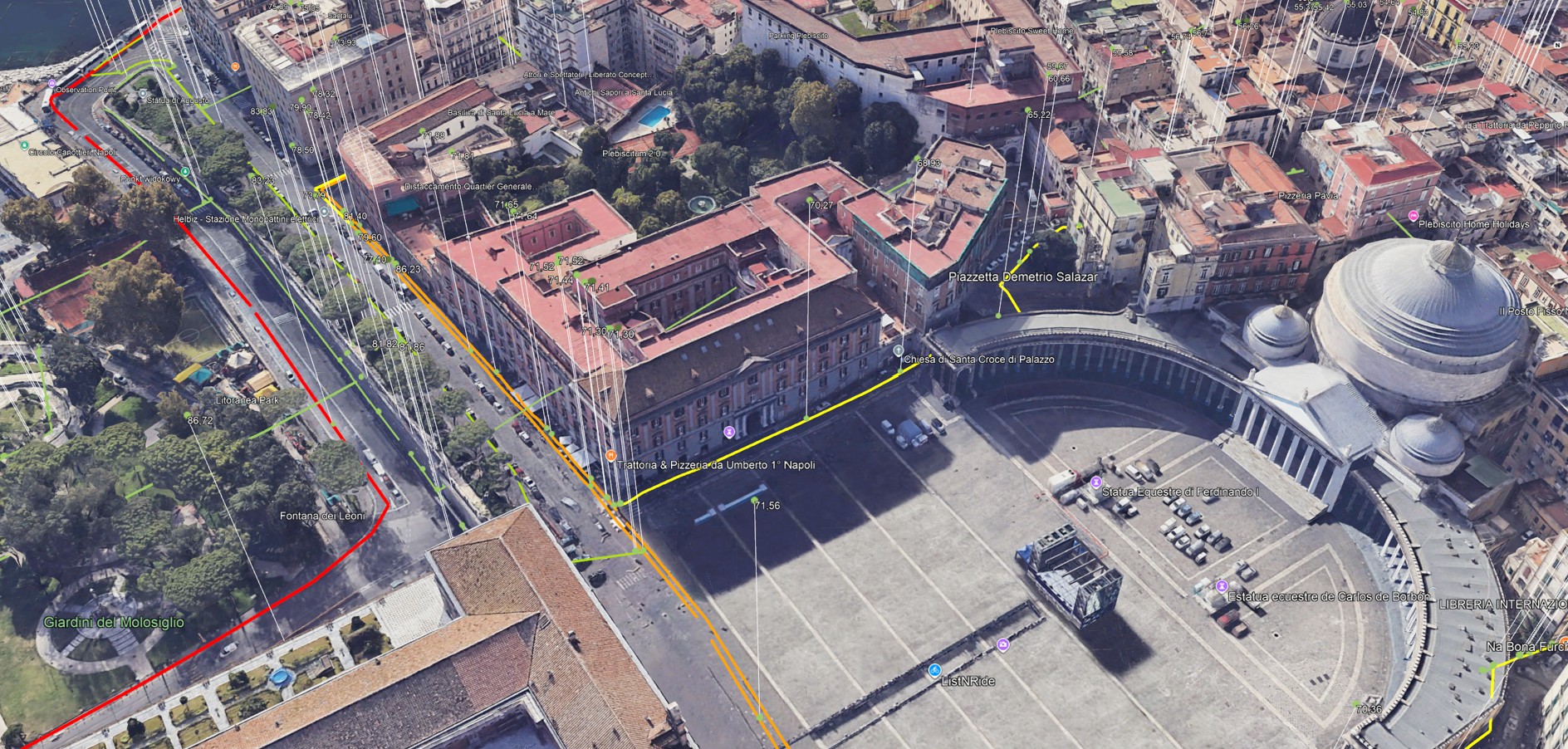
It also allows the reconstruction of past operating conditions for analysis or dispute resolution. Ultimately, the platform supports more strategic, data-driven decisions about where and how to upgrade or maintain the network.
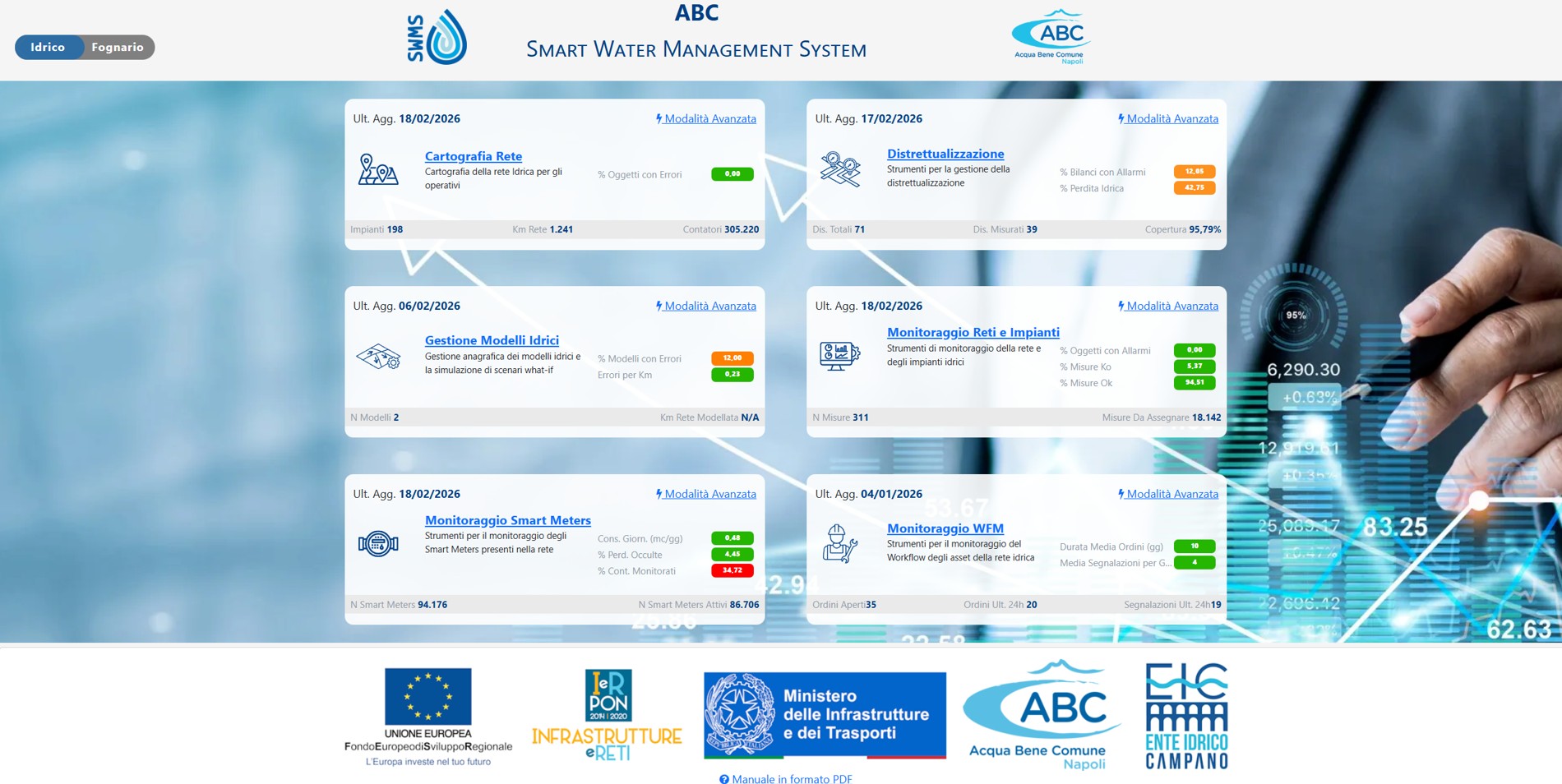
Leakage reduction, which poses a great challenge to all water utilities around the world, is a primary objective. Finding leaks faster will help the company save energy costs and ensure more water reaches consumers. ABC estimates the digital twin could deliver a long-term return on investment of between 21% and 30%, driven primarily by leakage reduction and operational efficiency gains.
ABC estimates the digital twin could deliver a long-term return on investment of between 21% and 30%.
Although the project has only just started, the utility is already seeing early evidence of the impact of the broader digital transformation programme.
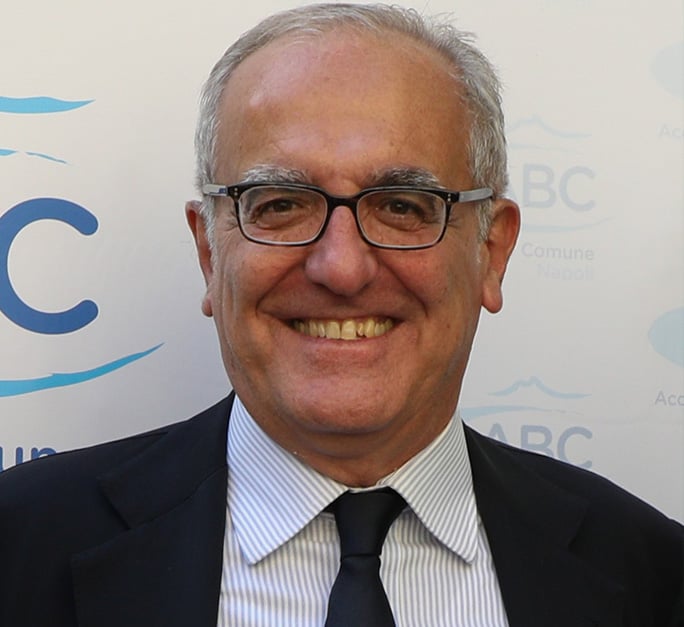
"We have achieved a reduction in minimum night flow greater than 10% in the areas where pressure regulation valves have been installed.”
As ABC builds its new control room and restructures operational roles, the digital twin is becoming more than a technology platform; it is reshaping how one of Europe’s oldest water systems is managed for the future.








Related news
📰 Latest News


🎬 Kurrant Originals
🎥 Recent Event Coverage


Featured Case Studies
Real client work behind the news. Strategy, M&A and engineering projects we've delivered for cities and utilities.