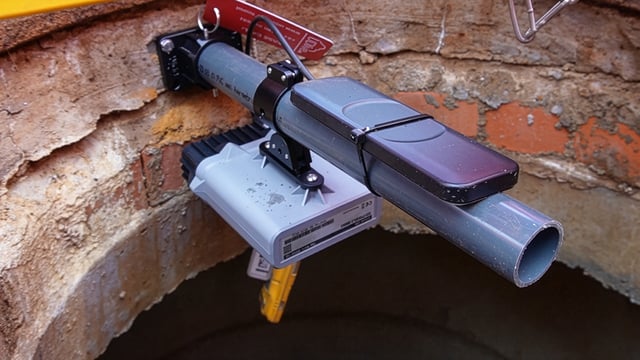
Brent Council has introduced artificial intelligence-enabled surveillance cameras at fly-tipping hotspots across the London borough as part of a broader crackdown on illegal waste disposal. The motion-activated cameras, installed at council-managed estates and other problem locations, use AI to detect suspicious activity and immediately notify an expanded enforcement team, eliminating the need for officers to manually review hours of footage.
A Borough Under Pressure From Illegal Dumping
Brent has long struggled with one of England’s highest rates of illegal waste disposal. The borough recorded 27,023 fly-tipping incidents between April 2023 and March 2024, although that figure represented a 22.4% decline from the previous year. Cleaning up illegally dumped waste costs the local authority more than £1.5 million annually, resources that officials say could otherwise fund frontline public services.
The AI camera deployment is part of the council’s “Don’t Mess with Brent” enforcement campaign, launched in early 2024, which combines expanded patrol teams, higher fixed penalty notices of up to £1,000, and technology-driven surveillance. Since the campaign’s inception, the borough has issued more than 5,700 fines for waste offences in the current year alone, more than double the figure recorded over the same period previously.
How the AI Camera System Works
The cameras are designed to activate automatically upon detecting movement consistent with dumping behaviour, rather than continuously recording. When triggered, the system generates real-time alerts to enforcement officers, providing time-stamped footage that can be used as evidence for issuing fines or pursuing prosecutions. This approach significantly reduces the response time between an offence being committed and enforcement action being initiated.
Early results have been notable. Within a single day of deployment, one camera captured three separate incidents: an abandoned fish tank, cardboard waste left on a pavement, and an individual throwing rubbish across a public footway despite walking toward a nearby bin.
Funding and National Policy Context
Brent was among 26 local authorities across England selected by the Department for Environment, Food and Rural Affairs (Defra) to receive grants of up to £50,000 under the Fly-Tipping Intervention Grant Scheme in 2024. The programme, which allocated nearly £1 million in total, supports councils in deploying CCTV, AI-assisted camera technology, and public awareness campaigns to combat illegal dumping.
The investment aligns with a broader national push. In April 2025, the UK government announced that councils would gain new powers to seize and crush vehicles used by fly-tippers, with offenders facing up to five years in prison under toughened legislation. Brent Council leader Muhammed Butt was among the local authority officials who publicly backed the expanded enforcement powers.
England’s Fly-Tipping Crisis by the Numbers
Freshly released Defra statistics for the 2024/25 reporting year show that English local authorities dealt with 1.26 million fly-tipping incidents, a 9% increase over the prior year and the highest figure since current recording methods were introduced in 2018/19. Household waste accounted for 62% of all incidents, and the largest cases, those equivalent to tipper lorry loads or greater, cost councils £19.3 million to clear.
Enforcement activity is rising in tandem. Local authorities carried out 572,000 enforcement actions in 2024/25, up 8% year-on-year, and issued 69,000 fixed penalty notices, a 9% increase. However, actual court prosecutions have continued to decline, with just 1,250 court fines imposed in the latest year, down 9%, raising questions about whether financial penalties alone are sufficient to deter repeat offenders.
A Growing Trend Across UK Councils
Brent is not alone in turning to AI for waste enforcement. Wolverhampton Council has deployed AI-enabled SMART cameras with 360-degree vision, funded by a separate £49,119 Defra grant, as part of its “Shop a Tipper” campaign. Haringey Council, another London borough, introduced motion-sensitive AI cameras in late 2024 to address aerial fly-tipping from tower blocks, capturing 11 incidents and issuing several £1,000 fines within weeks. Westminster Council has similarly adopted AI-equipped CCTV with automatic number plate recognition to track offending vehicles.
The broader UK market for AI-powered municipal enforcement cameras is expanding as councils seek to reduce the manual burden on enforcement teams while improving evidence quality for prosecutions. Several technology providers operate in this space, including Bi3 with its EnviroEye.AI platform, which combines AI detection with ANPR capabilities, and LitterCam, which has partnered with East Riding of Yorkshire Council on roadside littering trials.
Vendor Identification Remains Unclear
Brent Council has not publicly disclosed the specific technology vendor supplying its AI camera system. The council’s official communications reference the cameras’ motion-detection and alert capabilities but do not identify the manufacturer or software provider. This is not unusual among UK local authorities, many of which procure enforcement technology through competitive tendering processes without publicly naming suppliers in press announcements.
What This Signals for Municipal Waste Enforcement
The deployment in Brent illustrates a broader shift in how English local authorities approach environmental crime. With fly-tipping incidents at record levels nationally and cleanup costs continuing to rise, councils are increasingly adopting technology-driven enforcement strategies that combine AI detection, rapid-deployment cameras, and expanded penalty regimes.
Whether this approach can meaningfully reduce fly-tipping rates, rather than simply improve prosecution efficiency, will depend on factors beyond technology, including the adequacy of household waste collection services, public awareness of legal disposal options, and the deterrent effect of financial penalties that critics argue remain too low relative to the savings offenders gain from illegal dumping.