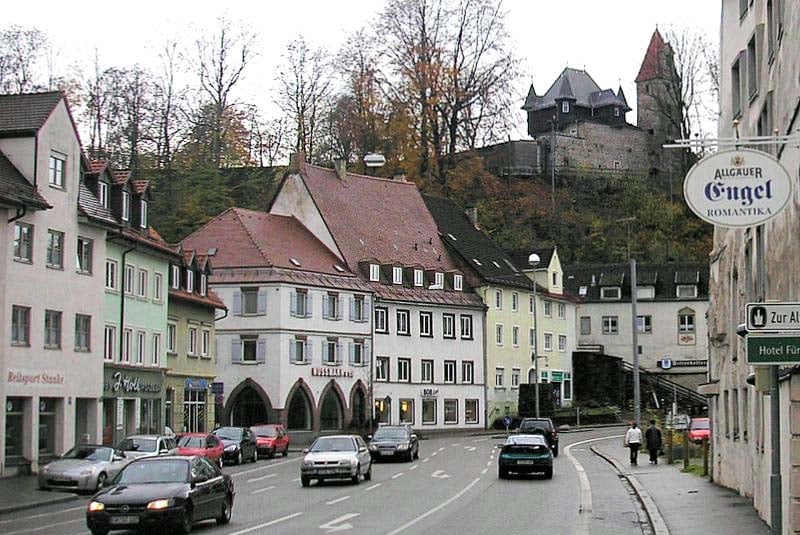
The city of Kempten will allocate €2.51 million in 2026 to advance a broad portfolio of smart city initiatives spanning mobility analytics, environmental monitoring, public information systems, and urban planning. The new package, presented by the city’s Smart City project leadership during budget deliberations, builds on Kempten’s existing digital infrastructure and reflects rising interest from international observers, including stakeholders in China.
Energy Comparison Framework with Academic and Industry Partners
Kempten is advancing a multi-partner energy measurement concept in collaboration with Hochschule Kempten, local housing firms Sozialbau and BSG Kempten, and the Fraunhofer Society. The project will analyze neighborhoods such as Thingers and Parkstadt Engelhalde, generating datasets to inform energy-efficient planning, quantify resource-saving opportunities, and benchmark quality-of-life improvements.
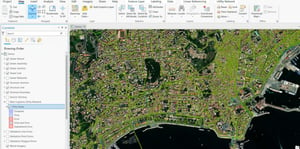
Citywide Sensor Network for Soil Moisture and Urban Green Management
To support climate-resilient planning, the city intends to install soil-moisture sensors at 40 locations. The system integrates with a digital dashboard that alerts the horticultural department when irrigation is needed, reducing unnecessary travel and optimizing green-space maintenance. This approach is increasingly being adopted across German municipalities as part of broader climate-adaptation strategies, though no standardized framework exists, Kempten’s deployment scale aligns with medium-size city benchmarks.
Expanded Traffic Analytics Using Camera-Based Monitoring
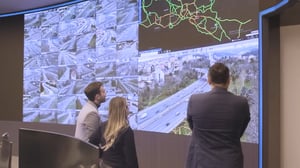
Kempten has already established a citywide traffic analytics platform powered by approximately 40 cameras across more than 20 sites. The system collects 24/7 data on travel flows, origin-destination patterns, parking behaviors, and pedestrian volumes.
License plate recognition (LPR) enables regional origin analysis and supports the development of a high-precision mobility model, including planning for major infrastructure such as the St. Mang Bridge reconstruction. Parking-duration metrics and occupancy patterns also feed into operational decisions for traffic control and enforcement.
The city plans to expand this capability with automated reporting of parking and stopping violations to maintain unobstructed emergency access routes.
Biodiversity and Climate Monitoring Using Live Sensor Data
Additional sensor-driven programs will continue in 2026, including biodiversity monitoring of bats and wild bees and localized climate data acquisition. These datasets will be used to inform environmental planning, species protection, and microclimate adaptation projects.
Deployment of Digital Interactive Steles in Core Districts
One of the largest visible components of the 2026 program is the installation of 13 digital interactive steles scheduled for deployment by summer 2026. The devices—planned for high-traffic zones in the city center and select districts, will provide dynamic event information, cultural and historical content, and city service updates.