The Ayuntamiento de Galapagar, a municipality of approximately 34,000 residents northwest of Madrid, has approved a comprehensive street lighting modernization project for its El Guijo residential area, allocating close to €2.9 million to replace a network that has been in service for more than 25 years.
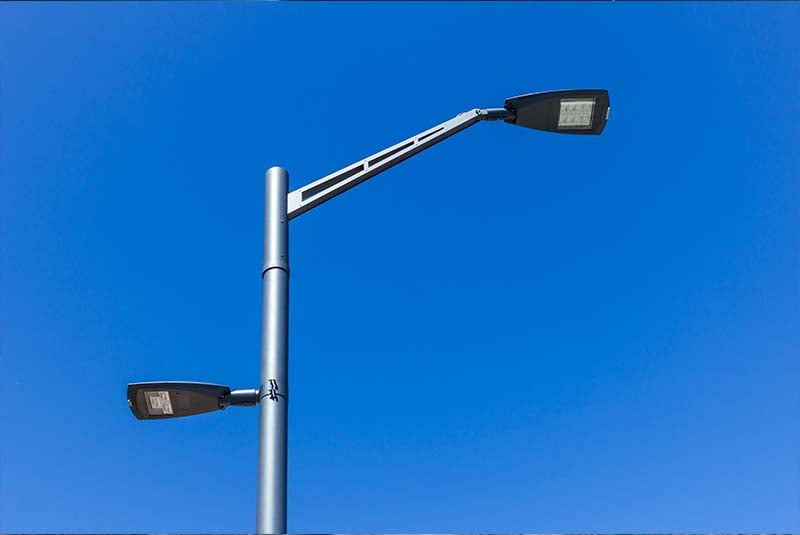
The project will see all 532 existing luminaires replaced with high-efficiency LED fixtures, alongside the full renewal of electrical control panels, underground conduits, and support structures. Critically, the scope extends beyond a simple lamp swap: the municipality will deploy remote management (telegestión) systems and install solar-powered luminaires at select locations, embedding a layer of digital infrastructure into what has historically been a conventional lighting network.
A Quarter-Century of Deterioration Prompts Full-Scale Intervention
El Guijo’s lighting grid has experienced a steady rise in outages and technical faults in recent years, a common pattern across Spain’s suburban residential developments built during the construction boom of the late 1990s and early 2000s. The municipality’s decision to pursue a full infrastructure replacement rather than incremental repairs signals the severity of the degradation and the long-term cost calculus that favors a complete overhaul.
Beyond the lighting hardware itself, the project encompasses the renovation of sidewalks in all intervention zones, improvements to accessibility compliance, and the installation of new urban furniture including benches and waste receptacles. This bundled approach to street-level infrastructure is increasingly standard practice in Spanish municipal procurement, where coordinated civil works reduce the total disruption to residents.
Remote Management Adds a Smart Infrastructure Layer
The inclusion of telegestión capabilities is a notable element of the project. Remote management systems allow municipalities to monitor individual luminaire performance in real time, detect faults automatically, schedule dimming profiles, and collect granular energy consumption data. For a network of 532 fixtures, this translates into measurable reductions in both electricity costs and maintenance response times.
Spain’s Instituto para la Diversificación y Ahorro de la Energía (IDAE) has been actively promoting telegestión as part of publicly funded LED retrofit programs, with eligible projects covering the installation of centralized remote control and intelligent lighting automation. Spanish municipalities across the country, from Valencia’s partnership with Schreder to retrofit 90% of its fixtures to smaller-scale projects in towns like Huesca and Viladecans, are increasingly treating LED conversion as the entry point for broader smart city infrastructure rather than an end in itself. The TALQ Consortium’s recently updated Protocol 2.7.0, which tightens interoperability between device-level control standards and network management software, reflects the growing maturity of this market.
Phased Rollout Targets July Start
Following the project’s approval, Galapagar will open a public procurement process to select the contractor. Construction is expected to begin in July 2026, with execution planned across multiple phases over approximately 15 months. The phasing strategy will prioritize zones with the highest frequency of reported incidents, a pragmatic approach that ensures the most affected residents see results earliest.
The vendor or vendors for the LED fixtures, remote management platform, and solar luminaires have not yet been identified, as the tender process has not been launched at the time of this reporting.
Spain’s Municipal Lighting Transition Gathers Pace
Galapagar’s project sits within a broader national pattern of municipal lighting modernization. Spain’s energy efficiency subsidy programs, many funded through the NextGenerationEU recovery mechanism, have enabled hundreds of municipalities to finance full LED conversions at reduced or zero cost. SECE, one of Spain’s major lighting service providers, reported upgrading more than 150,000 public lighting points to LED technology in a single 12-month period through 2025.
The scale of Galapagar’s investment, at nearly €2.9 million for 532 luminaires, places the per-unit cost in a range consistent with projects that include not just lamp replacement but also full infrastructure renewal (conduits, panels, supports, civil works, and remote management). Comparable European projects such as Castel Guelfo’s €1.7 million upgrade of 1,074 fixtures in Italy demonstrate how the inclusion of remote monitoring, AI-based predictive maintenance, and ancillary improvements like video surveillance can significantly increase the total project envelope beyond a basic LED swap.