 in Barcelona
 3 to 5 Nov 2026
In previous videos we spoke of cities like Stockholm or Las Vegas turning to digital twins to better understand their needs. Since then we've seen the hype for this type of solution increase, especially at the Smart City Expo. We've even seen how water management companies like Global Omnium have found an interesting investment in digital twins. But it is a very What we see is quite wide concerning definition and application. So even though it's not a new concept, as for years it's been used to conduct product simulation in manufacturing, helping vendors save millions of dollars, a lot of people still have a basic question. What is a digital twin? According to Paolo Nessi, who's overlooking the digital twin in Florence with data on traffic and people flow, structures and pollutants among other information. when it comes to cities. What we intend of Digital Twin is a comprehensive model that includes a three-dimensional representation of the whole city, in this case with each single building that can be interacted with, you can attach to the 3D representation any real -time data or information. After various conversations we identified three main types. of outcomes that digital twins can have help urban planning decisions foster stakeholder participation and maintenance optimization there are also many use cases for digital twins any type of management whether water infrastructure waste or mobility can benefit from a digital twin So, Serradale is a company who has started in the telecom sector and has started to create a digital twin dedicated to this sector and 10 years ago we have started to work on Smart City, it's a smart city, you know… to address multiple study case which can be a based on a digital twin so it means that we produce data we create modelization and simulation in order to answer multiple aspect of the city like climate change, environment, life quality and economic activity. Supporting urban planning to provide data as input to the plans. possibilities to use the digital twin to query and do analysis for the planning for example the site analysis and also shadow analysis you need to have a 3d representation otherwise you will not be able to evaluate but also the engagement with the citizens there are also very specific use cases of digital twins one example of this is the Hungarian company Grijil which has focused on producing 3D representations of city trees. One of the company's clients is Singapore where they have created a digital twin of three million trees. We create a very detailed digital twin of each tree in a city so we find the position, the species, all the medical data and also we calculate for example the safety of a tree, we analyze the health status of a person. a tree and we also calculate the benefits of a tree so how much is a special tree reducing for example the temperature in its environment so by understanding and monitoring each tree in a city city management so politicians but also urban planners can basically plan for a greener and better future for the citizens the company's business model is based on a subscription fee in which the city pays one euro per year per tree. They claim they can process 50 ,000 trees per day with their equipment. To create a digital twin, companies can use lidars, satellites, cameras or sensors to gather the data. The devices are usually mounted on cars or fixed on poles, but Hayden AI, which has a focus on mobility, has partnered up with cities like Oakland or New York and uses their public transport to gather the information. with all this technology bringing such detailed information of a city to digital world cyber security threats are a worry and companies have had to adapt to this reality for example now we do a big project in singapore where we are not allowed to take out any data from singapore we're even not allowed where the rooms where we process the data are not connected to the internet so we really go there physically put our hard disk in and take the data physically out of those rooms the world of digital twins can seem expensive But according to vendors, all city sizes can afford the solution. For example, Snap4City's digital twin of the city of Florence costs under €50 ,000. You can start with a simple 3D digital twin with extruded building and then you can use the automap from satellite that is free to add realism to the... the city and you and you can add the high valuable building for instance with a with the sam scanner specifically we we package many solutions ready to go regarding italians regarding many many thematics and you are able to deploy that in very quick way we speak about few few k to deploy this so this is definitely accessible our smallest customer is a city in austria leo buddh with 12 000 trees our largest customer is singapore with 3 million trees so we really cover a broad spectrum of clients it's a cloud -based scalable solution so we actually have customers down to 10 000 citizens up to kind of million citizen customers so with the cloud structure it's easy to deploy no installation that's a trend it's just to start working immediately with your existing data. The benefits of having a digital twin are many, but they are still limited and the focus is sometimes shifted to aspects that still don't fit in today's world. Like the metaverse, Bentley, which has been working on a digital twin for the Siemenstadt district in Berlin to help with urban planning and city operations, has previously implemented digital twin projects in Stockholm and Gothenburg, aiming at fostering stakeholder engagement. Today, they're even going as far as exploring some aspects of the metaverse, but they believe that sometimes it is used in cases it shouldn't be applied to. Yeah, I mean, definitely, VR and AR, it's commonly used in applications. Personally, I think it needs to be… sometimes it's pushed to applications that are maybe not viable for widespread use, for example. it certainly has very good potential and a lot of value for it for some specific applications. We're yet to see what happens with this type of technology and whether the Digital Twin hype will continue to grow. But stay tuned for more Digital Twin news. In the upcoming weeks we will bring you the story of how Game Engine Unity has entered the world of smart cities and their work with the city of Orlando, here on Current Insights.
Originals Smart City Platforms
Digital Twins for Cities: From Hype to Reality?
Digital twinsSmart City Platforms
In this video
-
 Paolo Nesi
Coordinator, Snap4City
-
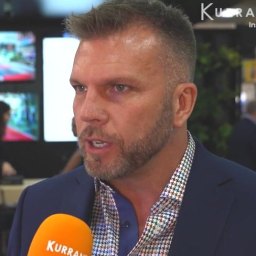 Chris Carson
Founder, CEO, HaydenAI
-
 Jeremy Lefrere
Head of Smart City Programs, Siradel
-
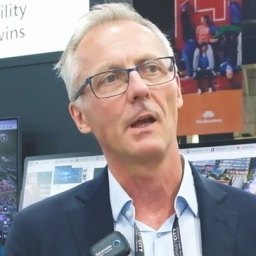 Hakan Engman
Business Development Director, Bentley
-
 Gabor Goertz
Co-founder, CEO, Greehill
About this video
In our exploration of urban innovation, we've examined how cities like Stockholm and Las Vegas are leveraging digital twins to enhance their urban planning and management. The concept of a digital twin, although not new, has garnered increasing attention, particularly at events like the Smart City Expo World Congress. However, the term 'digital twin' encompasses a broad spectrum of definitions and applications, making it a topic of ongoing discussion and curiosity.
In this video, we delve into the fundamental question that many still ponder: What exactly is a digital twin in the context of urban environments? To shed light on this, we're joined by Paolo Nesi of Snap4City, Chris Carson of HaydenAI, Jeremy Lefrere of Siradel, Hakan Engman of Bentley, Gabor Goertz of Greehill. These industry leaders will help us understand the essence of a digital twin, explore its diverse use cases, and discuss its feasibility for cities of varying sizes.
Our conversation will navigate the intricacies of this technology, from its basic definition to its practical applications. We'll explore how digital twins can provide cities with detailed simulations, offering insights into urban dynamics and helping in decision-making processes. The experts will also address concerns about the affordability and scalability of such solutions, making this discussion relevant to cities regardless of their size.
By bringing together voices from different companies and perspectives, we aim to provide a comprehensive view of the digital twin concept in urban contexts. Whether you're a city planner, a technology enthusiast, or simply curious about the future of urban development, this video offers valuable insights into how digital twins are shaping the cities of tomorrow.
Join us for an informative session on the role and potential of digital twins in urban development, and gain a clearer understanding of how this technology can be adapted to suit various urban needs and scales.
Read the transcript machine-generated
More in Smart City Platforms
See all 8:30
Digital Twins: Key tool to make utilities more resilient, efficient?
 7:18
Analyzing a Smart City Startup Series B Funding Round Success
 7:03
How a Game Engine is Powering Orlando’s Digital Twin
 9:12
Urban Digital Twins Hype Becomes Reality
 7:37
Las Vegas City’s Digital Twin Deployment Challenges Explained
 5:39
Founder’s Journey: How An Architect Built A Digital Twin Business
Latest news in smart city platforms
All news- Dubai’s Moro Hub Partners With ThingsBoard To Host Government IoT Applications On Moro Cloud25 Oct 2026
- Barbados Government Explores Urban Hypervisor Platform Modelled On Brazilian System18 Oct 2026
- Oviedo Council and Telefónica Deploy Smart Tourism Platform for Camino Primitivo17 Jul 2026
- Greek Private Equity Moves Into Municipal Technology With IoT Operator26 Jun 2026
Kurrant advisory
Planning a smart city platforms project? Talk to Kurrant.
Behind these interviews is Kurrant's advisory team, working with utilities, cities and the companies that serve them.
- Strategy AdvisoryKurrant is actively involved in resolving the challenges that cities, utilities and industry players are facing.
- M&A AdvisorySmart city and utility expertise for successful deals, turning insights into strategic gains.
- Engineering & ProcurementBetter engineering and procurement decisions, by identifying and developing digital and IoT solutions across use cases.
Or write to us: contact@kurrant.com
Send us a message