 in Barcelona
 3 to 5 Nov 2026
the UK water market consists of some 20 utilities all private that are regulated by several organizations like off what consumer council for water and the environmental agency among others right in the heart of the UK we can find seven Trent who serves some four million properties they cover all aspects of the water process, from catchment to treatment, transport, billing and waste We've come to the 7Trent headquarters in Coventry to learn more about the utility and their deployment of smart water meters. Like with many other water utilities, 7Trent faces challenges. Aging infrastructure is a challenge for all water companies in the UK and actually to a certain extent. smart technology is also helping us with that because it helps us understand where assets are about to default and where we may need to go and fix things faster. I think the biggest challenges and more specifically for the programme of work that we're doing is all around water demand essentially, so we're looking at how much water is lost through leakage, how much water is used per household, what we call per capita consumption and we understand that at a granular level and smart technology is helping us to do that we need to be able to respond faster to when leaks occur that need to find leaks faster is what brought the company to deploy an ami project in the coventry warwickshire area which at the time became the first large -scale laurawan deployment in the uk with a plan to connect 157 000 smart meters we covered the story September of 2022 when the company had 60 ,000 smart meters in the field. Now they have deployed some 70 ,000. So from an IoT perspective we're working with Connexin so they've essentially built us a LoRaWAN network data communications network across commentary and they've recently started in the sort of wider Warwickshire area and from a meter perspective we're using the i-Tron Aquadis Plus so that's it. the hardware that sends information to the connection gateways in order for us to analyze that information so that that data is passed encrypted into a MESA data management system called Tometra and ultimately we use Tometra to interrogate some aspects of the data but we also take that data and put it into our Azure data cloud which allows us to get much more insight into that and we also can bring data sources together the project has been active for a year in which the main focus has been household consumption and leaks which before on average anthony told us would take 250 days to find but now one to three days as the meters collect hourly data this is helping the company save water leave behind the manual reads that consumed resources and therefore save money but they're still learning to do for the upcoming phases. Treating less water and transporting less water means less cost for us, and ultimately that's, you know, the same for customers as well. It helps us keep the bills low across the UK. We've had several instances where, you know, customers have leakage on their property that they're completely unaware of, and lots of water's been lost and potentially damaging the property, and we've been able to make. customers are aware of that within days really. We've done that initial analysis and we've learned a lot in terms of leakage and consumption behaviour, but I think we need to take that really to the next level so it's starting to understand how can we use this information for us to better predict when leakage may occur or where it may occur or what customers are typically impacted by leakage as well as leakage within our network. One of the things we'll be focused on is how do we get um greater density within what we call a dma so a district metered area how do we really truly understand what's going into our dmas or our grid if you like severin trent is also considering how to leverage such a large infrastructure for other smart city initiatives yeah so we use there's lots of loggers digital loggers out in the field for wastewater for sewer overflows for river quality tea lots of different loggers that we use out there and one of the things we're actually looking at from a program perspective is you know how can we utilize the network that we've created with with connection you know for other aspects of the business i mean there's there's a massive number of use cases so within seven trent water itself we've got a number of use cases such as water quality sensors proactive maintenance on pumps we look at kiosk sensors various different use cases in and around gullies so gully flooding weather stations flood monitoring and combining those data sets is the most powerful outcome i know that coventry city council are interested in looking at how they can utilize the network such as you know traffic management smart traffic lights things like that and and and equally as well you know seven trent have lots of proper across our region as well so you know how can we potentially make some of those buildings smarter so we use potentially less energy. When it comes to the choice of connectivity Connexin which have run tests with NBIOT have strongly positioned themselves with LoRaWAN for these use cases a connectivity that we've seen dominate smart water solutions. There have been rumours in the UK that Vodafone and BT might exit the smart water market leaving more for private IoT networks like Connexin with its LoRaWAN offering. Connexin told us why they believe LoRaWAN and use case -driven networks are gaining traction. You've got a challenge with water, with water metering specifically in the UK. You put meters in the ground, put a metal or plastic lid on the top, fill it with water and then expect signal propagation to come out. So LoRaWAN has the capability of doing that because it's a low range. wide area network that can get that signal propagation up to a gateway albeit in our situation we installed in various locations including streetlights geolocated closely to these meters so the flexibility and agility of the the technology itself combined with the challenges that we see within water metering there are so many different use cases in LoRaWAN when we talk open protocol LoRaWAN comes into its own you can connect thousands of different senses to the same network infrastructure and the advantage of that is you build your infrastructure and then you can upsell the different opportunities and different sales verticals so for example gas electricity heat water more wide scale then we've got buildings councils so smart cities we'll let you know how this project evolves and how the connectivity side of the smart city industry develops so don't forget to follow up on current insights if you want more stories like this one.
Originals Meet the utilities Water
Severn Trent’s Water AMI May Lead to More Connected Solutions
ConnectivityLoRaWANMeet the utilitiesSmart meteringWater
In this video
-
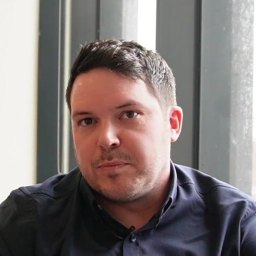 Anthony Hickinbottom
Project Manager, Severn Trent
-
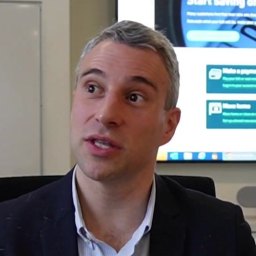 Dan Preece
VP IoT, Connexin
About this video
In our latest video, we delve into the innovative collaboration between UK water utility Severn Trent and technology partner Connexin. This partnership marked a significant milestone in the UK's utility sector with the initiation of an Advanced Metering Infrastructure (AMI) project in the Coventry-Warwickshire area. Notably, this initiative was recognized as the first extensive LoRaWan deployment in the UK. The project ambitiously aims to connect 157,000 smart meters, enhancing the way water usage is monitored and managed.
Our discussion features insights from Anthony Hickinbottom, a project manager at Severn Trent, and Dan Preece, VP of IoT at Connexin. They provide an in-depth look at the current water market in the UK. The conversation sheds light on the ongoing progress of the smart water meter deployment, offering a glimpse into the challenges and successes encountered thus far.
Furthermore, this video explores the future prospects of this project. We delve into the potential expansions and advancements that could stem from this endeavor. The discussion also covers the broader implications of the LoRaWAN network, examining how this technology could be utilized for other innovative projects beyond water management.
This project is not just about implementing new technology; it's about a transformative approach to resource management. The deployment of smart meters represents a significant step forward in efficient water usage, leak detection, and conservation efforts. As we navigate through the conversation, the strategic importance of this project in terms of environmental sustainability and resource optimization becomes increasingly evident.
Join us as we uncover the intricate details of this project. From technical aspects to strategic planning, this video offers a comprehensive overview of a major leap in the UK's water management system. Whether you're a professional in the utility sector, a technology enthusiast, or someone interested in environmental sustainability, this video provides valuable insights into the future of resource management.
Read the transcript machine-generated
More from Meet the utilities
See all


More in Water
See all 5:56
Kansas City Water Turns Fire Hydrants Into Leak Finders
 6:34
AI Set to Change Water Plant Operations
 7:03
UK Turns to Digital to Monitor Wastewater Network
 6:24
How a London Borough is Using IoT to Curb Urban Flooding
 6:49
Data Sharing Enhances AMI Rollout for Cities, Utilities, Customers
 6:20
Using GeoAI to Calculate Wastewater Taxes in Cologne
Latest news in water
All news- Ameresco Completes $5.9M Water Metering Upgrade Covering 8,000 Meters In Mustang, Oklahoma29 Oct 2026
- Houston City Council Raises Sensus Water Meter Contract Ceiling To $43.5M27 Oct 2026
- Riba-roja del Túria Pilots Four Grades Of Reclaimed Water Under €10M CircSyst Project27 Oct 2026
- Saanich Starts Five-Year Upgrade Of Water Meter Reading Equipment At 30,000 Properties25 Oct 2026
Kurrant advisory
Planning a water project? Talk to Kurrant.
Behind these interviews is Kurrant's advisory team, working with utilities, cities and the companies that serve them.
- Strategy AdvisoryKurrant is actively involved in resolving the challenges that cities, utilities and industry players are facing.
- M&A AdvisorySmart city and utility expertise for successful deals, turning insights into strategic gains.
- Engineering & ProcurementBetter engineering and procurement decisions, by identifying and developing digital and IoT solutions across use cases.
Or write to us: contact@kurrant.com
Send us a message