 in Barcelona
 3 to 5 Nov 2026
Hi everybody, I'm Diana Blass with Current Insights at the Smart City Expo in Barcelona. A big topic we're digging into this week, what is the role of telecoms in a smart city world? Well, earlier we spoke to a company who's revolutionizing the way that smart city applications get their connectivity. Listen to this. Traditional connectivity. not IoT connectivity so the traditional connectivity player is playing a different game and for the majority of traditional connectivity players IoT is still a little crumbled sometimes it's less than 10% of their yearly revenues so what they do what they plan what they develop is not aimed for IoT only so I'm Luigi Capobianco I'm the vice president of SAITS for southern and Western Europe for once so once is IOT operator, it's the first IOT cellular operator in Europe. We are partnered with Deutsche Telekom, so with T -Mobile. You pay us as you are buying a component, so you pay up front and everything is included for 10 years. For example, let's say you are in the smart city, right, and you install parking monitoring devices, all right? So each parking monitor device, can have his own connectivity, his own SIM card, right? So today what you need to do is buy a SIM card through a contract, put it in this device, install the device and every month you need to pay one euro, two euro, whatever. In our case you build your own sensor, you buy our connectivity as you buy the 2G modem or the Narrowband modem. You pay 10 euros, you plug it in your device, install the device and you forget about it. Now here at the Smart City Expo we actually spoke with a company who has partnered with ONCE for its connectivity solutions, Urban Control is using ONCE to power its smart streetlight solution. I mean, we are launching a new device, our newest streetlighting controller, which is a low -power cellular device, which takes the advantage of the cellular network infrastructure out there, everywhere around the world. For these kind of solutions, where you want to low data rate but also at the lowest cost once provides this I think it's totally disruptive way of managing their partners and customers which is providing a flat rate over ten years besides all the functionalities besides where portal the API's the service customer support it comes as IDC says telecoms are part of the solution They're not actually, I mean, they're a point solution within it. And as I said, there's so much hype around the 5G and I have great difficulty finding real examples of where 5G is actually working. 5G is not really business-ready, I would say, but it's definitely something we're aiming to and what we think would improve our business through 5G is not only selling 5G connectivity, but also helping companies understand how should I use 5G? should I do I need 5G or can I use now but can I actually use 4G right that's also our job I mean I think that's an interesting next question then what are the applications that companies should be thinking about with 5G so within the smart city for example definitely V2X and also vehicle to everything smart lighting adaptive lighting they don't really need 5G but because the frequency at which they need to communicate is not that high all the waste management it's very fine with 4g in some countries is very fine with 2g all the water metering they use narrowband now narrowband is made for these things all the micro mobility for example they can easily use 4g for example right 5g it's it's going to be using all these applications that need to react quicker than our brain 5g might enable more might enable more sensors deployed which means more data and enriching the number of sensors means even more data, qualifiable data. So for me 5G can really enable in that sense in reaching the last mile even better and connecting sensor where as of today is not convenient. But will telecoms play a role in deploying that 5G? From our investigation at the Smart City Expo, it's it seems they have some competition. For more coverage from the Smart City Expo, be sure to stick with Current Insights. Till next time, I'm Diana Blass.
Telecoms Take a Backseat, 5G Hype Fades
In this video
-
 Luigi Capobianco
VP Sales Southern & Western Europe, 1NCE
-
 Miguel Lira
Director, Innovation & Development, Urban Control Limited
-
 Joe Dignan
Head of Government Insights Europe, IDC
-
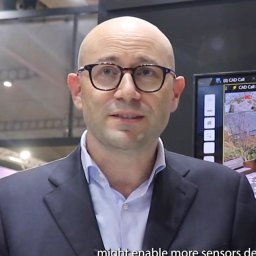 Andrea Sorri
Segment Development Mgr Smart Cities EMEA, Axis Communications
About this video
This special report from the Smart City Expo World Congress in Barcelona provides a comprehensive look at the evolving connectivity market and its impacts on smart cities. The video features insights from key industry figures such as Luigi Capobianco, VP Sales Southern & Western Europe at 1NCE, Miguel Lira, Director Innovation & Development at Urban Control, Joe Dignan, Head of Government Insights Europe at IDC, and Andrea Sorri, Segment Development Manager Smart Cities EMEA at Axis Communications.
The discussion centers on how new entrants in the connectivity market are disrupting traditional pricing models, offering more cost-effective and flexible solutions. This shift is creating new value propositions for smart cities, challenging the existing telecom industry norms. The experts explore the practical implications of these changes, highlighting how enhanced connectivity is enabling smarter, more efficient urban management and improved citizen services.
Another key focus is the tempered enthusiasm around 5G technology. Initially heralded as a game-changer for smart city applications, there's now a more nuanced understanding of its capabilities and limitations. The experts emphasize the importance of a balanced approach to adopting 5G and other connectivity technologies, ensuring they align with the specific needs and goals of smart city projects.
The video also addresses the broader strategic responses required from telecom companies in light of these market dynamics. It examines how these companies are adapting their approaches to stay relevant and competitive in the rapidly evolving smart city landscape.
This video is highly recommended for stakeholders in the smart city and telecommunications sectors, including urban planners, technology strategists, and government officials. It provides valuable insights into the changing connectivity market and its implications for smart city development. The expertise shared by leaders from 1NCE, Urban Control, IDC, and Axis Communications offers a well-rounded perspective on how to navigate these changes and leverage new opportunities in the smart city domain.
Read the transcript machine-generated
Latest Originals
See all 4:45
AI Agents in Digital Twins: Bringing Promises to Life?
 5:57
Nature as a Sensor: Rethinking Smart Cities, Utilities
 2:57
Audio, the Forbidden Fruit of Smart Cities in France
 2:56
Why did the metaverse fail?
 4:54
High-resolution, Predictive Weather Data: The Next Step for Mobility
 5:20
The State of the Smart Traffic Industry in 2026
Latest news
All news- Bryan Texas Utilities To Replace 50,000 Smart Meters Over Five Years29 Oct 2026
- UK National Parks Launch Wildfire Resilience Programme In Cairngorms29 Oct 2026
- Ameresco Completes $5.9M Water Metering Upgrade Covering 8,000 Meters In Mustang, Oklahoma29 Oct 2026
- Victoria Adds 11 AI Bushfire Cameras To Seven-Unit Plantation Network In A$3.8M Programme29 Oct 2026
Kurrant advisory
Planning a smart city or utility project? Talk to Kurrant.
Behind these interviews is Kurrant's advisory team, working with utilities, cities and the companies that serve them.
- Strategy AdvisoryKurrant is actively involved in resolving the challenges that cities, utilities and industry players are facing.
- M&A AdvisorySmart city and utility expertise for successful deals, turning insights into strategic gains.
- Engineering & ProcurementBetter engineering and procurement decisions, by identifying and developing digital and IoT solutions across use cases.
Or write to us: contact@kurrant.com
Send us a message