in Barcelona
 3 to 5 Nov 2026
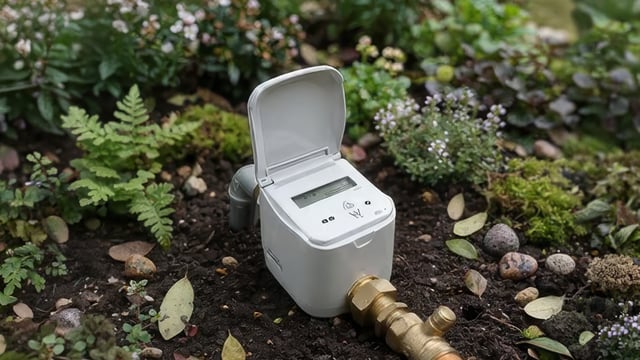
The Nicosia District Local Government Organisation (NDLGO) has signed a €6.5 million agreement with state-owned Cyta to install 72,000 smart water meters across the district, marking the largest single deployment phase in the island’s multi-year push to digitise its water infrastructure. The deal is co-financed by the European Union through Cyprus’s Thaleia 2021-2027 cohesion policy programme.
A Phased Rollout With Urban and Rural Reach
The first batch of devices is scheduled for delivery in August 2026, with the full consignment to follow in eight successive batches of 9,000 units. Priority installation areas include the high-density suburbs of Lakatamia and Strovolos, central Nicosia, and several rural communities including Lythrodontas. Kato Pyrgos, a remote coastal village, has also been included on account of the practical difficulties of sending field crews for physical readings in isolated locations.
The phased delivery structure reflects lessons from a pilot programme in Nicosia’s historic old city, where a test cohort of 3,636 meters was used to evaluate two competing connectivity approaches: LoRaWAN via the Smart Nicosia platform, and NB-IoT. The NDLGO has since selected one of the two technologies to proceed with at scale, though officials have not publicly disclosed which was chosen.
This project is heading to tender
New smart water tenders worldwide, flagged daily with an AI summary.
From Bimonthly Checks to Daily Remote Monitoring
The new meters will replace a manual reading regime currently carried out every two months. Once operational, each device will transmit consumption data daily without the need for a field visit, providing authorities with a granular view of demand patterns and anomalies across the network. Residents will also gain access to a dedicated mobile application for real-time monitoring of their own consumption.
The operational case for the upgrade rests significantly on leak detection. A pilot deployment in Nicosia’s old town identified savings of 1,800 cubic metres of water every fortnight through early leak detection alone, a figure cited by NDLGO chairman Constantinos Yiorkadjis. The ability to pinpoint supply-side leaks rapidly is a critical concern in Cyprus, where the national audit office found that nearly 30 per cent of the island’s total water supply went unmetered and effectively unaccounted for between 2021 and 2023, at an estimated cost to consumers of €13 million per year.
Phase One in a Longer Buildout Toward 150,000 Units
The 72,000-unit contract is the first phase of a broader ambition to replace every conventional meter across the district. According to statements made by Yiorkadjis in December 2025, the NDLGO’s target is to equip all 150,000 households in the Nicosia district with connected water monitoring devices by 2029. That longer-term rollout schedule extends the delivery horizon beyond the current agreement, with 36,000 units expected in 2026 and the remaining 36,000 in 2027.
Cyta, the national telecommunications authority, is serving as technology delivery partner. The pairing follows a precedent established when Cyta was contracted alongside the Electricity Authority of Cyprus (EAC) for a separate €50 million project to deploy 400,000 smart electricity meters across the island. That agreement required a legislative amendment in 2024 after an administrative court ruled that smart metering fell outside Cyta’s original statutory scope. Parliament subsequently expanded the authority’s permitted activities to cover infrastructure projects that make use of its technical capabilities, clearing the way for both contracts.
The meters used in the Nicosia pilot were Diehl Metering‘s Hydrus ultrasonic devices. It has not been confirmed whether the same hardware specification will apply to the 72,000-unit rollout.
Water Scarcity and the Digital Imperative
Cyprus’s water challenge is structural. The island is classified as water-stressed under EU assessments, and demand management through metering modernisation has become a national policy priority tied in part to access to EU cohesion and recovery funding. The Thaleia programme, which is co-financing this deployment, is Cyprus’s main vehicle for European structural investment in the current programming period.
The Nicosia project sits within a wider regional pattern of municipalities coupling smart water metering with mobile-accessible platforms. Across Europe and beyond, utilities are increasingly standardising on Advanced Metering Infrastructure that supports daily or sub-daily readings, leak alerts, and customer-facing consumption dashboards, moving away from periodic manual field operations that obscure consumption anomalies for weeks at a time.