The Ayuntamiento de Murcia has awarded a €1.9 million contract to Andalusian technology firm Innovasur (Innovaciones Tecnológicas del Sur) to design and develop the municipality’s next smart city platform, a system that will bridge urban management and tourism services through sensor networks, artificial intelligence, and interoperable data infrastructure.
The contract, valued at €1,905,050 including VAT, falls under Murcia’s participation in Spain’s national Smart Destination Platform (PID) programme. The city secured the highest score nationwide in the PID competitive application process, earning 94.9 out of 100 points and unlocking access to a grant exceeding €5 million from the Recovery, Transformation and Resilience Plan, funded by European Next Generation EU resources and managed by the Ministry of Industry and Tourism.
Why Murcia’s Top PID Score Matters for Spanish Smart Tourism
Spain’s PID initiative, coordinated by Segittur (the state agency for tourism innovation under the Secretary of State for Tourism), is a €130 million programme that aims to create a shared digital ecosystem connecting tourism destinations, companies, and public administrations across the country. A total of 46 destinations have received approximately €94 million through the programme to date, but Murcia’s near-perfect evaluation score places it at the front of that cohort.
The distinction carries practical weight. Higher scores in Spain’s competitive grant processes typically translate into larger funding allocations, and Murcia’s €5 million-plus grant reflects a national assessment that the city’s proposal presented one of the most technically comprehensive and strategically aligned bids in the programme.
Connecting MiMurcia to Regional and National Data Networks
At the technical core of the project is the integration of Murcia’s existing MiMurcia smart city platform with both the Comunidad Autónoma de la Región de Murcia (CARM) Smart Region platform and the central node of Segittur’s PID.
MiMurcia, originally developed through a €8 million Red.es smart cities programme and deployed alongside the city’s Centro Único de Seguimiento (CEUS) operations centre, already collects real-time data from hundreds of sensors and intelligent systems covering traffic conditions, parking availability, air quality, public lighting, and irrigation. The new platform will extend that infrastructure by enabling interoperability between municipal urban management data and regional tourism intelligence systems.
The project also includes the deployment of new technological infrastructure to integrate and analyse information from multiple city domains, creating what the municipality describes as a unified data layer across urban services and visitor-facing applications.
Sensor Deployments and AI Systems Across Urban Services
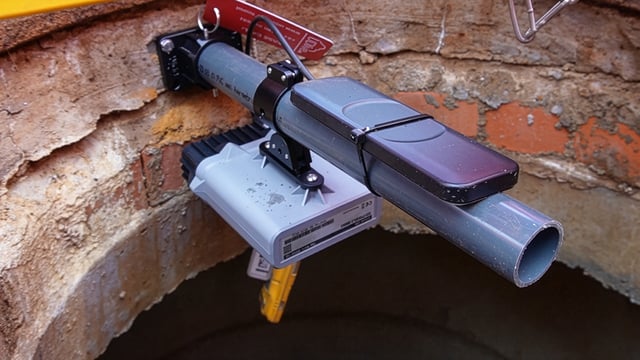
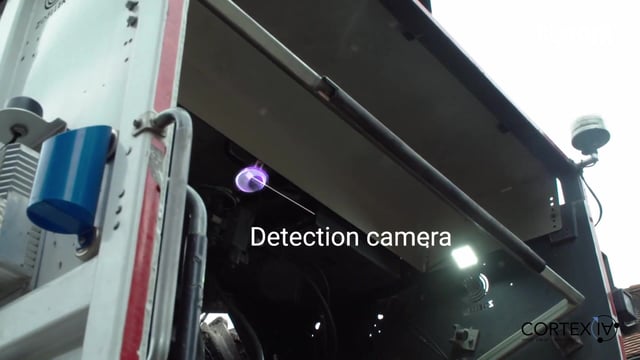
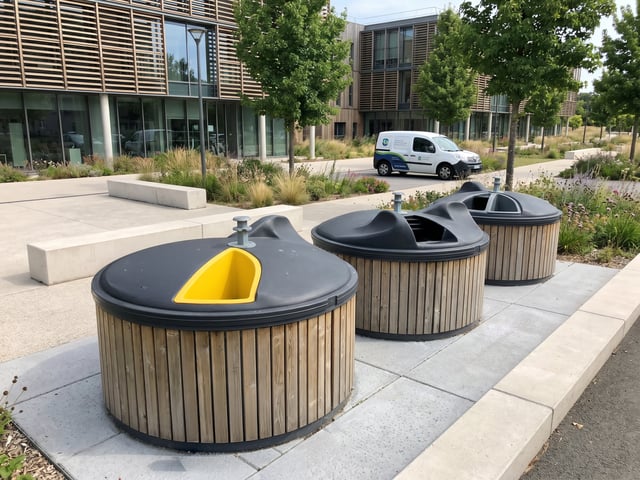
The contract specifies deployments across several operational domains. Smart sensors for public lighting management will enable adaptive control of the city’s street lighting network. Advanced waste management systems will use sensor data to optimise collection routes and schedules. Video-based visitor counting sensors will provide capacity monitoring at key locations, while dedicated tools will calculate the municipality’s CO2 footprint.
AI systems form a significant component of the platform architecture, though the municipality has not disclosed specific vendors or algorithmic frameworks for these capabilities. The scope suggests a platform-level approach where artificial intelligence is applied across multiple service verticals rather than deployed as standalone point solutions.
Digitising Heritage Centres and Creating Immersive Visitor Experiences
Beyond infrastructure management, the contract includes a tourism-facing innovation programme. Three interpretation centres will undergo digital transformation: San Antonio el Pobre, La Luz, and La Muralla. The municipality’s Gastronomy Interpretation Centre will receive immersive experience installations, and holographic technology will be introduced to enhance visitor engagement at cultural sites.
These initiatives reflect a broader trend across Spanish municipalities that are using PID funding to bridge the gap between urban management platforms and destination marketing infrastructure. Rather than treating smart city systems and tourism technology as separate domains, the Murcia project explicitly integrates both under a single platform architecture.
A Technical Data Office for Open Standards and Transparency
The project includes the establishment of a Technical Data Office tasked with ensuring all data generated through the platform is interoperable and available under open data standards. This governance layer is designed to promote both transparency and third-party innovation, enabling external developers and researchers to build on municipal data assets.
The approach aligns with Segittur’s PID philosophy of creating shared digital commons for tourism destinations, where standardised data formats and open APIs allow information to flow between local, regional, and national systems. It also mirrors the structure of the broader Plataforma de Innovación Abierta (PIA), an open innovation component of the PID that facilitates collaborative development of digital tourism solutions.
The contract includes a one-year warranty period covering both software and hardware, as well as any configurations performed during deployment.
Murcia’s Expanding Smart City Investment Portfolio
The platform contract adds to a growing portfolio of technology investments in Murcia. The city is already participating as the sole urban pilot site for CARMONY, a €6.5 million Horizon Europe project focused on real-time traffic orchestration and smart mobility, as previously reported by Kurrant. That project, running through April 2028, brings connected and autonomous vehicle management capabilities to the city’s streets.
Meanwhile, the regional government’s own Smart Region programme has invested €1.3 million in nearly 50 smart city projects across 30 municipalities in the Región de Murcia, creating a multi-layered digitisation landscape where municipal, regional, and national platforms are increasingly expected to share data and coordinate services.
Spain’s broader commitment to municipal digital transformation, including the recent €89.15 million RedCyTI programme and more than €200 million channelled through six previous smart city funding rounds since 2015, provides the fiscal and policy framework within which projects like Murcia’s operate.