in Barcelona
 3 to 5 Nov 2026
The Gandía City Council has approved a €1,330,000 public safety investment to modernise and expand its municipal video surveillance network, consolidating a fragmented system of 124 existing cameras into a unified AI-assisted platform and adding 38 new street cameras along with 175 body-worn cameras for local police officers. The project, authorised as a multi-year expenditure at the most recent full council session, is currently in public procurement and is expected to be operational before the end of 2026.
A Fragmented Infrastructure in Need of Consolidation
For years, Gandía’s surveillance infrastructure operated in silos. The 124 cameras already installed across traffic points and public buildings functioned partially or independently, with no common management environment. Finding footage of a specific incident required lengthy manual searches across disconnected systems.
The new platform aims to eliminate that fragmentation entirely. By integrating all cameras under a single Video Management System (VMS), the Local Police will be able to retrieve footage of vehicles, individuals, or incidents in a matter of minutes using automated search tools. Images will be retained for the legally mandated period of one month in accordance with current Spanish data protection regulations.
This project is heading to tender
New smart city and utility tenders worldwide, flagged daily with an AI summary.
Scope of the Deployment
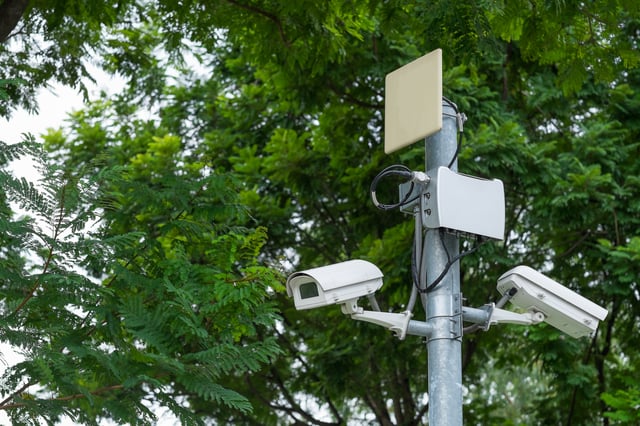
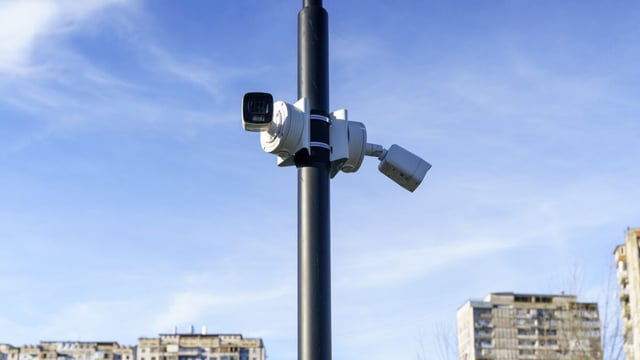
The 38 new fixed cameras approved for public spaces already hold authorisation from the Government Delegation, with placement determined by technical and operational criteria to expand coverage and improve incident detection capacity. Together with the existing 124 cameras, the unified platform will manage a total of 162 devices in the city’s surveillance network.
The investment covers not only the installation of new hardware but also an upgrade of the underlying infrastructure: servers, recorders, monitoring screens, control equipment, and connectivity systems aligned with national security standards and Gandía’s smart city integration goals. The four-year contract covers both implementation and ongoing maintenance of the entire system.
Body Cameras as an Operational and Legal Safeguard
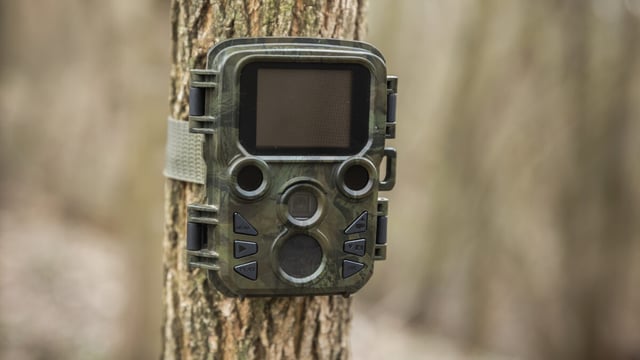
One of the most significant components of the plan is the deployment of 175 bodycams for officers of the Local Police of Gandía. The devices will be linked to the central VMS and will carry identification and security mechanisms. According to the city’s public announcement, the bodycams are intended to improve both operational effectiveness during police interventions and the legal protection of the officers themselves.
Councillor for Protection, Security and Coexistence Lydia Morant described the initiative in terms that went beyond a conventional equipment procurement. The project is, she noted, “estratégica, ambiciosa e integral” (strategic, ambitious and integral), representing a complete renewal of the city’s technological surveillance infrastructure, not merely the addition of new cameras, she said at the municipal presentation on 7 May 2026 (translation by Kurrantly News).
Smart City Alignment and Procurement Timeline
The procurement process is now underway, with the municipality targeting a post-summer implementation start and full operation before 31 December 2026. The system is designed to integrate with the broader smart city model the city has been developing over the past two years, a period that has also seen investment in police vehicle fleet renewals, improved uniforms, updated radio equipment, and other operational upgrades.
Chief Commissioner of the Local Police José Martínez Espasa indicated that the primary objective of the new surveillance capability is prevention and deterrence, with a secondary focus on sharply reducing investigation times when incidents do occur. The shift from manual to automated image search is central to that operational improvement.
A Broader Trend in Spanish Municipal Surveillance
Gandía’s investment is consistent with a pattern of Spanish municipalities reassessing their surveillance infrastructure to comply with national data protection standards while extending their smart city capabilities. Across Spain, smaller and mid-sized cities have moved to consolidate historically fragmented CCTV networks under unified IP-based management platforms with embedded analytics. Municipal-scale AI-assisted video surveillance has accelerated notably since 2024, driven in part by falling hardware costs and the wider availability of VMS platforms capable of integrating both fixed cameras and body-worn devices.
At the European level, the global video surveillance market reached an estimated USD 42.5 billion in 2026, according to industry research, with public-sector deployments representing a growing share as cities align safety infrastructure with digital governance priorities.
Funding for Gandía’s project appears to come from municipal general budget appropriations authorised as multi-year expenditure. No external co-financing framework such as NextGenerationEU or FEDER/ERDF has been cited in the available public documentation.