Austin Energy Steps Up Wildfire Prevention with Vision AI
View transcript auto-generated
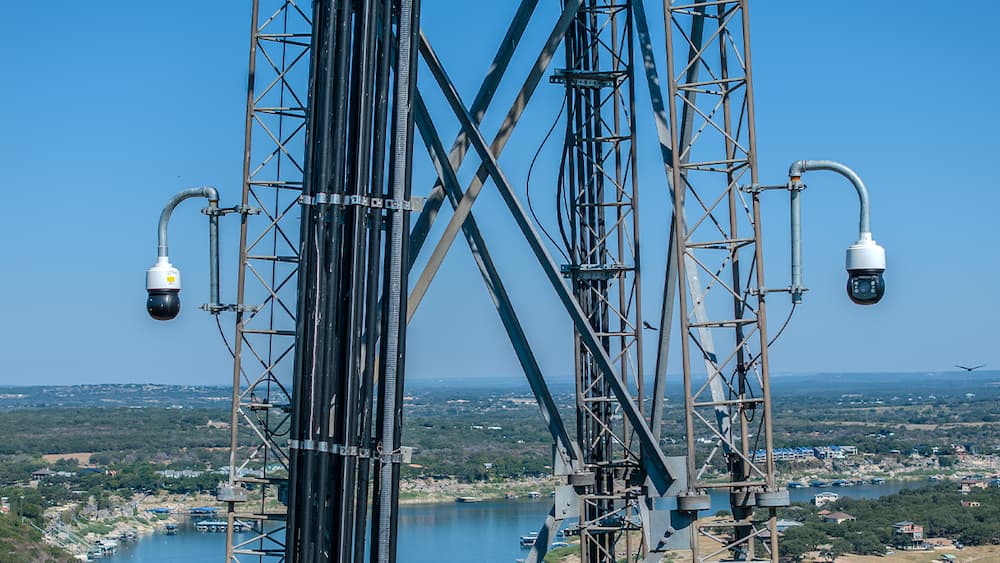
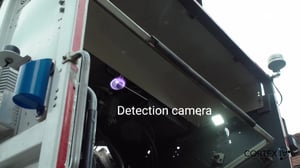
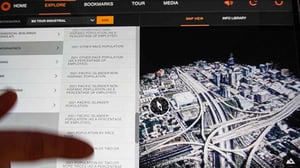
The faster you can get a fire out, the smaller it is, the better off. Because once these fires get to a certain size and once they take hold, then they become these massive campaign fires and do the most destruction and devastation that they do. You just heard Christopher Vetromile, Austin Energy's first Wildfire Mitigation Manager. The position was created a year ago to address wildfire risks in the city-owned utility’s territory, as utility caused fires have become an increasing threat in the US. Xcel energy, for example, said that the Smokehouse Creek fire earlier this year was most probably caused by its equipment, and Hawaii Electric has also acknowledged that one of its lines ignited a fire in Maui last year. To face this threat, Austin Energy's wildfire strategy includes vegetation management, infrastructure improvements, and as of this year, a vision AI early fire detection system. The utility deployed from March to August of 2024, 26 AI-enabled cameras in 13 stations to detect fires in their first stages. So this is a system that can really help us detect instantaneously and pinpoint and know that that fire, was started by us, and then we can use all that analytical data in the back end and go through it and see, looking more into our system and what we need, we need to accomplish. We know that a fire generated outside of the utility, are coming through these areas where everybody has utility lines and they are burning down the poles or are turning off the power in certain areas of the grid. And again, that's the same thing. It's whether we caused it or it comes in, if the power goes out, that's that's really a bad thing. At each location, we deploy two cameras that rotate a full 360 degrees every minute. That information is uploaded to the cloud, where we use our artificial intelligence algorithms to look for the very first signs of fire. Austin Energy, which is one of the largest municipality-owned utilities in the country serving some 550,000 clients, along with PanoAI, investigated the utility's 437 square mile territory with drones, and the company determined the best spots to deploy the high definition cameras and cover the full area. They're covering not just Austin, but most of Travis County and even parts of their neighboring six counties. The AI cameras by PanoAI, which can sometimes be positioned at even 80m off the ground and have wipers to keep the lens clean, scan the areas continuously, and when they spot what they believe is a fire, the system triangulates where it is and sends, through cellular connectivity, an alert to the company's 24 hour intelligence center. There, the staff reviews the footage and then notifies the client and fire agencies via email or SMS. Clients can also continuously view footage through the 360 platform. And if I click that button, it'll go directly to that view of that camera and it'll show me the camera, all the cameras that detected it. It'll show me the location. It'll show me how close to our assets. So it does have that for that immediate alert. But the biggest part of this program is that we've integrated with the 911 call center. So our fire engine dispatching system. And so they have the alerts and they have the ability to look at the cameras. Pano 360 is available on both desktop and mobile interfaces, which means that as first responders are going to the scene of the fire, they're able to get real time live updates from the cameras. They can see how the fire is evolving as they're traveling there. And with the addition of map layers, they're getting some really valuable information, about the conditions into which they're heading. Things such as the temperature, the humidity, wind speed and direction. These solutions are known as early fire detection systems. And there aren't just cameras out there. We've seen and explored in previous videos, other fire detection solutions that act as noses sensing smoke by smell. Austin Energy has started with cameras but hasn't ruled out using this technology in the future and incorporating it into their already deployed system. The return on investment for this type of solution comes in the shape of helping the community, but directly for the utility, it comes from saving crucial infrastructure, making it more resilient, and reducing liability risks. In 2019, for example, Pacific Gas and Electric in California filed for bankruptcy, citing approximately $30 billion in liabilities due to the 2018 Camp Fire, so stopping fires before they grow can save billions of dollars. It's just over half a million dollars a year, I think for the turnkey service from them. And so we did a five year contract with that. The initial investment and getting everything up and running, I think it's going to be about 3.2 million for a five year contract with them. So this system will get those fires out in that small stage and that will then, benefits across the board, on multiple millions of dollars, not just this little bit, we're talking hundreds of millions of dollars. The utility has already been able to identify fires. They haven't had any wildfires yet. But because their territory is quite urban, they've identified fires coming from cars, homes, industrial areas... The AI in the cameras is still being fine tuned so that alerts aren't triggered by fog, for example. Austin Energy is also looking forward to the system being trained to identify the different types of fires. It's yet another example of US electric utilities investing in smart digital solutions. For Austin, early fire detection is a critical step towards protecting the reliability of the grid. It's also proof of a trend we're seeing. Earlier this year, we covered the deployment of N5 fire detection smell sensors in Hawaii after the Lahaina deadly fires of last year, a trend that will most likely continue to grow as, unfortunately, wildfires become the norm in many parts of the world.

📰 Latest News
🎬 Kurrant Originals

🎥 Recent Event Coverage



🎯 Featured Case Studies
Real client work behind the news — strategy, M&A and engineering projects we've delivered for cities and utilities.



Stay in the Loop
Get smart cities and utilities insights delivered your way. Choose your channel
Join our WhatsApp Channel