The Municipality of Genoa is preparing to allocate approximately one million euros toward smart city projects tied to its public lighting network, as the Italian port city pushes to extract greater intelligence and safety value from an ongoing €34 million LED modernisation programme nearing completion.
A €34M LED Overhaul Reaches 95% Completion
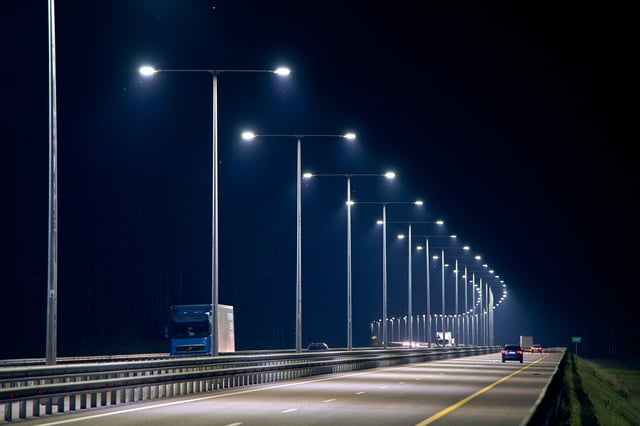
The investment builds on a nine-year energy performance contract awarded in 2020 under Italy’s national Consip Servizio Luce 4 framework, which assigned management of Genoa’s entire public lighting system to City Green Light, an energy service company headquartered in Vicenza. Under the arrangement, approximately 55,000 of the city’s light points have been converted to LED technology, with 95% of the planned upgrade work now delivered. Supporting infrastructure improvements include the replacement of 500 poles and the installation of 540 new electrical panels alongside remote control systems for centralised network management.
The results have been substantial. Pre-efficiency energy consumption stood at around 40 gigawatt hours per year and has since fallen by more than 70%, according to City Green Light’s project manager for northern Italy. Fault reports from residents have also declined by 46% over five years, dropping from an average of around 1,067 monthly calls in 2020 to roughly 578 more recently.
Historic Centre and Sampierdarena Lead Priority List
Despite the scale of progress, Genoa’s municipal commission on public lighting has acknowledged that significant challenges remain. Persistent faults, insufficient illumination in some districts, and the sheer complexity of managing a network spanning 245 square kilometres of territory continue to demand attention. The city’s administration has responded by establishing a structured dialogue with local neighbourhood councils (known as Municipi), which serve as the primary channel for identifying area-specific lighting deficiencies.
That process has so far generated approximately 100 formal requests from local authorities, which are currently being classified and prioritised. The historic centre, already the focus of the “Lighting for Genoa” urban regeneration initiative that added around 500 new light points across ten public squares, remains a key area for continued investment. Targeted inspections have identified projects valued at roughly €25,000 that the city aims to fast-track. The Sampierdarena neighbourhood, particularly the area around the Teatro Modena, has also been flagged as a strategic priority for improved urban illumination.
From Efficiency to Intelligence: Sensor Integration and Safety
The planned one million euro smart city investment signals a shift from pure energy efficiency toward data-driven network management. The municipality intends to conduct a statistical analysis of the lighting system’s performance, mapping faults, identifying recurring failure patterns, and pinpointing areas where service quality falls short. The objective is to build a more adaptive lighting infrastructure capable of integrating sensor technology and predictive analytics.
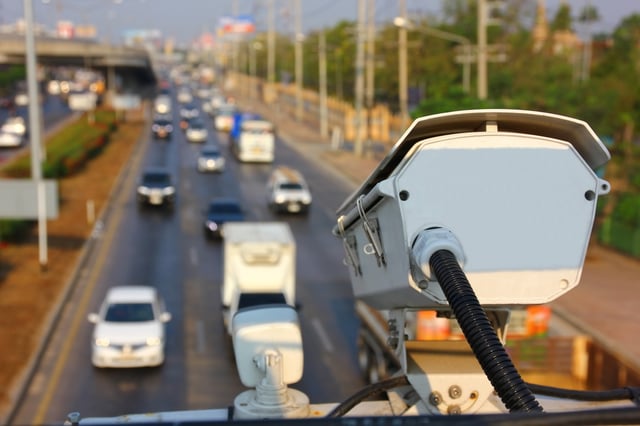
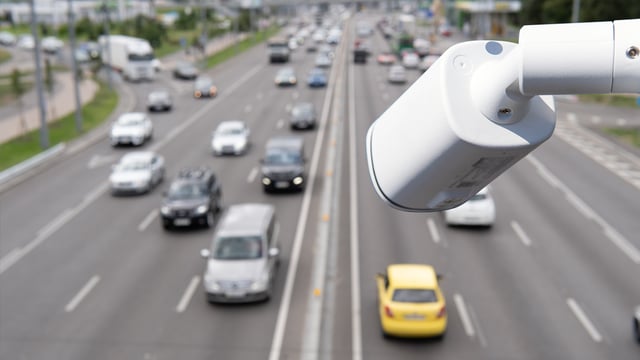
Among the options under evaluation is an integrated lighting concept that combines artistic illumination with public safety features. This approach would deploy sensors and detection devices in sensitive urban areas, with particular emphasis on protected pedestrian routes and women’s safety. The concept aligns with a broader trend across Italian municipalities using smart lighting poles as multi-functional platforms for environmental monitoring, video surveillance, and traffic management, as Trieste demonstrated in its own smart lighting initiative with Edison Next.
Tree Canopy Interference Adds Complexity
A less commonly discussed challenge in public lighting modernisation is the interference between urban tree canopy and artificial illumination. In Genoa, mature trees in several neighbourhoods significantly reduce light output at street level, creating shadow zones at pedestrian crossings and other critical points. The municipality plans to initiate detailed mapping of these conflict areas to define targeted solutions, though some locations present enough complexity to require extended assessment before interventions can proceed.
Funding Gap Remains a Structural Constraint
Municipal officials have been candid about the financial limitations constraining the pace of improvement. The city operates approximately 600 lighting installations, and officials within Genoa’s energy policy division have characterised the total investment required to fully modernise the system as running into nine-figure territory. Even under a theoretical 100-year replacement cycle, annual maintenance costs alone would reach seven-figure levels, a funding threshold that has historically not been met.
City Green Light, which now manages around one million light points across more than 330 Italian municipalities, has itself undergone significant ownership changes. In October 2025, Igneo Infrastructure Partners signed a definitive agreement to acquire 100% of the company from Marguerite, FIEE SGR, and IPIN 2E. The deal, part of Igneo’s broader European infrastructure strategy, positions City Green Light under a global infrastructure manager with approximately $22.9 billion in assets under management. The company has also been expanding through acquisitions including smart parking technology to broaden its municipal services portfolio beyond lighting.
Italy’s CONSIP Framework: A National Model Under Pressure
Genoa’s experience highlights both the strengths and limitations of Italy’s centralised procurement approach to public lighting. The Consip Servizio Luce 4 framework enables municipalities to rapidly onboard energy service companies without running individual procurement procedures, and the nine-year contract length provides the financial runway needed for large-scale LED retrofits. However, the Genoa case demonstrates that even with strong efficiency gains, municipal budgets often lag behind the scale of infrastructure need, particularly for legacy systems requiring structural upgrades beyond simple luminaire replacement.