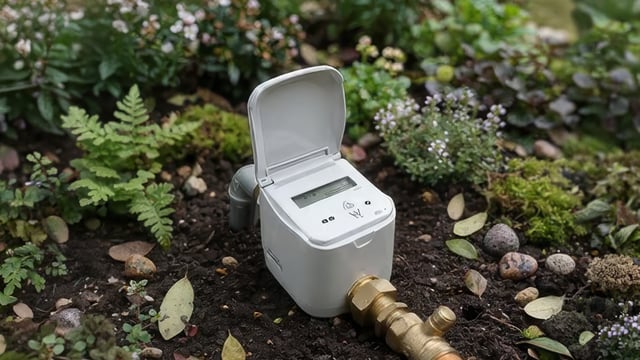
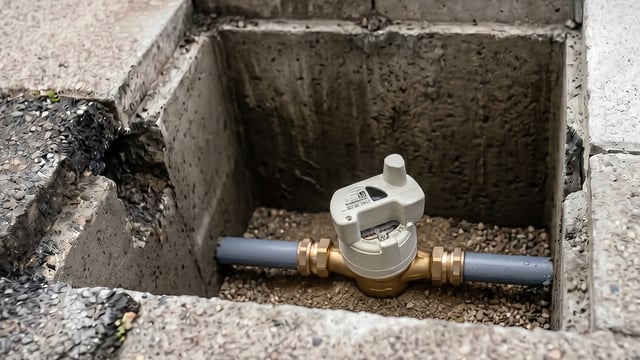
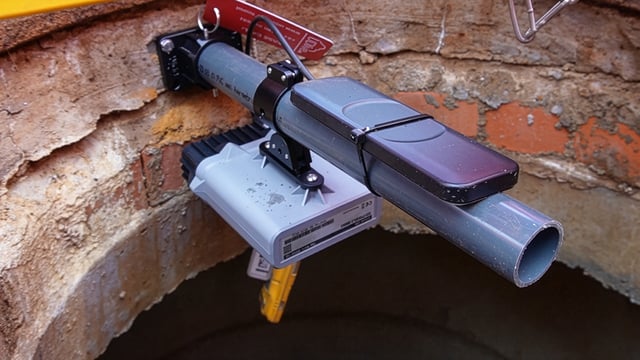
The Office d’Equipement Hydraulique de Corse (OEHC), the public body responsible for water infrastructure across the French Mediterranean island of Corsica, is replacing its entire fleet of 10,000 mechanical water meters with ultrasonic solid-state devices supplied by Itron. The project, announced on 2 June 2026, targets full deployment by 2030 and is central to OEHC’s objective of saving 5 million cubic metres of water per year by 2035.
A Territory Where Half the Water Billed Goes Unaccounted
Corsica faces a compounded water management challenge: agricultural and amenity uses account for 52% of all abstracted water, yet the mechanical meters currently in service have left the utility able to bill for only around half of the water it actually delivers. The gap reflects a well-documented limitation of older displacement meters, which degrade over time and lose accuracy at low flow rates, particularly in harsh outdoor environments.
The island’s exposure to climate variability makes this more than a billing problem. Irregular rainfall, extended dry summers, and a water network stretching more than 3,000 kilometres, including roughly 2,000 kilometres of irrigation pipelines, mean that inaccurate consumption data directly affects how resources are allocated between agriculture and domestic supply.
From Pilot to Full Rollout
OEHC began testing Itron’s ultrasonic technology in 2023, running a controlled pilot to assess whether the meters could perform reliably across the network’s varied conditions. The results were evidently sufficient to justify a full-scale commitment.
“On an island, responsibly managing water resources is especially crucial due to limited supply and the heightened impact of environmental challenges,” said Henri Politi, Head of Operations at OEHC, in Itron’s 2 June 2026 press release. “With more than 3,000 kilometers of water pipelines, including 2,000 kilometers dedicated to crop irrigation and livestock watering, we needed a metering solution that could support both end users and the demands of our irrigation network. After deciding to modernize our meter fleet, we selected Itron’s ultrasonic solid-state water meters because they fully met our requirements for reliability and accuracy. The consumption data provided by these meters will enable us to significantly improve how we operate and manage our water networks.”
What the New Meters Bring to the Network
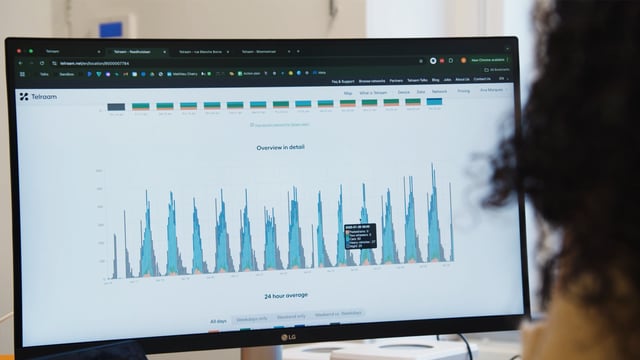
For OEHC, the operational benefits are expected to accumulate across several areas: remote meter reading will reduce the need for manual data collection across a dispersed rural network; automated alarms can flag anomalies such as leaks, reverse flow, or potential tampering; and verified consumption data will underpin decisions on seasonal agricultural water allocation. Itron’s cloud-based Temetra platform is available to centralise data collection from the meters, though it was not explicitly confirmed as part of this particular contract in publicly available documentation.
Itron’s Mediterranean Island Pattern
The Corsica deployment follows a similar project Itron secured with Abbanoa, the integrated water operator for Sardinia, Italy, in 2023. That contract also involved replacing mechanical meters with Intelis wSource units across a Mediterranean island network where agricultural demand and climate stress present comparable challenges to those OEHC faces. Itron has also signed agreements with utilities in Greece and Tuscany deploying the same meter line, suggesting a deliberate focus on southern European water markets where ageing infrastructure and conservation pressure are driving procurement cycles.
As previously covered by Kurrant, Publiacqua deployed Itron’s Intelis wSource meters across its Tuscany network, serving 1.3 million residents, with a similar focus on non-revenue water reduction and billing accuracy.
Scale, Backlog, and Industry Direction
Itron reported Q1 2026 revenue of $587 million and a contract backlog of $4.4 billion, reflecting sustained demand for metering and grid-edge technology across energy and water utilities. The Corsica contract value was not disclosed.
The OEHC project is not unusually large by the scale of recent smart water deployments, but it is notable for its conservation framing. The 5 million cubic metre annual savings target translates to roughly 500 litres per meter per day across the fleet, a figure that reflects both leakage reduction and improved billing capture rather than a direct reduction in consumption alone. Whether that target is independently monitored or audited was not specified in the available documentation.