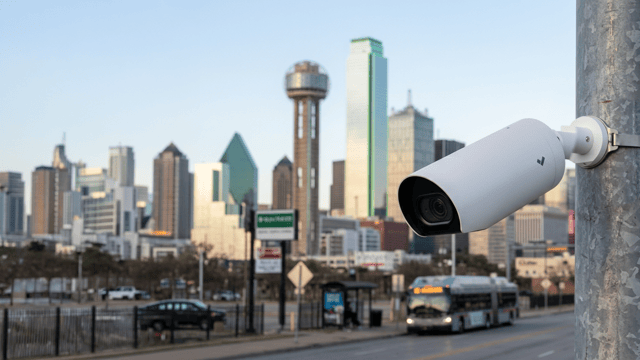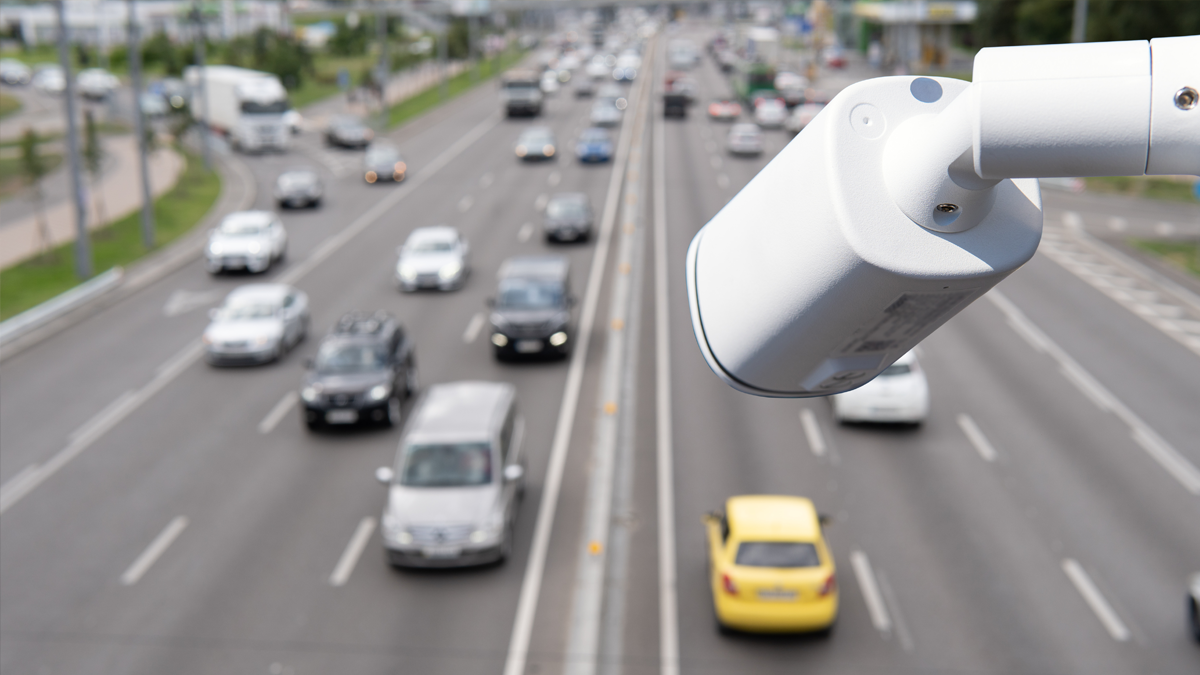
North Carolina lawmakers have authorized the State Bureau of Investigation to install AI-powered automatic license plate readers on every state-maintained road, ending years of legislative resistance to camera surveillance on highways. The authority arrived through a provision in Senate Bill 257, the state’s $34.4 billion budget, which Governor Josh Stein signed into law on July 7, 2026. The change converts a 2023 pilot program involving 32 law enforcement agencies into a permanent, statewide system open to any agency that wants to participate, covering interstates, U.S. highways and secondary roads across all 100 counties.
Budget Provision Ends A Decade-Long Standoff Over Highway Cameras
Automated license plate readers, known widely by the brand name Flock Safety, have operated on city and county roads in North Carolina for years. Placing fixed cameras on state-owned rights-of-way had remained off-limits after skeptical lawmakers on both sides of the aisle blocked earlier proposals over constitutional concerns, a dynamic detailed in WRAL’s reporting on the budget provision. That opposition softened after the legislature authorized a limited pilot in 2023 and after cameras helped investigators respond to a November 2024 sniper attack on drivers along I-40 in Raleigh.
From Pilot To Permanent Statewide Deployment
The SBI’s pilot ran under a memorandum of understanding with the North Carolina Department of Transportation, and the bureau asked lawmakers in an April 2026 report to make the arrangement permanent. The bureau’s stated objective, according to the filing reviewed by WRAL, was covering all entrances and exits to North Carolina with camera coverage. As of mid-March, roughly 140 cameras were operating under the pilot, and the network had logged more than 150 million license plate scans, based on figures reported by WRAL’s capitol bureau.
Vendor Landscape And System Architecture
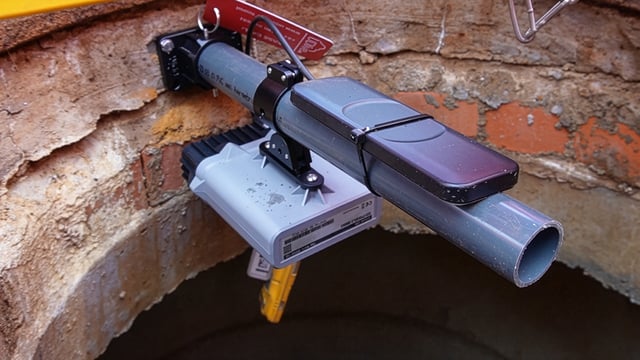
Four vendors supply equipment for the SBI program, with Flock Safety providing the majority of installed units, according to WECT’s review of the state program. The cameras photograph plates, vehicle make, model and color, then match results against databases including the National Crime Information Center. Captured data feeds into a centralized system accessible to authorized law enforcement users, and state law generally caps retention at 90 days unless the material is preserved for an active investigation.
Early Results Cited By Law Enforcement Agencies
Agency-level figures submitted to the legislature illustrate the scale of data collection already underway. Raleigh police reported three cameras on state roads recorded more than 14.8 million drivers and generated 956 database hits, while New Hanover County’s 19 cameras captured over 35 million plates in roughly seven months. Sheriff’s offices in Harnett, Franklin and Person counties, plus the Henderson Police Department, operated 40 combined cameras that logged 23.3 million drivers as of March, per the SBI’s report cited by WRAL.
Legislative Leaders Defend The Expansion
House Speaker Destin Hall defended the expansion after the budget vote, framing it as an extension of existing public exposure on the road. “I don’t think that it’s a real breach of civil liberties. If you’re driving down a public highway, you’re out in the public anyway, so you don’t really have much expectation of not being seen out there,” Hall said, in comments to WRAL following the budget votes in July 2026. Senate leader Phil Berger offered similar reasoning, telling the outlet that anyone visible on a public road has already accepted a degree of exposure.
Privacy Safeguards Remain Largely Agency-Dependent
State law makes unauthorized use of the system a Class 1 misdemeanor and requires each participating agency to adopt a written use policy, but it sets no minimum standard for what those policies must contain. A WRAL review found only two of the 32 pilot agencies, Asheville and Raleigh, had policies addressing surveillance of political or religious gatherings. The American Civil Liberties Union of North Carolina has argued the framework provides little protection against misuse, with spokesman Zac Contreras telling reporters the technology enables warrantless tracking with weak accountability mechanisms.
Misuse Cases Elsewhere Fuel Scrutiny
National context has sharpened the debate. The Institute for Justice documented at least 21 cases nationwide of officers accused of using license plate readers to track romantic interests as of June 30, 2026, and subsequent reporting from Georgia and Wisconsin added several more arrests over misuse allegations. In North Carolina, a 2023 Fayetteville case in which an innocent woman was wrongly linked to a stolen vehicle led the city to pay a $60,000 settlement, a reminder cited by privacy advocates that automated matches still require human verification.
Market Context And What Comes Next
North Carolina’s move mirrors a broader national build-out; Flock Safety alone has expanded past 100,000 installed readers across the United States, according to prior industry reporting. The SBI must submit interim and final reports on the program’s use and any data-retention violations to the Joint Legislative Oversight Committee on Justice and Public Safety by October 1, 2026, under the terms of the new law. How quickly the remaining agencies statewide move to install cameras on newly opened state roads will determine whether North Carolina’s network approaches the density SBI officials have said they are targeting.