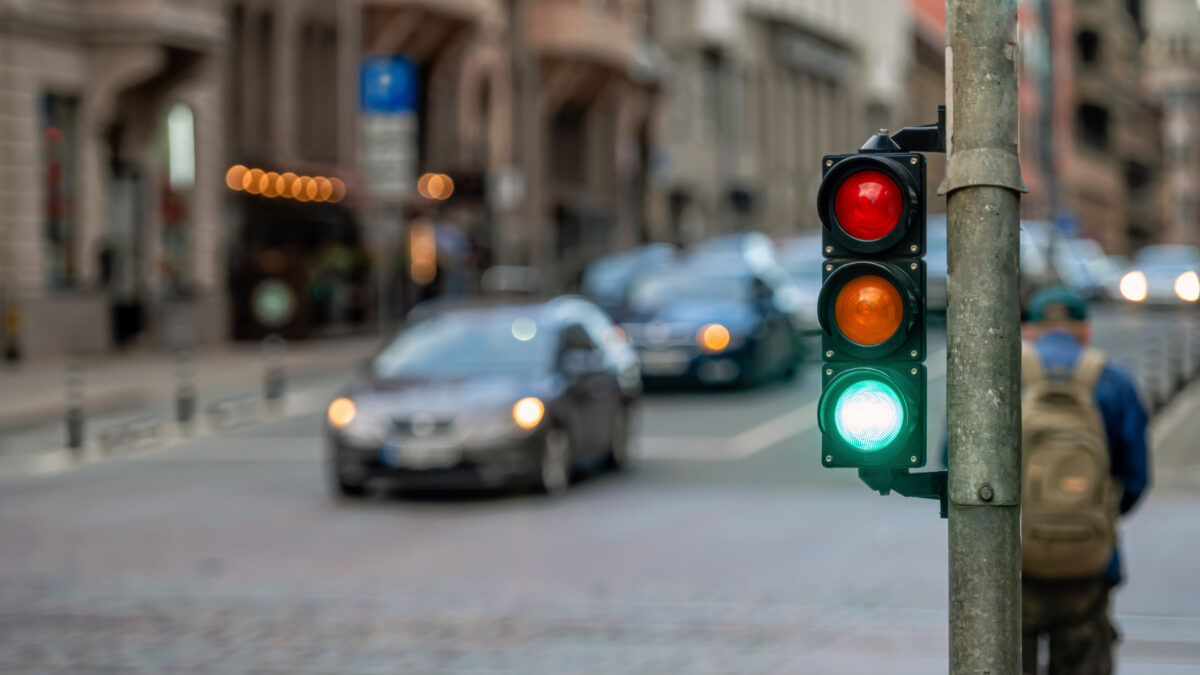
The Comune di Monza, capital of the Province of Monza and Brianza with 123,672 residents, approved on October 2, 2026 an executive project worth €615,000 to modernise the traffic signals at 14 of the city’s busiest intersections. The work replaces inductive loops, radar sensors and older cameras with multi-function camera units that measure traffic flows and queues in real time. It forms part of SAMU (Sistemi adattivi per monitoraggio e gestione della mobilità urbana), a €2,500,000 urban mobility programme funded by Regione Lombardia, which aims to move the city’s 110 signalised junctions onto a single control platform.
Fourteen Junctions On The City’s Main Corridors
The intersections selected include via Cavallotti with via Vittorio Veneto, Marconi with Sant’Alessandro, and two junctions on via Borgazzi, at Monte Ortigara and Guerrazzi. The list also covers viale Foscolo at via Cederna near the cemetery, viale Libertà at via Bertacchi, and via Adda at via Mameli, among others.
The project budget works out at about €43,900 per intersection, combining new detection equipment with extraordinary maintenance of the existing signal installations. The 14 junctions represent about 13% of the 110 signal installations in the city.
Cameras Replace Loops And Radar
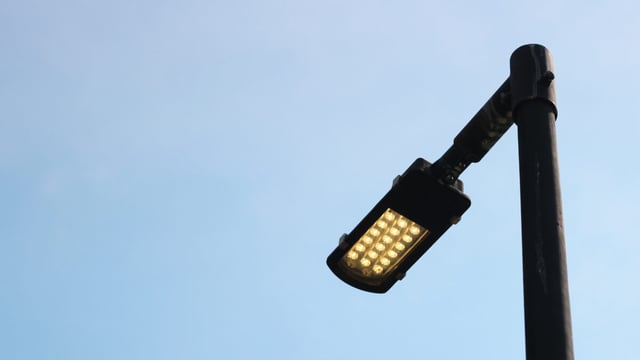
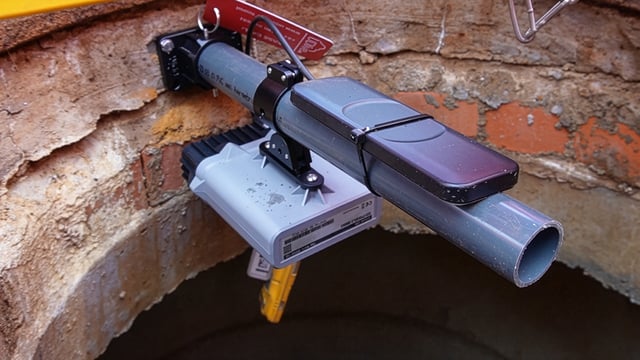
The new units are intended to perform several detection tasks from a single device, replacing the separate magnetic loops cut into the road surface, radar sensors and earlier-generation cameras used at most junctions today. They will count vehicles, identify queues and, in a later phase, feed adaptive signal cycles that adjust green times to actual traffic conditions.
The cameras are also designed to detect near-miss events, such as sudden braking to avoid a pedestrian or dangerous vehicle trajectories. The city plans to analyse those events to identify risky intersections before collisions occur, with particular attention to pedestrian safety.
According to the project description reported by Il Giorno, the system follows privacy by design and by default principles. Video streams will not retain faces or licence plates, only anonymous metadata, and access to the data is restricted to authorised staff.
Maintenance is expected to be largely software-based. That reduces the need for roadworks, which inductive loops require whenever they fail or the road surface is resurfaced.
One Control Room For 110 Signal Installations
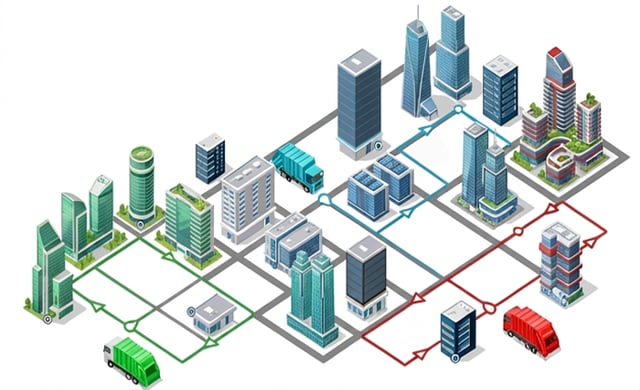
The camera upgrade builds on a control system contract awarded in June. The city made a direct award of €45,140 to Scae Spa, a traffic systems company based in Segrate, for a new StcWeb2.0 central control platform that will bring all 110 of Monza’s signal installations onto one system, Il Giorno reported at the time.
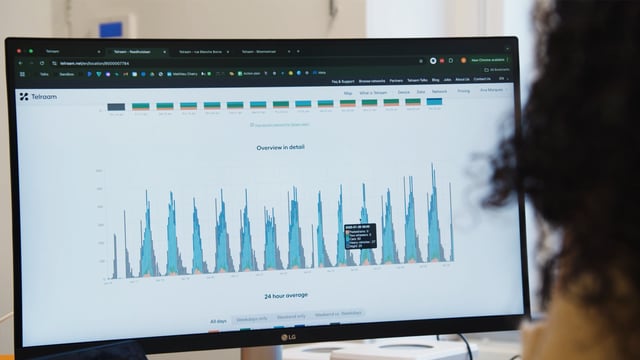
StcWeb2.0 replaces an urban traffic control (UTC) centre in operation since 2020, which could monitor only 24 of the 110 installations remotely. Central visibility of the whole network is a precondition for coordinated, adaptive signal timing across corridors rather than at isolated junctions.
The wider SAMU programme also includes infoparking panels to direct drivers to available spaces, integration of data from the city’s ZTL limited traffic zone gates, and upgrades to the Monza Mobilità app and web portal. The city is running the project with Monza Mobilità Srl, its municipal mobility company.
Part Of Lombardy’s €25 Million Data-Driven Mobility Call
SAMU was one of 14 projects funded through Regione Lombardia’s €25,000,000 Smart Mobility Data Driven call, Kurrant reported in January 2025. Monza received a grant of €2,500,000 as a non-repayable contribution, the city announced in December 2024.
“Thanks to projects like S.A.M.U., Monza confirms its place at the centre of Lombardy’s innovation. We are transforming the territory into a ‘Smart Land’,” said Alessandro Fermi, Lombardy’s Regional Minister for University, Research and Innovation, in remarks reported by MBNews in January 2025 (translated from Italian).
Other projects funded through the same call include MuoviMI, a €1,200,000 smart road system on Milan’s outer ring road, and SmartMOV 2030, a €2,500,000 programme for congested corridors in the Metropolitan City of Milan and the Province of Sondrio.
Monza’s project sits at the urban end of a broader Italian effort to digitise road infrastructure. In June 2026, the A56 Tangenziale di Napoli became the first road in Italy certified as a Smart Road under Ministerial Decree 70/2018, Kurrant reported, a designation built around continuous monitoring and data exchange on motorway-class roads rather than city junctions.
At municipal level, the main constraint is usually detection rather than control software. Many Italian cities already run centralised traffic signal systems, but only a fraction of their junctions report live traffic data, which limits how far signal timing can respond to real conditions.
Behind The Original Schedule
The city’s December 2024 announcement set a schedule of about 64 weeks, starting in February 2025 and finishing by mid-2026. With the executive design for the junction upgrades approved only in October 2026, and the new subsystems for signal management and infoparking due to be activated during the autumn, the programme is running several months behind that plan.
The schedule matters because regional grants of this kind are typically tied to reporting deadlines, and the city has not said whether the timetable for using the Lombardy funds has been extended.
What The Project Does Not Yet Measure
The approved project equips 14 junctions with detection that can support adaptive control, but adaptive signal cycles are described as a future step rather than part of this contract. The other 96 installations will be visible from the new control room without gaining the same detection capability.