in Barcelona
 3 to 5 Nov 2026
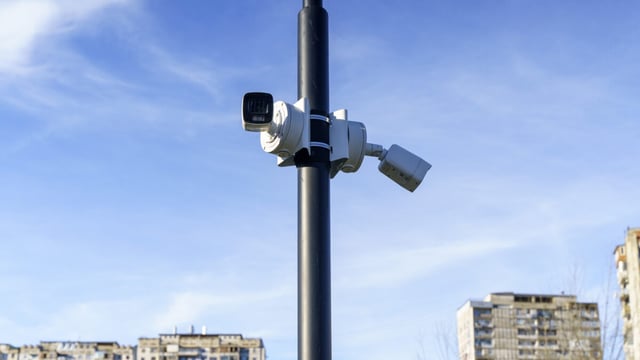
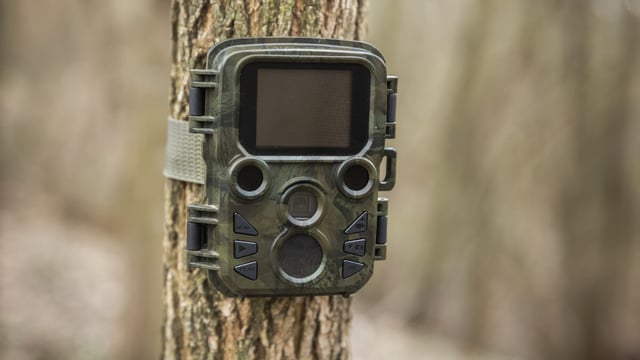
New South Wales is trialing artificial intelligence (AI) to train roadside cameras to detect koalas and alert drivers in high-risk areas. The initiative, part of a $500,000 government commitment, aims to reduce wildlife collisions in south-west Sydney. Smart signs, currently being tested at a Transport for NSW facility in Yennora, will detect nearby animals and activate warnings for drivers.
Additional trials will assess the effectiveness of light-colored pavement in helping drivers spot wildlife more easily. Enhanced signage and one-way escape doors for koalas are also being introduced at hotspots like Appin Road, allowing koalas to exit road corridors safely. Similar measures have already been implemented along the Hume Highway and other locations.
However, concerns remain about delays in implementing promised infrastructure, such as wildlife underpasses, despite a reported doubling of koala road strike deaths in the region over the past two years. Critics argue that these measures are urgently needed to protect the declining koala population, which faces increasing threats from habitat loss and road accidents.