in Barcelona
 3 to 5 Nov 2026
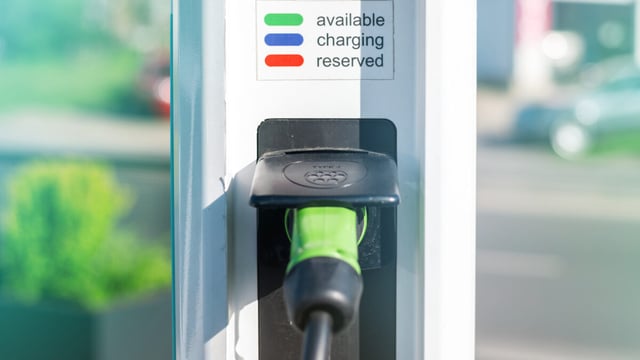
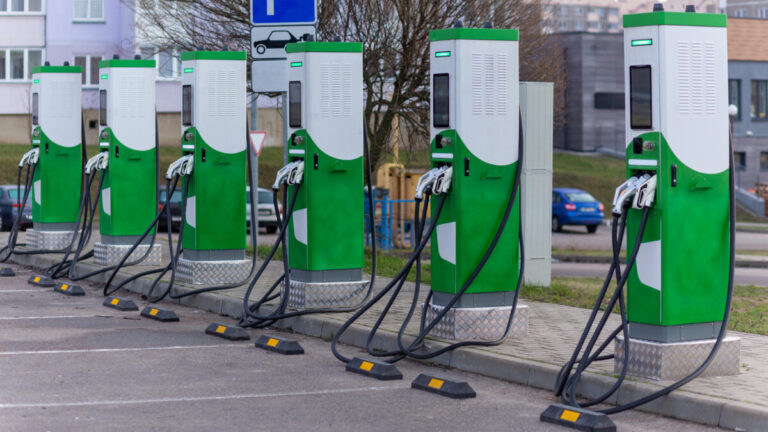
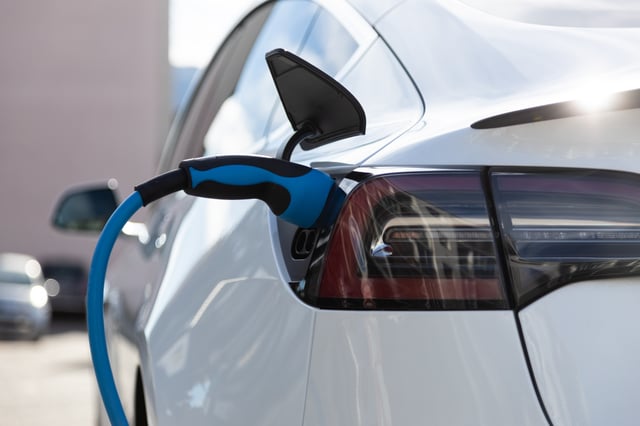
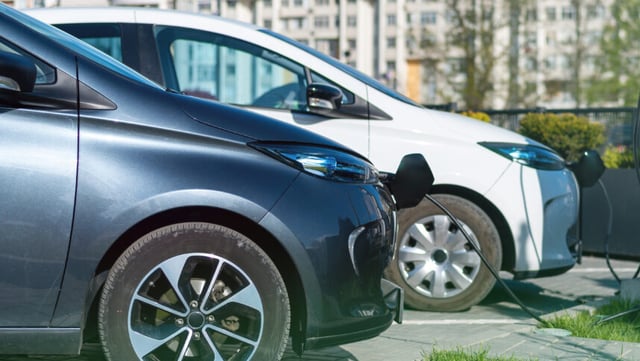
Birmingham City Council has launched a pilot project to install 560 lamppost electric vehicle (EV) charge points across residential areas with limited access to private off-street parking. This initiative, the first of its kind in the UK’s second-largest city, aims to address barriers to EV ownership by providing convenient on-street charging solutions.
The project, delivered in partnership with Ubitricity, the UK’s largest charge point operator and a subsidiary of Shell, will see charge points installed on 82 streets. Each installation takes less than an hour and is designed to minimise disruption and avoid street clutter. The first 300 charge points are already operational, with the remaining 260 set to be completed by spring 2025.
Funded through the Office for Zero Emission Vehicles (OZEV) On-Street Residential Chargepoint Scheme (ORCS), the initiative aligns with Birmingham’s broader goals under the Birmingham Transport Plan 2031, Brum Breathes Clean Air Strategy, and Route to Net Zero initiative. These plans prioritise walking, cycling, and public transport while supporting the transition to low-emission vehicles. The project is expected to accelerate the adoption of electric vehicles in the city.