in Barcelona
 3 to 5 Nov 2026
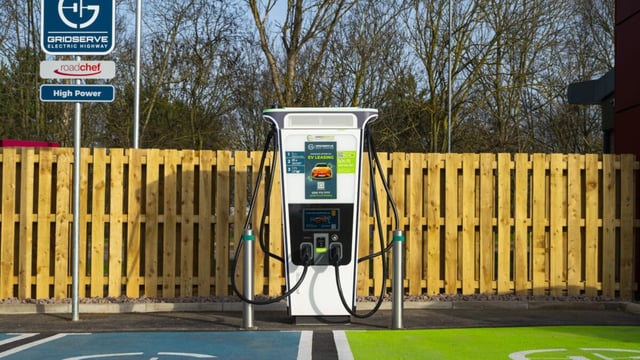
GRIDSERVE, a UK operator of electric vehicle charging hubs and of the Electric Highway chargers at motorway service areas, announced the package on 27 November 2026 in a company statement. The debt is structured as green financing and replaces part of the company’s existing borrowings.
Why: Replacing Earlier Debt Ahead Of The Next Build Phase
The deal has two purposes. It refinances debt GRIDSERVE already carries, and it provides new money for public charging sites, including ultra-rapid hubs located away from the motorway network, electrive reported.
The company’s last large raise was a green loan package of more than £500 million in July 2023, arranged to speed up its rollout.
Building in this space?
Kurrant Ventures backs start-ups digitalising cities and utilities, and opens doors to the operators that buy from them.
- Latitudo 40
- GoodVision
- Meersens
- Cortexia
For charge point operators with a trading history, debt secured on site revenue is becoming a common way to fund expansion. In October 2026, as we reported, Irish operator EZO closed a €150 million senior debt facility to fund more than 3,000 charge points in the UK and Ireland.
The National Wealth Fund’s Role
The National Wealth Fund, the UK government-owned investment bank formerly known as the UK Infrastructure Bank, has committed £75 million to GRIDSERVE’s expansion, according to New Civil Engineer.
The fund’s mandate is to invest alongside private capital in projects that support the UK’s net zero targets.
What Happens Next
GRIDSERVE plans to use the new capital to add public charging sites, with a focus on ultra-rapid hubs off the motorway network.
Demand for public charging is tied to the UK zero emission vehicle mandate, which requires 33% of each manufacturer’s new car sales to be zero emission in 2026. The share rises to 38% in 2027 and to 80% in 2030.