in Barcelona
 3 to 5 Nov 2026
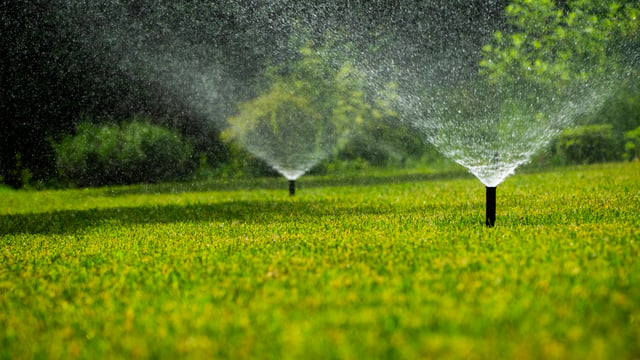
The Calp Town Council has begun installing a smart irrigation system across two of its main public garden avenues, marking the first physical infrastructure deployment under the municipality’s broader programme to become a certified Smart Tourist Destination. The project, budgeted at €39,309.80 and awarded to Javea-based irrigation specialist MP Irrigation SL, draws on European funds channelled through Spain’s Recovery, Transformation and Resilience Plan (PRTR) via the Next Generation EU instrument.
What Is Being Installed a
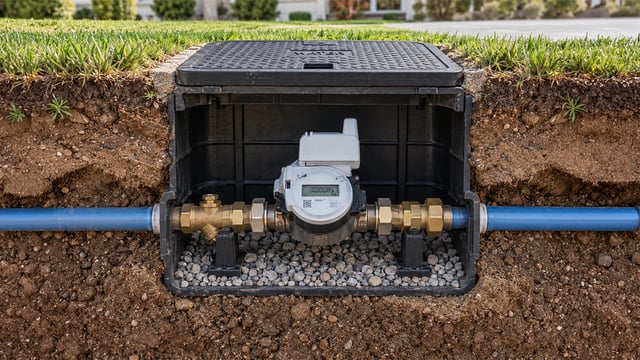
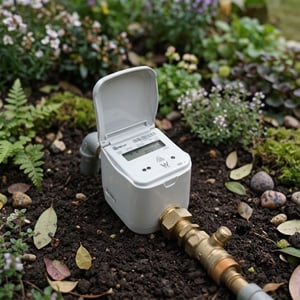
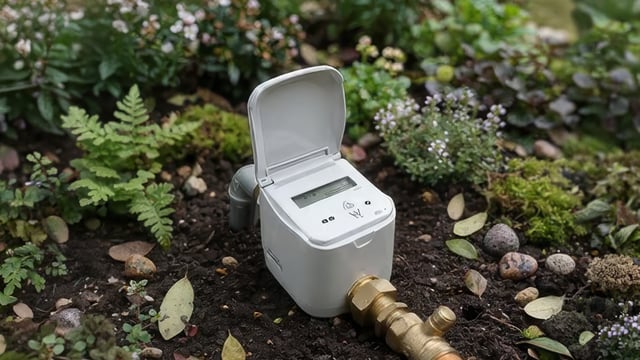
The deployment covers 20 remotely controlled valves at irrigation outlets serving gardens . A central command unit equipped with a weather station will coordinate the entire network, receiving live data from field sensors that measure soil temperature and moisture content, solar radiation, wind speed, ambient temperature, and rainfall accumulation. Irrigation scheduling adjusts dynamically based on this sensor input rather than fixed time-based cycles, allowing water delivery to match actual ground conditions.
Water Efficiency and Leak Detection as Primary Objectives
The infrastructure is designed to reduce both water consumption and the operational cost of maintaining Calp’s green spaces. Because irrigation volumes are calculated against real environmental data, the system avoids over-watering during rain events or high-moisture periods. Equally important, the network is capable of identifying anomalies in pressure or flow that indicate potential leaks within the irrigation circuit, enabling maintenance crews to act before losses escalate. The scalable design means additional zones across the municipality can be incorporated into the same platform without requiring a separate infrastructure build-out.
Integration Into a Municipal SmartCity Platform
Smart irrigation is the first of three technology verticals the council intends to connect to its municipal SmartCity platform. Smart public lighting and environmental monitoring covering air quality, pollution levels, and UV radiation indices are scheduled to follow. When all three are operational, Calp’s platform will aggregate real-time data across energy, green space, and environmental domains in a single management interface, a model increasingly adopted by Mediterranean coastal municipalities seeking to balance growing visitor volumes with resource constraints. Spain’s accelerating investment in urban digitalization was examined in Kurrant’s coverage of the country’s water digitalization PERTE programme, which drew significant private-sector participation across hundreds of municipalities.