in Barcelona
 3 to 5 Nov 2026
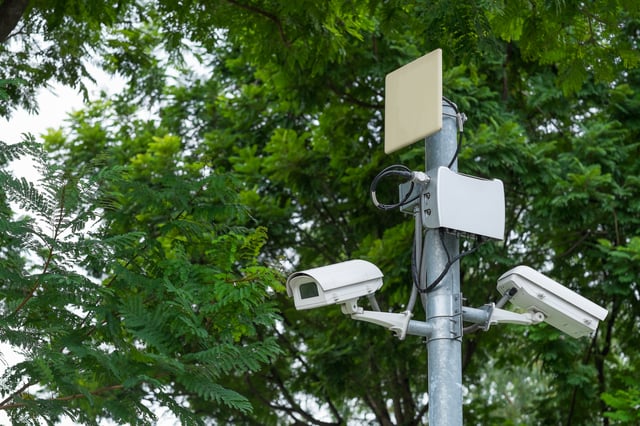
Paris police chief Laurent Nuñez has advocated for extending AI-powered video surveillance beyond the 2024 Olympic and Paralympic Games, praising its effectiveness in detecting suspicious activities. Initially tested at events like Taylor Swift’s concert and the Cannes Film Festival, this AI technolog were provided by Wintics, Videtics, and Chapsvision. Wintics secured contracts to deploy algorithms in the Île-de-France region and transportation sector, while Videtics and Chapsvision supported broader surveillance efforts, with each contract estimated at €2 million.
The AI system, which does not rely on facial recognition, was also implemented at Paris metro stations and venues during the Games to detect potential threats, such as abandoned packages or crowd movements. Nuñez highlighted the positive results and suggested extending the use of AI surveillance to future cultural and sporting events across France. However, privacy advocates remain concerned, despite assurances that the system’s use will be limited. A 2023 law authorizes the use of AI surveillance until March 2025.