Nottingham City Council has selected Cambridge-based Alchera Technologies to build an AI-powered transport data platform that will consolidate the city’s fragmented mobility datasets into a single, centralised hub.
The project falls under the Derby-Nottingham Future Transport Zone (FTZ), a programme backed by £16.7 million in grant funding from the Department for Transport (DfT). It is one of four FTZ programmes across England, alongside the West Midlands, the West of England, and the Solent region, collectively representing a £90 million national investment in transport innovation trials.
From Siloed Sensors to a Unified Mobility Picture
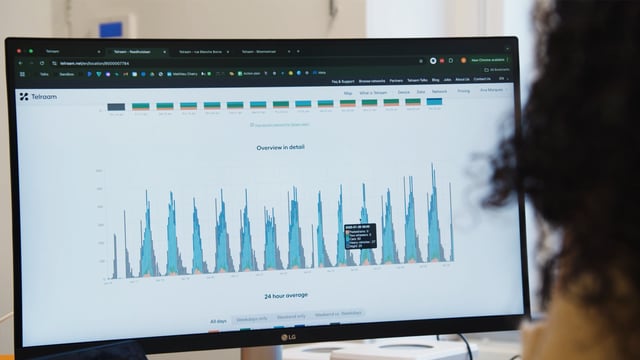
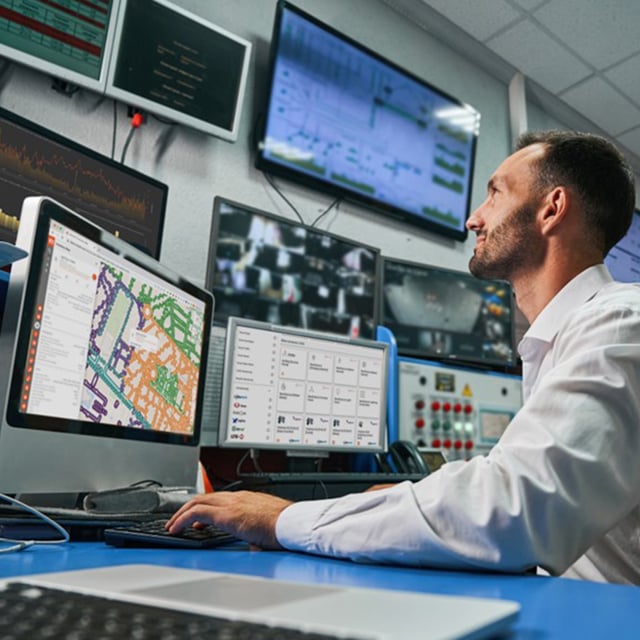
At its core, the Alchera Data Hub will aggregate data streams from fixed traffic sensors, EV charging infrastructure, bus and rail timetables, and air quality monitors into one cloud-based environment. The platform’s AI layer is designed to fuse these disparate sources into a multimodal view of the city’s transport network, supporting both real-time operational decisions and longer-term trend analysis using historical datasets.
The initiative builds on a prototype that was previously developed in collaboration with the University of Nottingham, and it extends the council’s existing sensor infrastructure, which according to the council’s own FTZ reporting is over 95% installed across the network. Automated data quality monitoring and reporting are expected to reduce the manual burden on council staff, enabling what the authority describes as a self-service model for transport policy evidence.
Why Data Integration Matters for Local Authorities
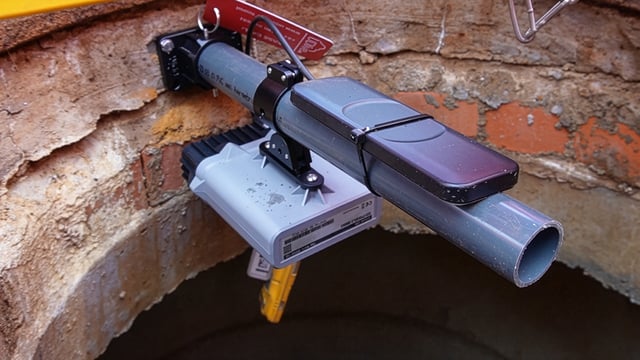
The challenge Nottingham faces is common across UK local authorities: transport data exists in multiple formats, across multiple systems, with limited interoperability. Fixed loop counters, ANPR cameras, GTFS transit feeds, and environmental sensors each generate valuable information, but without a unifying layer, turning that information into actionable policy evidence remains resource-intensive.
This is a problem that extends well beyond the UK. Across Europe, the fragmentation of urban mobility data continues to be a significant barrier to effective transport planning, as explored in depth by Kurrant in its coverage of mobility data challenges facing European cities. The technical and institutional barriers to data sharing, privacy compliance, and cross-system interoperability are familiar obstacles for any municipality attempting to become genuinely data-driven.
Alchera’s approach centres on ingesting existing data feeds rather than requiring new sensor hardware, a model it has already deployed with Oxfordshire County Council and on the M25 motorway network with Connect Plus Services and National Highways.
A Public-Facing Data Layer
Beyond internal council use, the project includes plans for a citizen-facing website that would give residents and local businesses access to selected transport data. The council envisions this as a way to increase public engagement with transport planning decisions and to demonstrate the value of the FTZ investment to taxpayers.
This open-data component aligns with a broader trend among UK authorities seeking to justify smart city expenditure through transparency and measurable outcomes, rather than technology deployment for its own sake.
Competitive Procurement and Vendor Profile
The contract was awarded through a competitive tender process concluded in 2025. Alchera Technologies, founded in 2014 by researchers from the University of Cambridge and UCL, specialises in cloud-based AI platforms for transport network operators. The company’s software fuses data from existing city sensors and camera networks to deliver real-time analytics on vehicle and pedestrian movements.
Alchera has previously worked with Cambridgeshire County Council and the Greater Cambridge Partnership on mobility data platforms, and it provides bus network analytics tools to several UK local authorities through a product available on the government’s G-Cloud procurement framework.
Nottingham’s Wider FTZ Ambitions
The data hub is one component of a broader FTZ programme that includes the deployment of neighbourhood mobility hubs combining e-bike and e-scooter hire, EV charge points, and car club access. Six initial hub sites are now operational across the city. The programme also includes the Ride app, an integrated journey-planning and payment platform covering public transport, micromobility, and car clubs across Nottingham and Derby.
Nottingham has set a target of achieving carbon neutrality by 2028, one of the most ambitious municipal climate targets in the UK. Effective use of transport data is expected to help the council identify where network interventions can deliver the greatest emissions reductions per pound invested.