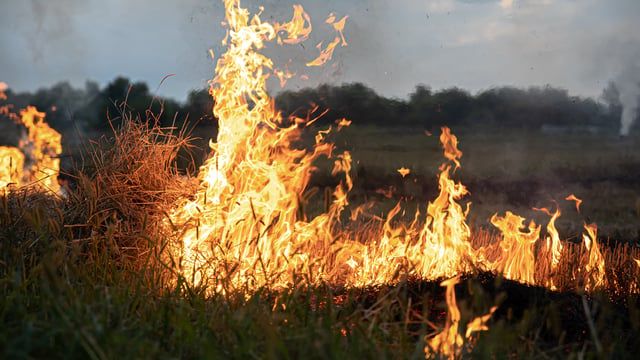
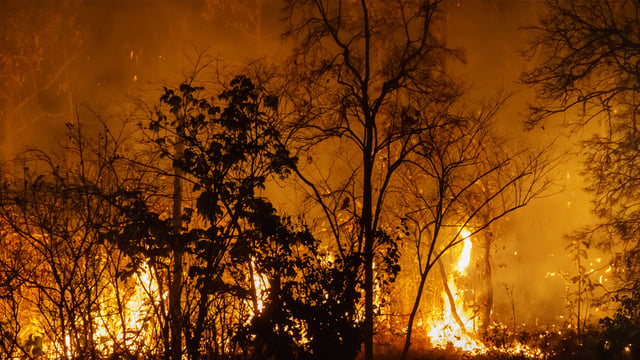
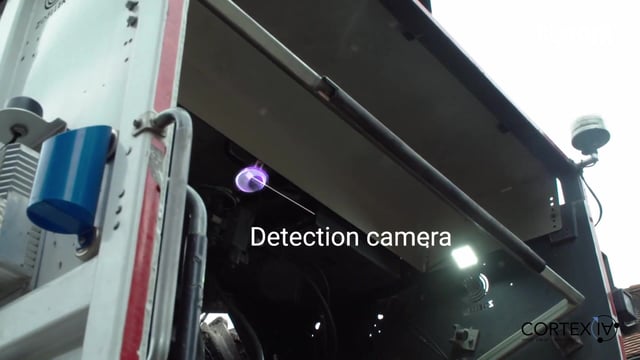
Colorado Springs Utilities has activated an AI-powered wildfire detection station at Stanley Canyon, marking the first deployment of this technology in its service territory. The station, built on hardware and software developed by Pano AI, operates west of the U.S. Air Force Academy and feeds real-time smoke alerts to a network of regional first-responder agencies the moment it detects a potential ignition.
A Sensor-First Approach to Utility Fire Risk
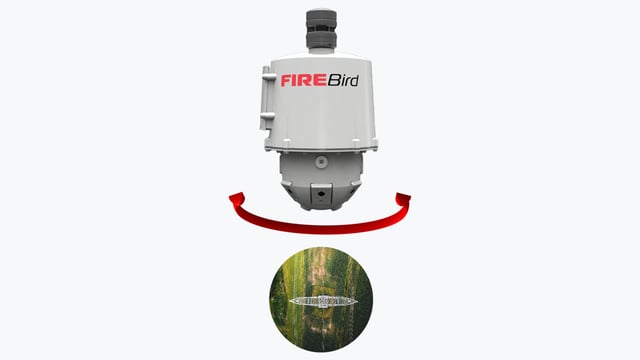
The Stanley Canyon station uses a combination of high-definition cameras and machine learning to perform continuous 360-degree panoramic scans of the surrounding terrain, day and night. The system is positioned to monitor areas around pipelines, electrical equipment, and water treatment facilities, all of which form part of the multi-service infrastructure that Colorado Springs Utilities operates across the Pikes Peak region.
Real-time data from the station is shared with the Colorado Springs Fire Department, the U.S. Forest Service, and multiple statewide emergency management agencies. The intent is to eliminate the lag that typically occurs between the first visual sign of smoke and the moment crews receive actionable intelligence.
Infrastructure Protection at the Core of the Deployment
The Pikes Peak region presents specific operational challenges for utilities. Much of Colorado Springs Utilities‘ water and electric infrastructure is situated in mountainous terrain, where access is difficult and fires can spread quickly through dry vegetation. The utility, which supplies electricity, natural gas, water, and wastewater services, has indicated its Wildfire Mitigation Plan covers the full spectrum of risk reduction, from vegetation management to infrastructure hardening.
The utility is investing approximately $41 million between 2025 and 2029 to strengthen its electric infrastructure and improve fire risk modeling across overhead lines. In 2025 alone, it allocated more than $3 million for vegetation management work near power lines. The AI station at Stanley Canyon adds a real-time detection layer to this longer-term physical mitigation program.
Pano AI’s Expanding Footprint Across Colorado Utilities
Pano AI has established itself as the leading provider of AI-based wildfire detection for utilities across the western United States. The San Francisco-based company offers an end-to-end platform, covering site acquisition, camera installation, network design, and ongoing monitoring, at an all-in annual fee of approximately $50,000 per station. Its systems are reported to monitor nearly 20 million acres globally and have detected close to 100,000 fire events.
Colorado Springs Utilities is not the first utility in the state to work with the company. Xcel Energy has deployed Pano AI stations across Routt and Moffat counties, and the cameras played a documented role in the rapid containment of the Bear Creek Fire in Douglas County in June 2024, where triangulated coordinates from two stations helped emergency crews reach a remote ignition site more efficiently. CORE Electric Cooperative has also invested in six Pano AI stations across its Colorado service area.
The broader utility AI wildfire detection trend extends well beyond Colorado. In California, Kurrant has covered the deployment of Pano AI cameras in Rancho Palos Verdes, a $700,000 project funded in part by a $1.5 million state allocation. In New Mexico, a pilot involving Pano AI and two electric utilities has begun placing stations near Albuquerque and Santa Fe.
Proven Performance and the Case for Early Detection
The operational argument for AI-based detection rests on response time compression. In a documented 2023 case in Washington State, Pano AI’s platform alerted the state fire division to the Jackson Road Fire near Olympia, shortening response time by at least 20 minutes. The fire was contained to 23 acres despite worsening wind conditions. For utilities managing transmission infrastructure across high-risk terrain, minutes of advance warning can determine whether a fire remains a local incident or escalates into a grid-threatening event.
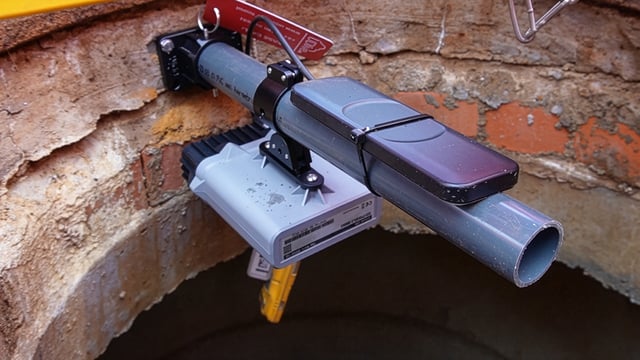
Kurrant has tracked a series of parallel approaches to the same problem across different geographies. In Hawaii, following the 2023 Maui wildfire, the U.S. Fire Administration and Department of Homeland Security partnered on a sensor-based early detection rollout using N5 technology. In the western U.S., the AI-augmented ALERTWest camera network, developed by the University of Oregon’s Oregon Hazard Lab, spans approximately 1,200 cameras and provides continuous wildfire monitoring across multiple states.
Expansion Under Evaluation
Following the Stanley Canyon activation, Colorado Springs Utilities has confirmed it is evaluating additional sites for future AI detection stations to broaden coverage across its service territory. No timeline or specific locations have been announced publicly.
The deployment fits within an established regional coordination framework. The utility already operates an in-house Wildland Fire Team trained to National Wildland Coordinating Group standards and maintains long-standing partnerships with federal land managers and local emergency services. The AI monitoring layer adds technological depth to a program built on decades of physical mitigation work, including more than 7,000 acres of fuel treatment in a single recent year.