Apa Nova Bucharest, the Veolia-backed concessionaire managing the Romanian capital’s water and sewer system, has unveiled an investment programme exceeding 49 million euros for 2026, spanning network modernisation, operational digitalisation, and a broad push toward energy self-sufficiency. The plan is being executed in coordination with Bucharest City Hall, with works running parallel to several of the municipality’s own major infrastructure initiatives.
A Long-Term Programme Enters Its Annual Cycle
The largest component of the 2026 budget, 30.6 million euros, flows through the New Mandatory Investment Programme (NPIO), a contractually obligated framework running to 2031 with a total committed value of 230.9 million euros. The NPIO focuses on expanding and renewing water supply and sewer networks across a city whose underground infrastructure now exceeds 4,900 kilometres in total length.
Among the priority civil works planned for this year are rehabilitation efforts at the A1 collector in the Tineretului–Vacaresti district, targeting the extension of storm drainage and the construction of a discharge system into the Dambovita river bed. A second-phase expansion of potable water, domestic sewage, and stormwater networks in the Lunci area is also on the 2026 schedule.
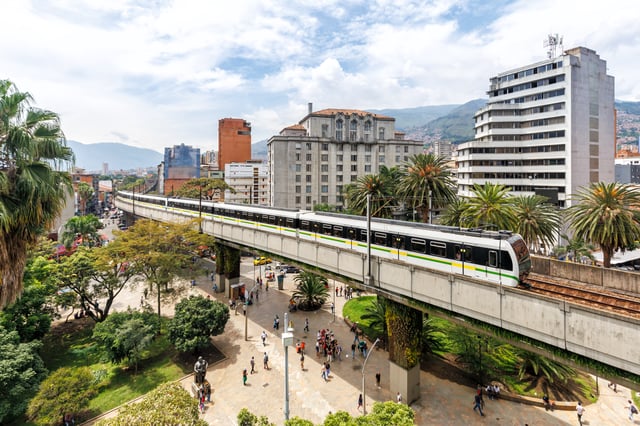
More than 12 million euros of the NPIO envelope is earmarked for utility works tied directly to Bucharest City Hall’s tram line upgrade programme, carried out in cooperation with the Bucharest Transport Company (STB). This co-investment model, embedding utility renewal into surface transport works, reduces disruption and consolidates civil works on shared corridors, an approach increasingly used in European capital cities to manage both budget efficiency and public inconvenience.
Smart Metering Rollout Continues
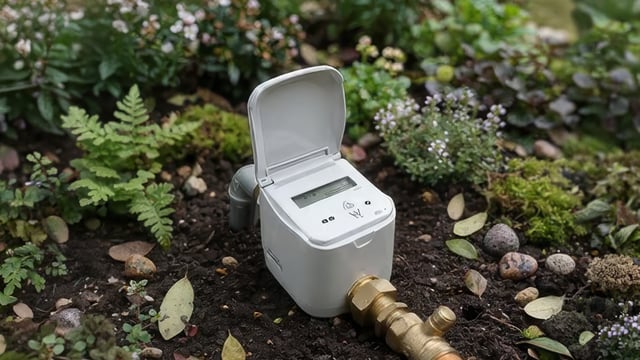
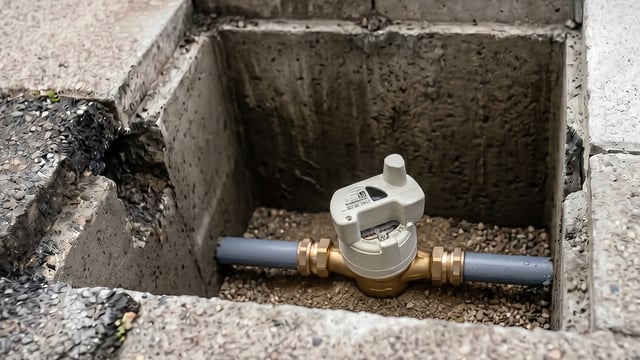
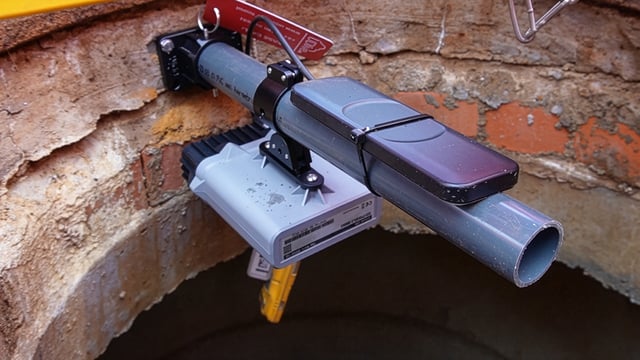
The 2026 plan allocates 1.7 million euros to further expand smart metering and remote reading systems across the network. The rollout builds on what Apa Nova describes as more than two decades of progressive digitisation since taking over the concession. Network efficiency has improved substantially over that period: current water network performance sits at around 80%, compared to approximately 50% at the start of the concession in 2000.
The metering expansion reflects a wider regional trend toward automated consumption monitoring in municipal water systems, which supports both leak detection and demand management. The cybersecurity dimension of increasingly connected water infrastructure has also drawn scrutiny across the region, as we reported on the ransomware attack that struck Romania’s National Water Authority in late 2025, which affected around 1,000 systems across the agency’s central organisation and regional offices.
Rehabilitation and Network Expansion Beyond the NPIO
Outside the mandatory programme, a further 2.5 million euros has been set aside for targeted replacement and rehabilitation of ageing drinking water and sewer pipes, alongside modernisation of hydraulic structures and associated installations. An additional 2.1 million euros covers network extension projects that fall outside the NPIO scope, addressing areas of the city or peri-urban zones where coverage remains incomplete.
Energy Efficiency and Digitalisation at Treatment and Pumping Sites
Approximately 3.9 million euros is directed toward integrating advanced equipment and technologies across drinking water production plants and pumping stations, as well as within the Glina Wastewater Treatment Plant. Planned interventions at Glina include the installation of photovoltaic panels, a biogas storage tank, and upgraded process equipment, steps that align operational assets more closely with Romania’s renewable energy obligations under EU frameworks.
Running alongside the Glina upgrades, the company expects to complete its micro-hydropower facility at the Crivina drinking water treatment station this year. Once commissioned, the installation is projected to generate approximately 5,813 MWh annually, contributing meaningfully to the plant’s own electricity balance. A separate 1.5 million euro project is simultaneously under way to integrate solar energy storage at the North and South pumping stations, enabling the sites to buffer locally generated photovoltaic output.
Investment Trajectory and Concession Context
Apa Nova, a subsidiary of the French environmental services group Veolia, has operated Bucharest’s water and sewer system under concession since March 2000, when the municipality selected Veolia, then trading as Vivendi, through competitive international tender. The concession has since been extended to 2037, with Veolia committing a total of 368 million euros in future investment under the extended terms.
Cumulative capital expenditure since 2000 reached 795 million euros by the end of 2025, according to company figures. The 2026 programme represents the continuation of that trajectory, with the NPIO providing a contractually binding structure that ties annual spending targets to long-term modernisation objectives enforceable by the municipality.