DECA Investments, the exclusive manager of the Luxembourg-domiciled Diorama Investments II RAIF, S.C.A., completed its sixth investment under that fund on June 23, 2026, acquiring a 40% stake in Dotsoft Integrated Technology Solutions S.A., a publicly listed Greek information technology company specializing in smart city platforms, IoT infrastructure, and digital transformation services. Dotsoft reported revenue of €24.8 million for fiscal year 2025, a 74.3% increase year-over-year, with EBITDA of €9.2 million and a contract backlog exceeding €50 million. Founder and CEO Anastasios Manos will retain a significant ownership interest and continue to lead the company.
Dotsoft’s Position in Greek Municipal Technology
Dotsoft was founded in 2004 and, following early work in web applications and wireless networks, shifted its focus toward smart city deployments. The company has completed more than 50 smart city engagements across Greek municipalities of varying sizes and was named Smart City Supplier of the Year at the Best City Awards 2023. Its SmartisCity platform, development of which began in 2015, is now in daily active use across more than 30 Greek cities.
The company employs approximately 150 people, the majority of them engineers, and maintains offices in Athens and Thessaloniki. In fiscal year 2025, roughly 20% of its revenue originated from contracts outside Greece, with the remainder driven largely by domestic public-sector and European-funded projects. At the time of the transaction, Dotsoft’s market capitalization on the Athens Stock Exchange Alternative Market (EN.A. Growth) was approximately €90 million.
SmartisCity Platform Architecture and Vertical Coverage
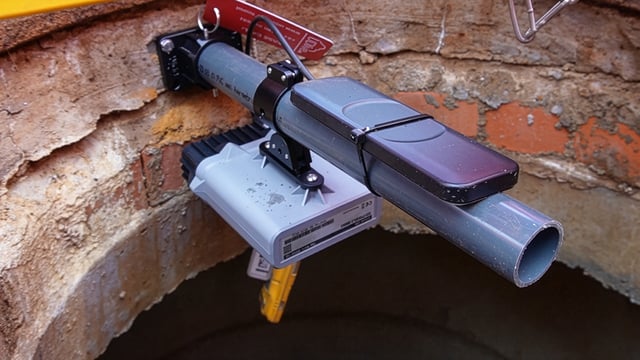
Dotsoft’s SmartisCity platform functions as a unified data hub that collects, manages, and analyzes real-time streams from multiple city subsystems, providing municipal operators with dashboards and business intelligence tools for evidence-based decision-making and public service optimization. The platform’s smart city layer relies on IoT sensors for continuous monitoring of critical urban parameters, enabling process automation, lower operating costs, and more efficient resource utilization.
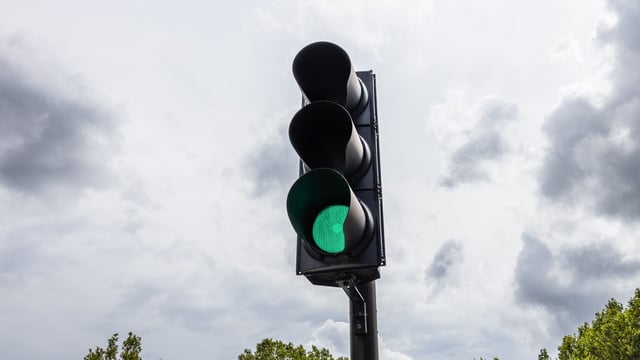
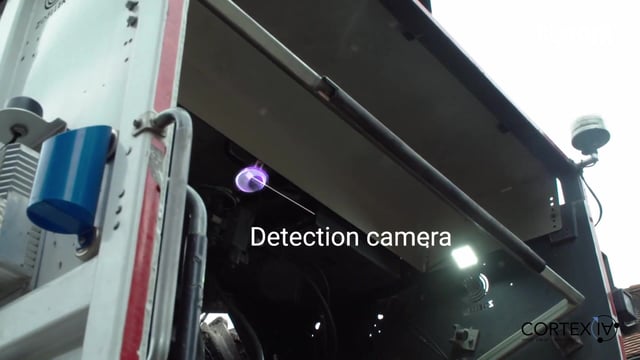
Active verticals within the platform’s scope include waste management, energy and water resource management, and intelligent infrastructure management. Recent municipal deployments have included traffic information systems using smart sensors and radar devices to collect real-time traffic data, with the system providing municipal managers with travel-time analysis, congestion monitoring, and routing alternatives.
Diorama II Fund Structure and Investor Base
Diorama Investments II RAIF, S.C.A. was established in Luxembourg in April 2022 and targets controlling or large minority stakes in mid-sized Greek enterprises. Its investors include international financial institutions, sovereign wealth funds, and both Greek and global institutional investors. Combined across Diorama I and Diorama II, DECA Investments manages approximately €135 million in assets, with key limited partners drawn from development finance institutions, family offices, insurance firms, and banks. DECA has indicated that Diorama II’s funds under management are expected to exceed €200 million following the final disposal period.
The Dotsoft transaction represents the sixth investment completed under the Diorama II vehicle. DECA is regulated by the Hellenic Capital Market Commission, and Diorama I and II operate under the oversight of Luxembourg’s Commission de Surveillance du Secteur Financier (CSSF).
Private Sector Pivot and International Expansion Roadmap
Anastasios Manos, Chairman and CEO of Dotsoft, stated in the company’s June 2026 announcement: “The entry of Deca, a strong institutional investor, is a vote of confidence in the company’s course, our team, and the prospects of the market in which we operate.”
Greek financial outlet Business Daily reported that Dotsoft’s 2026 international pipeline includes contracts targeting municipalities in Sofia (Bulgaria), Issy-les-Moulineaux and Grenoble (France), Pilsen (Czech Republic), and Prijedor (Bosnia-Herzegovina). This geographic spread reflects a deliberate push into Central and Eastern European municipal markets, where EU cohesion and digital transition funding is driving demand for managed smart city platforms.
Alongside the international expansion, Dotsoft’s three-year business plan calls for a deliberate shift of its existing public-sector product portfolio toward private-sector clients, a move that DECA’s institutional network is expected to facilitate. The company also intends to use the partnership to develop new software products and platforms covering smart city, artificial intelligence, data, and business intelligence applications, and to pursue further acquisitions.
Market Context: Greek Tech and the Post-Recovery-Fund Cycle
Greek IT sector observers have noted that the conclusion of the EU Recovery and Resilience Facility cycle in 2026 is prompting a wave of consolidation and acquisition activity in domestic technology, with defense, AI, and cybersecurity as the primary focus areas for investment. Dotsoft’s revenue trajectory over fiscal year 2025 placed it among the faster-growing listed technology companies on the EN.A. Growth segment, and its backlog gives it visibility well into the current business plan period.
Greek financial media highlighted Dotsoft’s approximately €50 million contract backlog and its strategic position in smart city digitization as the primary assets that attracted Diorama II’s interest. The transaction is structurally consistent with Diorama II’s mandate to back profitable, high-growth mid-market companies while preserving founder leadership, a model DECA has applied across its broader portfolio of ten completed investments in sectors including technology, pharmaceuticals, agribusiness, consumer goods, and industrials.