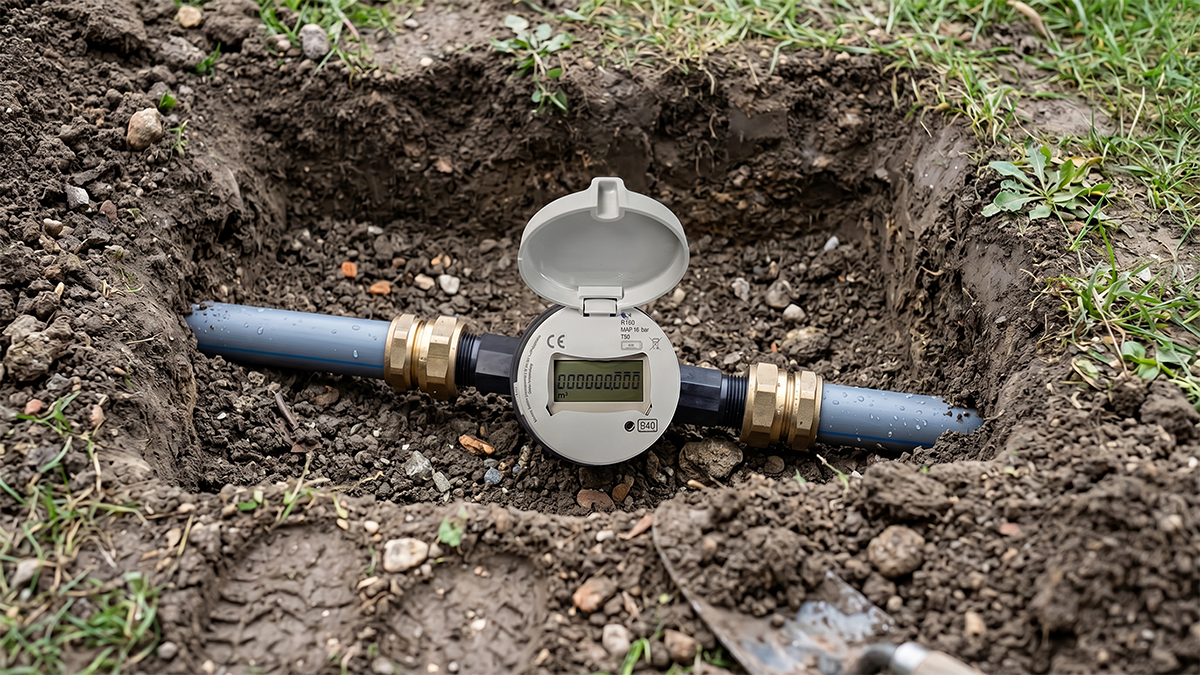
La Communauté de Communes La Domitienne (CCLD), an eight-municipality intercommunality of roughly 28,000 residents located west of Béziers in the Hérault department, has contracted SUEZ Eau France to deploy connected water meters across its distribution network under a 10-year multi-service concession that took effect on March 2, 2026. The concession, approved by deliberation n°25.067.3 on April 10, 2025, covers both drinking water supply and collective sanitation and includes a contractually mandated smart metering programme totalling approximately €1.36 million, to be completed by the end of 2027.
A New Concession Structure For Water And Sanitation
The agreement replaces CCLD’s prior operating arrangements and consolidates water and sanitation services under a single concession framework aligned with the French public procurement code and EU Directive 2014/23/UE on concession contracts. Six communes enter the concession immediately, while one more, which includes a seasonal coastal zone, joins the perimeter on January 1, 2028, owing to the added operational complexity of its beach resort infrastructure. SUEZ’s regional presence is anchored through its Domitienne-Pays Bittérois agency, with the company’s South-West Mediterranean regional directorate, based in Béziers, providing technical and operational oversight.
Smart Meter Investment Built Into The Contract From Day One
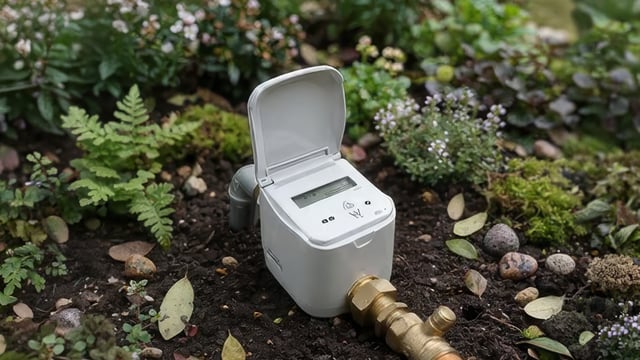
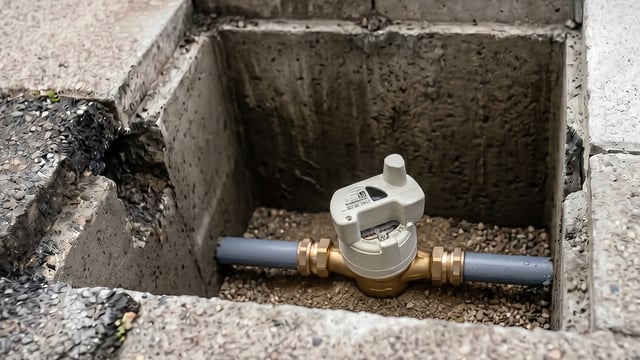
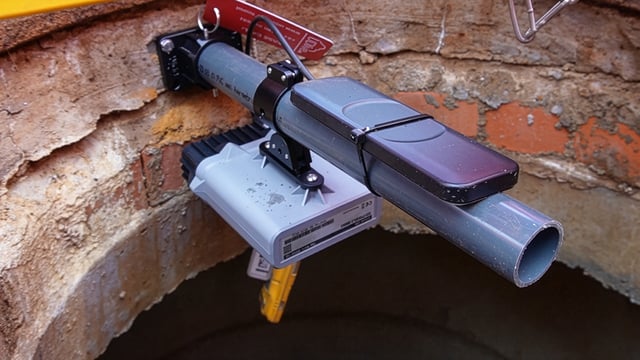
The contract annexes specify a capital deployment for subscriber meters and radio transmitters valued at €1,233,076, alongside a dedicated communications network investment of €131,008, both scheduled across 2026 and 2027. These figures are disclosed as mandatory concessionary investments, meaning SUEZ finances the rollout within its remuneration rather than billing the intercommunality separately. The rollout is complemented by €123,168 for 160 acoustic pre-localizers (known as Netscan/IACoustic systems), €111,233 for five sectoring meters and two pressure regulators, and €4,548 for ten real-time hydrant-take alerts, all targeted at reducing non-revenue water before the remote reading network is fully operational.
Technical Framework: From Subscriber Meters To Network Sectorisation
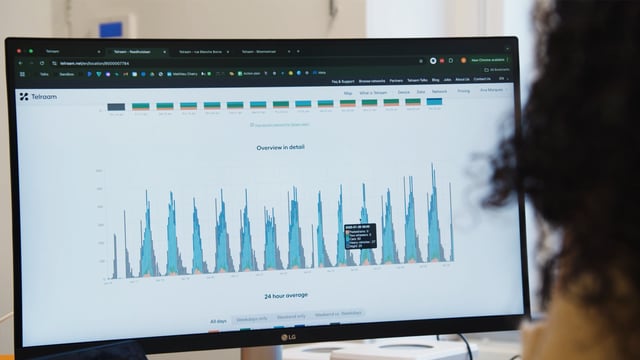
Remote reading of subscriber meters (télérelève) is codified in Article 57.4 of the concession contract and must be executed in accordance with SUEZ’s ON’connect metering platform, which the company deploys across more than seven million smart water meters globally. The platform aggregates daily consumption data through radio transmitters attached to subscriber meters, forwarding readings to SUEZ’s secure data processing infrastructure. On the network management side, the five new sectoring meters feed a hydraulic model of the drinking water network under Article 29.3, enabling pressure zone analysis and loss accounting at the sector level rather than relying solely on aggregate annual figures. The 2024 annual performance reports for Maureilhan and Lespignan recorded non-revenue water linear loss indices of 5.3 and 4.2 cubic metres per day per kilometre of network respectively, benchmarks that the connected infrastructure is designed to drive down over the concession period.
SUEZ’s ON’connect Platform And Wize Connectivity
SUEZ’s deployment in La Domitienne sits within a broader national infrastructure strategy. In November 2024, as reported by Kurrantly News, SUEZ signed a 10-year agreement with IOWIZMI, a subsidiary of GRDF, to leverage GRDF’s 169 MHz Wize network for water meter reading across France. This arrangement allows SUEZ to run its ON’connect solution over a shared radio infrastructure originally built for 11 million smart gas meters, reducing the cost and complexity of deploying proprietary fixed-network receivers in territories where coverage already exists. La Domitienne’s concession contract does not specify a connectivity protocol by name, but the combination of fixed infrastructure and daily data collection is consistent with SUEZ’s national Wize-based rollout model, which competes with LoRaWAN-based deployments increasingly favoured by other operators and municipalities.
France’s Smart Meter Rollout: National Context And 2030 Targets
La Domitienne’s concession reflects a structural shift in how French intercommunalities manage drinking water. France currently has around 25 million water meters installed, of which five million are connected to a remote reading infrastructure, a number that has tripled over the past decade and is expected to double again by 2030. LoRaWAN and Wize have emerged as the two dominant connectivity technologies for water meter remote reading in France, with industry analysis indicating a strong market preference for both approaches over NB-IoT. Water agencies (Agences de l’eau) are eligible to co-finance projects of this type, with subsidy rates reaching up to 70 percent in zones classified as under water resource stress. La Domitienne sits within the Rhône-Méditerranée-Corse basin, a region subject to significant seasonal pressure on water resources and historically served, for bulk supply, by the Aqua Domitia programme operated by BRL on behalf of the Occitanie region.
Broader Smart Infrastructure Commitments Under The Concession
Beyond metering, the CCLD-SUEZ concession includes a mandatory geo-referencing programme for all network assets (€197,064, to be completed by 2028), an AI-based predictive operations solution for five pumping stations (€18,618 in 2027), and the deployment of the Purecontrol AI optimisation platform across the sanitation treatment plants of Colombiers, Lespignan, Maraussan, Maureilhan, Montady, Nissan village, and Vendres village (€4,723, phased 2026–2028). These commitments reflect a wider trend in French water concession design, in which digital infrastructure is no longer treated as an optional performance lever but written directly into contract specifications and penalised if not delivered on schedule. The ten-year duration of the concession gives SUEZ a sufficiently long horizon to recover its investment in smart infrastructure while giving CCLD enforceable milestones from the outset.