Via Appia Concessões S.A., the São Paulo highway operator backed by asset manager Starboard, has begun a six-month trial of Valerann’s Lanternn traffic management platform on about 32 kilometres of the 307-kilometre Rodovias das Colinas concession in São Paulo state. The trial integrates 11 CCTV cameras with existing sensor data, the two companies announced on 28 September 2026.
Eleven Cameras, One Operator Screen
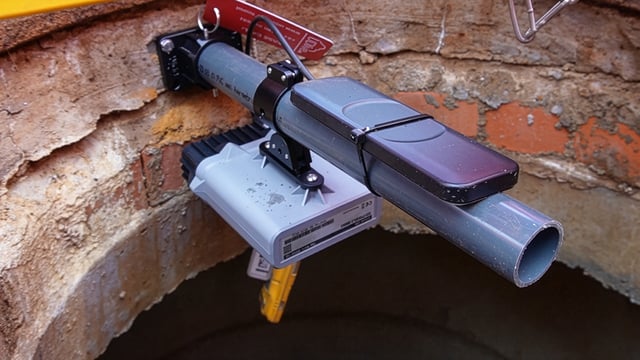
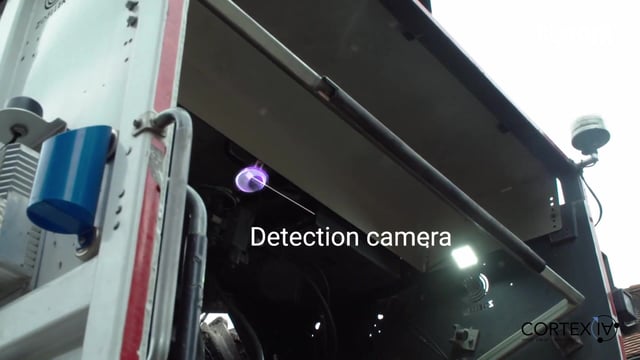
Lanternn combines camera feeds, traffic sensors, patrol reports and third-party data into a single operational view, according to the Valerann release. It uses data fusion and computer vision to detect and prioritise incidents without changing existing workflows or adding roadside equipment.
Operators on the corridor currently monitor separate systems and correlate alerts manually. The trial will measure detection accuracy, detection speed and system reliability against performance targets the companies have not published, alongside operator feedback on usability.
Neither company has disclosed which of the concession’s highways the 32-kilometre section sits on. The contract value and the start date of the trial have not been published either.
“This trial marks Lanternn’s first deployment in Brazil and an important step in Valerann’s expansion across Latin America,” said Gabriel Jacobson, Chief Executive Officer of Valerann, in the company’s September 2026 press release.
The two companies will review results jointly. If the trial is confirmed, it moves to a 12-month operational deployment, with the aim of extending the platform across the whole Rodovias das Colinas network.
Brendon Ramos, Chief Executive Officer of Via Appia Concessions, said in the same announcement that the operator expects the partnership to produce significant results for Brazil’s highway concession sector. He did not specify which operating metrics the operator intends to improve.
A Concession With 21 Months Left To Run
Rodovias das Colinas S.A., headquartered in Itu, operates five highways: SP-075, SP-127, SP-280, SP-300 and SPI-102/300. The network crosses 17 municipalities, including Campinas, Sorocaba, Indaiatuba and Jundiaí, under a contract regulated by the São Paulo state transport agency ARTESP.
The concession began operations on 2 March 2000 and, after a 100-month extension signed in 2006, runs to 2 July 2028, according to the company’s 2021 interim financial statements. A six-month trial followed by a 12-month deployment would therefore conclude close to contract expiry, unless the term has since been extended.
Via Appia took control of the concession on 27 May 2024 as part of its purchase of AB Concessões assets from Grupo Bertin and Mundys. That transaction was valued at R$3.5 billion, including a R$1.5 billion upfront payment, according to Economic News Brasil.
In 2024 the Colinas concession carried 69.8 million equivalent vehicles, up 6.4%, and reported net revenue of R$847.1 million and adjusted EBITDA of R$681.5 million, according to its fourth-quarter 2024 results. The average of about 40,000 vehicles a day cited in the trial announcement is a company-supplied figure.
Via Appia’s wider portfolio covers 1,422.8 kilometres across four concessions in São Paulo and Minas Gerais, according to the operator’s website. The largest are Via Tietê at 701 kilometres and Via Nascentes at 371 kilometres.
Capital works on the Colinas network to date include 98 kilometres of additional lanes, 123 kilometres of duplicated carriageway, 12 viaducts and bridges and 16 pedestrian overpasses, according to Via Appia, so the trial adds a software layer to a corridor whose physical capacity has already been expanded.
Valerann’s Latin American Record Rests On Vendor Figures
Valerann was founded in 2016 and has offices in London and Tel Aviv. It raised a US$17 million Series A round led by HG Ventures in February 2022, and in March 2025 was awarded a €3.6 million contract co-funded by the European Space Agency to develop a satellite-based version of its platform.
Its Latin American deployments include an 89-kilometre section of Autopista Costa Arauco in Chile using nine cameras from December 2022, and Ruta 27 in Costa Rica in 2023. It also covers 25 kilometres of the Lima Expresa network in Peru, which the company says carries 200,000 vehicles a day.
The company’s case studies page reports a 34% reduction in crashes involving death or serious injury in Chile and a 14% reduction in Peru. Those figures are vendor-supplied and have not been independently audited.
In Europe, Valerann has moved from a 40-kilometre pilot to the full 196-kilometre Ionia Odos motorway with Greek operator Nea Odos, as Highways News reported in May 2026. The Colinas trial is designed to follow the same pilot-to-network sequence.
The company is also running a 12-month pilot with Autostrada del Brennero on 87 kilometres of Italy’s A22 motorway between the Brenner Pass and Bolzano South, another case where a toll concessionaire is testing the platform before any network-wide commitment.
São Paulo’s Highway Death Share Rose From 30% To 41%
The trial comes as road safety on state highways draws closer scrutiny. Highways accounted for 41% of São Paulo state traffic deaths in 2024 against 30% in 2015, and a state road safety plan targets a 50% cut in deaths by 2030, according to Diário do Transporte.
ARTESP oversees about 12,000 kilometres of concessioned highways, according to Diário do Transporte. At federal level, the Ministry of Transport and ANTT held 13 highway auctions in 2025 covering 6,200 kilometres and R$135 billion in committed investment, according to Agência iNFRA.
Camera analytics on regional highway networks are spreading in other markets. Kurrantly reported in July 2026 on the Community of Madrid’s €5.3 million highway camera network, procured by a regional authority rather than a concessionaire.
The trial announcement does not state the detection threshold that would count as success. With the concession due to expire in July 2028, it also leaves open whether a network-wide rollout would be a procurement decision for Via Appia or for whichever operator ARTESP places on the corridor next.