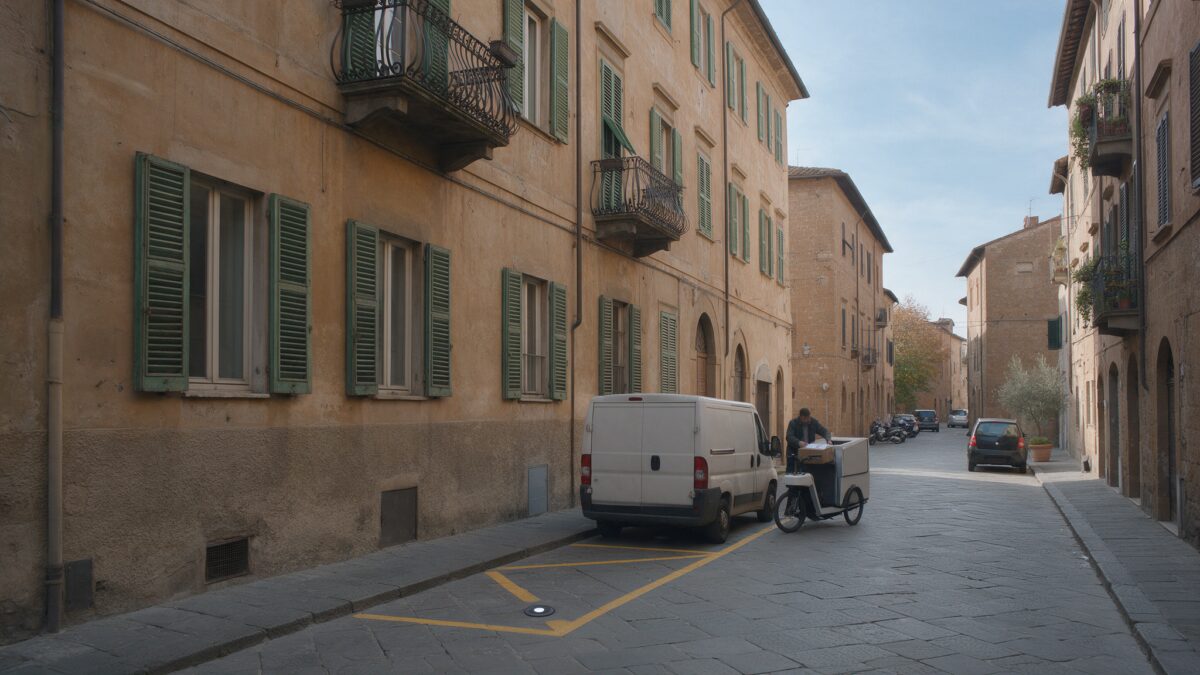
The Comune di Firenze, the municipality of Tuscany’s regional capital, has installed 80 in-pavement sensors in goods loading and unloading bays across its historic centre and opened a temporary micro-hub where parcels move from vans to cargo bikes, La Nazione reported on October 1, 2026. Both trials run under UNCHAIN, a Horizon Europe urban freight project with a total budget of €8,356,151.61, in which the city receives €660,000 of EU funding. The sensor network reports bay occupancy over NB-IoT, while the micro-hub in Piazza Annigoni opened on August 31, 2026 for a planned 180 days.
Eighty Sensors Across 31 Delivery Locations
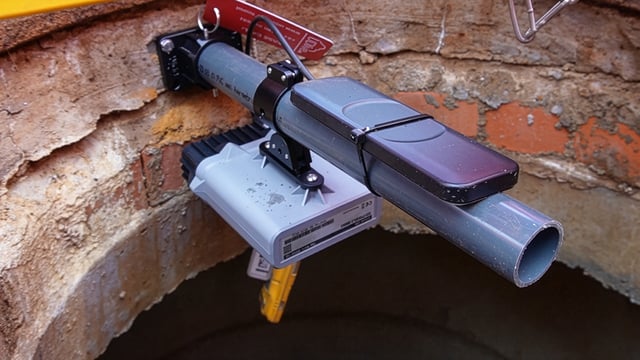
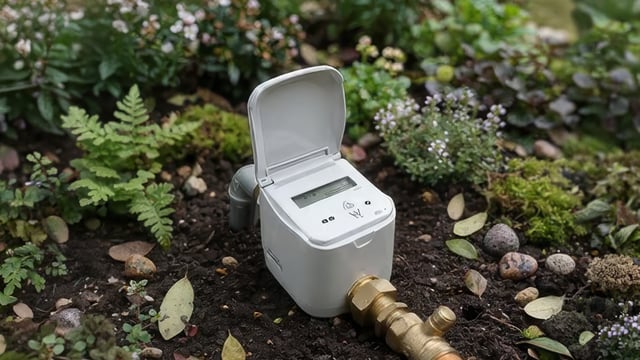
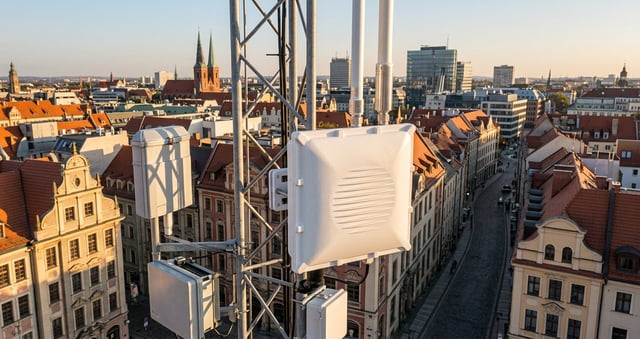
The sensors are embedded in the road surface and detect whether each bay is free or occupied, which also allows the system to calculate how long each delivery vehicle stays in the bay. Readings travel over NB-IoT cellular links to a control centre and are collected in a dashboard, according to La Nazione. Using NB-IoT lets each in-pavement unit report over existing mobile networks without the city installing dedicated gateways, at the cost of a recurring connectivity fee for every device in service.
The 80 units are spread across 31 streets and squares on both banks of the Arno, from Piazza Stazione and Via Nazionale to Borgo Ognissanti, Piazza dei Ciompi and the Oltrarno streets around Piazza del Carmine and Via Romana. That works out to an average of fewer than three sensors per location, consistent with instrumenting existing loading bays rather than whole kerbsides.
The trial is led locally by Servizi alla Strada, the city-owned company responsible for road services, La Nazione reported. Neither the city nor the company has named the sensor supplier or disclosed the cost of the deployment.
For now, the data is being used for statistical and trial purposes. The city intends to use it later to judge how loading bays are allocated and how effective enforcement is, and drivers are expected eventually to be able to find free bays and plan stops in advance rather than circling.
A 180-Day Transfer Point For Cargo Bikes
The micro-hub sits in Piazza Annigoni beside the Mercato delle Pulci flea market, opposite the University of Florence’s Santa Verdiana building. Medium-sized vans and box trucks drop parcels there for transfer to cargo bikes for the final leg into the centre.
The temporary installation consists of a remotely monitored 2.50 by 7 metre loading bay, a prefabricated unit for storing parcels and a new vehicle entrance from Via della Mattonaia fitted with a motorised barrier, the city said in its August 29 announcement.
“The aim of the project is to improve the efficiency of the goods distribution system and the environmental quality of our historic centre, reducing congestion on the roads and improving the quality of the air we breathe,” said Andrea Giorgio, Florence’s councillor for mobility, roads and tramways, in the city’s August 2026 press release (translated from Italian).
The city’s August announcement referred only to “the logistics operator participating in the trial”. On September 22, Mobilità News reported that UPS is running electric-assist cargo bikes from the Piazza Annigoni hub as part of the trial. United Parcel Service Italia is a funded UNCHAIN partner, with an EU contribution of €198,423.75.
According to the same report, the pilot tracks operational productivity, route kilometres and vehicle load factors, comparing consolidated cargo-bike rounds with conventional van deliveries. The trial also feeds into a new urban logistics plan that the city is preparing with the local Chamber of Commerce. The number of cargo bikes deployed and the daily parcel volumes have not been published.
Inside A €8.4 Million European Freight Data Project
UNCHAIN, short for “Urban logistics and planning: anticipating urban freight generation and demand including digitalisation of urban freight”, started on May 1, 2023 and is scheduled to end on October 31, 2026, according to the European Commission’s CORDIS database. It is coordinated by Spanish company ETRA Investigación y Desarrollo and receives €6,955,273.50 from the EU.
The project aims to build a standardised data exchange between public authorities and logistics operators across ten European cities. Madrid, Berlin and Florence serve as its main living laboratories, and Italian partners also include Trento-based Municipia, which receives €390,703.25.
Florence’s €660,000 share is the largest of the three Italian partners’ allocations, and the city has not said how it is split between the sensor network, the micro-hub and its other UNCHAIN work. Either way, it is a modest budget for testing whether occupancy data and a single transfer point can change delivery behaviour in a historic centre with tight access rules.
How The Florence Trial Compares
Florence is not the first city to put sensors in delivery bays. In June 2024, Kurrant reported that Nashville had launched Smart Loading Zones with Automotus, which use sensors to manage kerb access and charge vehicles for time spent.
Closer to home, Reggio Emilia deployed 36 Urbiotica parking sensors for a parking guidance pilot in 2025. Florence’s 80 units are dedicated to freight bays rather than general parking. Unlike Nashville’s scheme, Florence has not said whether occupancy data will be tied to payment or fines.
A Pilot That Outlasts Its Funding
The calendar is tight. The micro-hub’s 180-day trial runs to around the end of February 2027, while the UNCHAIN grant period closes on October 31, 2026, four months earlier.
The city has not said who will pay to keep the micro-hub and the sensor network running after the EU funding ends. The more consequential question is whether dwell-time data from the 80 bays will be used only to redraw the loading map or also to fine vans that overstay. That choice will decide how delivery operators respond to the sensors, and therefore whether the trial produces evidence that congestion in the historic centre actually falls.