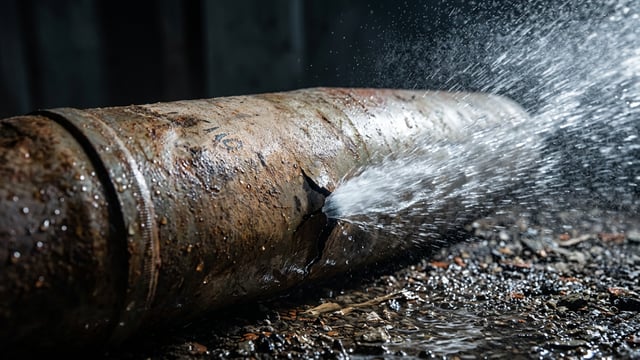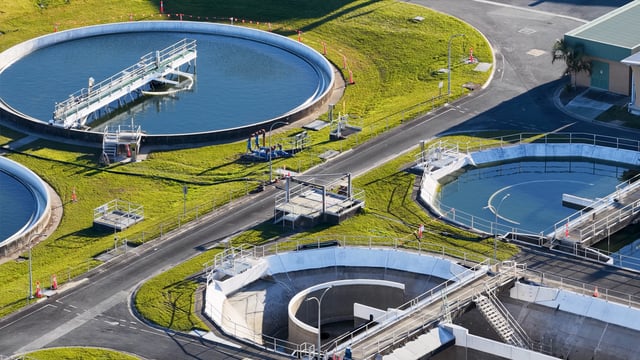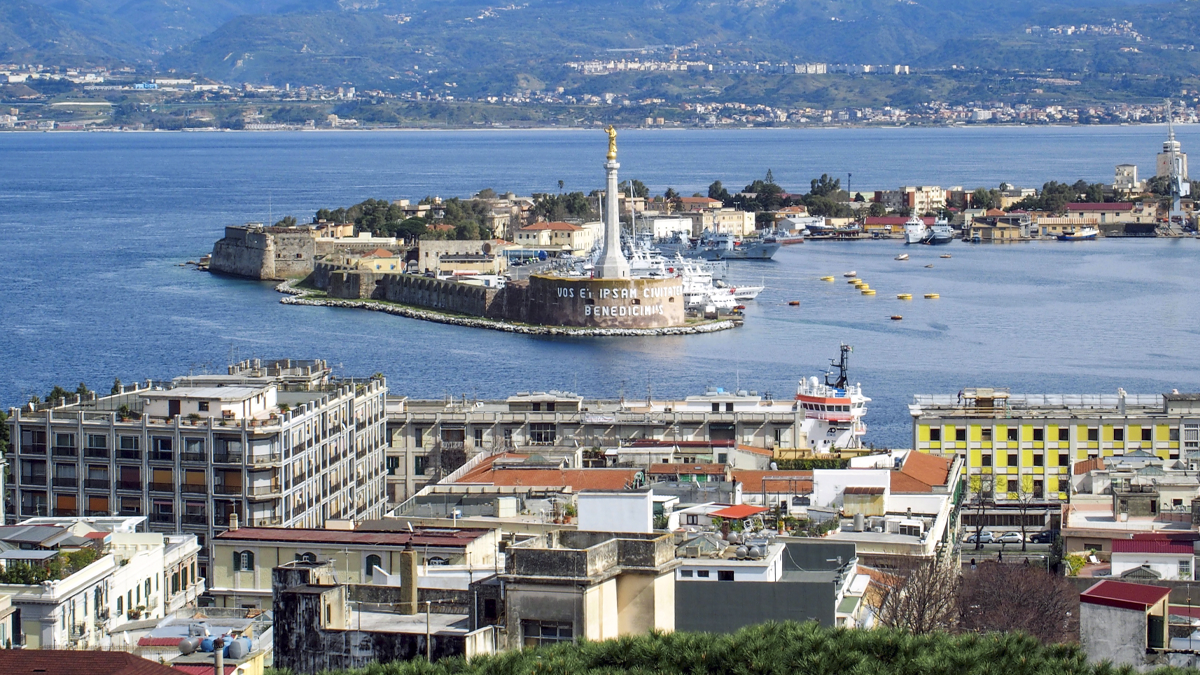
Azienda Meridionale Acque Messina (AMAM), the in-house utility that runs the water service in Messina, has finished construction on a roughly €21 million programme to modernize and digitalize the city’s distribution network, and the project has moved into technical testing and financial reporting ahead of a year-end deadline tied to European recovery funds. The work, financed under Italy’s National Recovery and Resilience Plan (PNRR), targets one of the highest leakage rates among Italian provincial capitals, historically around 53 percent, in a city that has faced chronic supply shortages across several districts. Progress was confirmed in the latest Cohesion Policy monitoring update published in recent days.
Why Messina Stands Alone Among Sicilian Cities On This Funding Line
Messina is the only city in Sicily to have secured this specific PNRR line dedicated to leakage reduction in distribution networks, drawn from Mission 2, Component 4 of the plan managed through Italia Domani. Tender documentation from AMAM puts the contract value at €21,202,721.12, with the works assigned to contractor Siciltecnoplus and the site formally handed over in March 2024.
“Messina is the only Sicilian city, among those without a single area-wide management authority, to have obtained over 21 million euros in PNRR funds for the reduction of water losses,” said Federico Basile, Mayor of Messina, in AMAM’s published account of the utility’s 2018 to 2026 investment programme.
District Metering And GIS Leak Detection Replace A Patchwork Grid
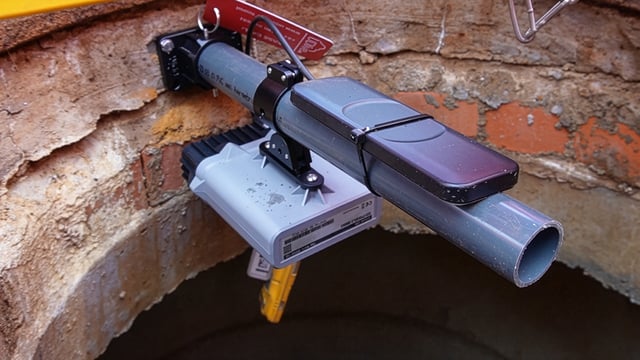
Beyond swapping out aged and damaged pipes, the core of the intervention is structural. The network has been carved into isolable “water districts,” or district metered areas, controlled remotely through motorized valves and flow sensors so that technicians can seal off a faulty zone without cutting supply to entire neighborhoods.
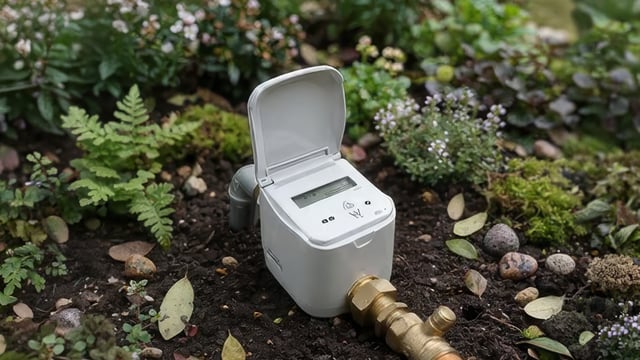
The programme also introduces smart metering in the city center, with meters supporting real-time remote reading of consumption, specified at metrology class R160 for higher measurement reliability. Underground assets have been mapped into an asset management platform that allows operators to pinpoint micro-leaks that are invisible on the surface.
According to AMAM, the physical replacement covers roughly 150 kilometres of tertiary network, split between the northern zone (about 69.9 km) and the southern zone (about 79.5 km), each divided into eleven operational areas. The grid-pattern construction that reshaped traffic along Viale San Martino, Piazza Cairoli and the Lombardo district has now been completed.
The Real Deadline Is Administrative, Not Technical
Functional testing of the new valves and remote-control systems takes only weeks to confirm that the districts communicate correctly with the central plant. The heavier lift is the reporting.
By December 31, AMAM must settle final balances with the contractors, close the accounts, and upload every invoice and technical report to the ministerial ReGiS platform, the mandatory step to certify the works and definitively secure the European funding.
From 53 To 38 Percent: The Numbers Behind The Target
The project aims to cut the city’s dispersion rate by roughly 15 percentage points, bringing overall losses down from a historical 53 percent toward an average of 38 percent. In volume terms, the efficiency gain is expected to save 1.5 million cubic metres per year at source, translating into 1 million cubic metres of recovered water delivered to households.
The benefits are set to arrive gradually rather than all at once. AMAM expects the first districts in the center and outlying villages to activate between October and November, with automatic pressure regulation smoothing surges and improving flow stability, while consolidated savings should materialize during 2027 once remote monitoring and smart meters are fully operational.
How Messina Compares To Italy’s Wider Leakage Crisis
The city’s problem mirrors a national one. ISTAT reports that Italy lost 42.4 percent of the water fed into distribution networks in 2022, the worst figure in the European Union, against roughly 20 percent in France, 23 percent in Spain and the United Kingdom, and single digits in Germany and the Netherlands. Losses in Southern Italy run closer to 50 percent, and provincial capitals such as Siracusa exceed 65 percent, which places Messina’s 53 percent above both the national average and the capital-city average of 35.2 percent.
Digitalization is increasingly the lever utilities reach for. In the United Kingdom, Southern Water signed a £338 million, 20-year smart metering contract to replace more than one million meters by 2030, an indication of the scale at which advanced metering infrastructure is now being procured across Europe. Messina’s PNRR project sits at the smaller municipal end of that trend but follows the same logic of pairing pipe renewal with district metering and remote reading to attack non-revenue water.
What Still Has To Happen Before 2028
Continuous, round-the-clock supply by 2028 depends on parallel works already funded or under way through other national and European channels. These include efficiency upgrades to the city’s northern reservoirs (Trapani, San Licandro, Torre Vittoria and Ciccolo) and southern reservoirs (Mangialupi, Santo, Gonzaga and Noviziato), optimization of pumping at the Bufardo Torrerossa complex, and a major external link between the Montesanto, Tremonti and Torre Faro reservoirs.
Only when the digitalized internal network operates in tandem with those upgraded reservoirs will taps run without interruption throughout the day. Until then, the completed PNRR works represent the digital backbone on which continuous supply is meant to rest.