in Barcelona
 3 to 5 Nov 2026
The Technological Innovation Zone (ZIT) project in Jaén aims to modernize city infrastructure with advanced technologies, enhancing daily operations. The project, now in its third phase with a budget of €7 million, involves significant upgrades:
- Infrastructure: Installation of almost 130 kilometers of fiber optics and deployment of 51 smart poles, with a third already operational.
- Surveillance and Monitoring: Placement of 115 smart cameras provides panoramic city views without sanctioning.
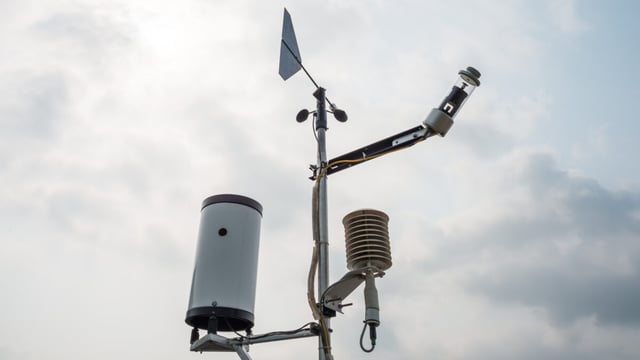
- Environmental Monitoring: Measures polluting gases and noise to support the Low Emissions Zone.
- Traffic Management: Modernizes lighting, traffic lights, and fountains. Technologies allow traffic light priority for ambulances and adjustments during events.
Managed by the Indra-Alisea joint venture, the project focuses on non-penalizing advancements across four key city zones: the fair area, tourist/commercial districts, residential areas, and industrial estates, with control centered at the Local Police Station. These technologies are expected to streamline city operations, improve public transport times, and enhance overall urban management.