in Barcelona
 3 to 5 Nov 2026
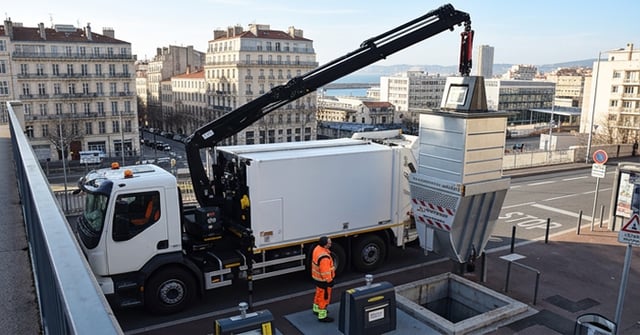
The City of Dallas has approved an annual operating budget of US $853,000 to outfit 50 sanitation trucks with cameras powered by the system developed by City Detect, an Alabama-based startup that uses computer vision to identify code violations such as graffiti, illegal dumping and high weeds.
The initiative is set to make Dallas the first city in Texas to adopt this proactive camera-based AI enforcement for nuisance code violations. In a pilot run lasting four days, it was reported that the system flagged more than 3,000 potential violations with approximately 95 % accuracy.
Under the program, images captured by the cameras will include GPS coordinates and will be forwarded to the city’s Dallas Code Compliance Department for review by staff. The city will maintain human-in-the-loop oversight rather than allowing purely automated enforcement.
City officials emphasise that no expansion of staff is currently planned as part of the rollout; instead, existing personnel will shift focus from street patrol to reviewing the AI-flagged detections. The agreement with City Detect is still being finalized, with the operational rollout targeted for early 2026.
The program raises important questions around resident privacy, data-handling procedures and transparency of use. Although the cameras will capture public right-of-way areas, advocates urge that residents be informed about what the technology sees and how the data will be used.