in Barcelona
 3 to 5 Nov 2026
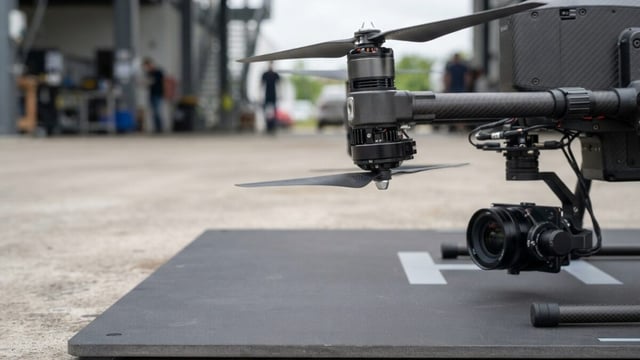
The Knoxville Police Department began sending drones to 911 calls on 19 November 2026, flying them remotely from its Real Time Information Center in Tennessee’s third-largest city. The department says each dock covers a radius of about two miles and that a drone can reach almost any part of Knoxville in 90 seconds or less.
Why: Live Video Before Officers Arrive
KPD says the drones give responding officers live video of a scene, so they can judge the risk before they get there. Department spokesperson Scott Erland told WVLT that other agencies have used drones to establish that an officer was not needed at a call, which reduces the load on patrol staff.
The limits are written into the department’s Unmanned Aircraft SOP, revised on 6 November 2026. It states that drone-as-first-responder (DFR) aircraft do not perform facial recognition or collect automatic licence plate reader (ALPR) data. It also bans weapons of any kind on the drones and restricts flights to the uses allowed by Tennessee’s Freedom from Unwarranted Surveillance Act.
Local politics explain the emphasis. The Knox County Commission voted 11-0 on 31 August 2026 to remove about 143 plate-reading cameras, mostly supplied by Flock Safety, that the county sheriff’s office had installed, after commissioners raised privacy and transparency concerns, the Farragut Press reported. KPD is a separate agency, and the drone policy does not cover its own fixed and mobile plate readers.
The Drones Came In A Wider Axon Equipment Amendment
The programme runs under KPD’s existing contract with Axon, the maker of police body cameras, Tasers and evidence software. The City Council approved a second amendment on 20 January 2026 by eight votes to one, at an added cost of up to $9.41 million, according to a League of Women Voters observer report on the meeting.
That ceiling covers more than drones. Knox News reported that the amendment also buys 65 body-worn cameras, 30 in-car cameras, 116 Tasers and replacement plate readers. Grant funds pay the costs until 2029, after which city tax revenue takes over, and the contract runs to 2035.
Councilmember Amelia Parker cast the only vote against, arguing that a purchase of this size should have gone to public information sessions first.
The aircraft come from Skydio, a US drone and docking station maker. The proposal put to council specified the Skydio X10, according to DroneXL, which first reported the policy details. The docks sit at 11 city-owned sites, and the drones fly at 30 mph and stay grounded in heavy rain, snow or fog, WVLT reported.
A Public Flight Log With A Delay Clause
KPD says every DFR flight is logged on a public dashboard hosted on Skydio’s cloud, showing when and where each drone flew and a basic reason for the launch. Under the SOP, pilots publish each flight when the call ends or, at the latest, by the end of their shift.
Flights that support organised crime investigations, undercover work or tactical operations can be held back for up to 30 calendar days, and the Chief of Police can extend that period. A second clause in the same SOP sets the limit at 30 days or the suspect’s arrest, whichever comes first, and mentions no extension.
Footage with no evidential value must be deleted within 15 business days of the flight. The department’s programme page gives the period as 15 days.
What Happens Next
The SOP requires KPD to review DFR use at least once a year, including policy violations, corrective action and safety incidents reportable to the Federal Aviation Administration. Audits are to confirm that every flight reached the public portal.
Elsewhere in Tennessee, Chattanooga police run two docked drones from BRINC, a US maker of drones for emergency services, at two fire stations, a pilot that was fully operational by August 2026 and also publishes its flights on a public dashboard, NewsChannel 9 reported.