in Barcelona
 3 to 5 Nov 2026
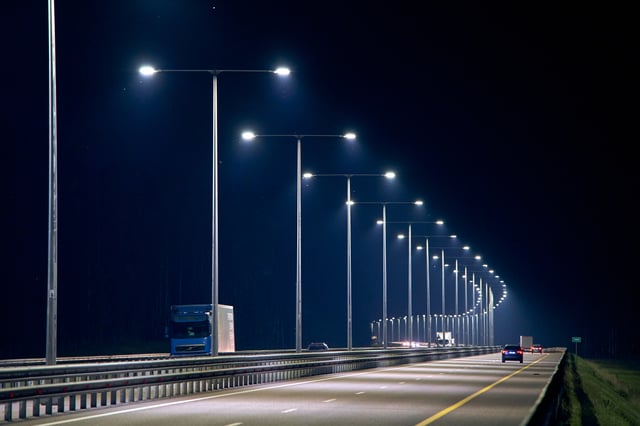
Metz, France, is piloting a new “smart lighting” system in the Grange-aux-Bois neighborhood as part of its efforts to modernize public lighting. The city manages 16,500 light points, previously controlled through five sector-based sources. Now, 430 lighting cabinets equipped with connected clocks allow for more precise and efficient management of each light source.
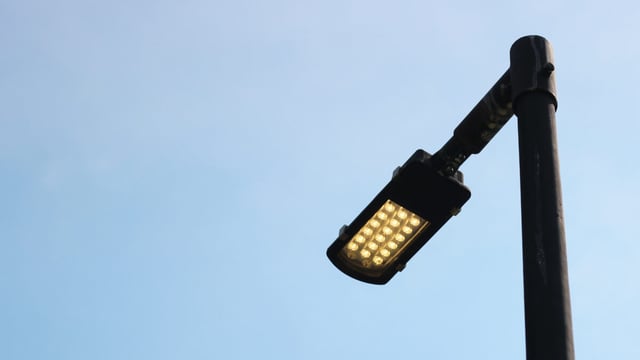
Since 2023, the city has accelerated its lighting renovation program, increasing its annual budget to €4 million. Traditional light sources are being replaced with LEDs at a rate of 20% per year, up from the previous 3%. By the end of 2024, 57% of the city’s lighting is expected to be LED-based, with a goal of reaching 80-85% by the end of the current term. This shift has already reduced energy consumption by 60% compared to conventional lighting, while also improving light quality and reducing environmental impact.
The smart lighting system in Grange-aux-Bois, which includes 1,067 LED light points controlled by 28 cabinets, adjusts light intensity based on time of night, location, and motion detection. For example, in activity zones, lighting is reduced to 50% during late-night hours, while pedestrian detection triggers full illumination in key areas. Residential zones feature either minimal lighting or motion-activated systems that create a “light trail” effect, illuminating pathways as people move.
The initiative aims to balance energy savings, biodiversity preservation, and resident needs while minimizing ecological and financial impacts.