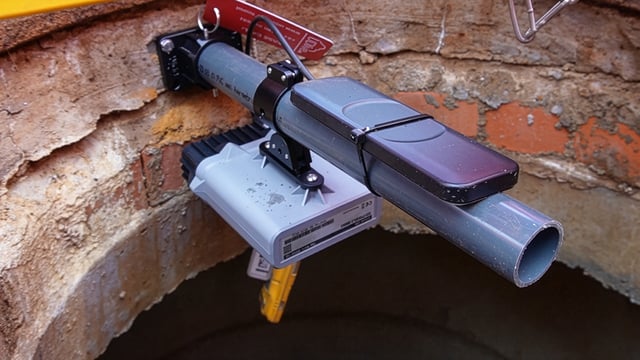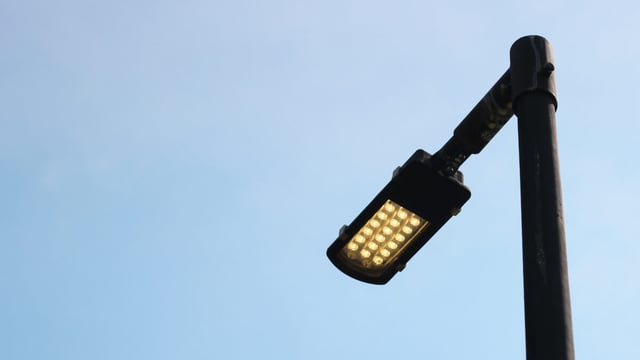
The commune of Tronsanges, in the Nièvre department of central France, has been named the test site for a LoRaWAN-based street-lighting control system run by the public network operator Nièvre Numérique, according to local press coverage dated 13 October 2026 of a municipal council meeting chaired by mayor Philippe Rondat. The council authorised the mayor to sign an agreement with Nièvre Numérique and the Syndicat intercommunal d’énergies, d’équipement et d’environnement de la Nièvre (Sieeen) to mount a LoRaWAN gateway on the town hall, with a sensor fitted to each new LED luminaire, at no installation or operating charge to the commune beyond the electricity the equipment draws.
The reported figure for that consumption is about 20 watts, which makes the commune’s financial exposure close to nil on paper and places the entire cost, operating risk and long-term data ownership question on the operator and the energy syndicate.
A Gateway On The Town Hall And A Sensor On Every New Luminaire
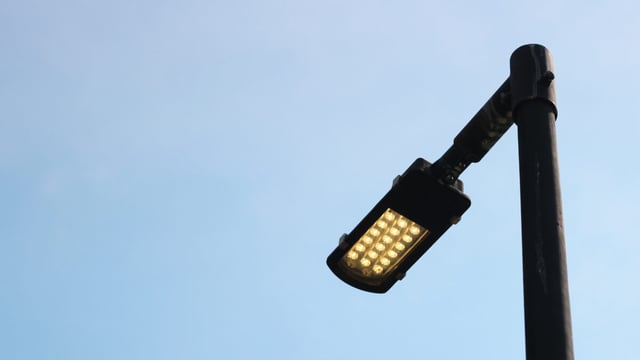
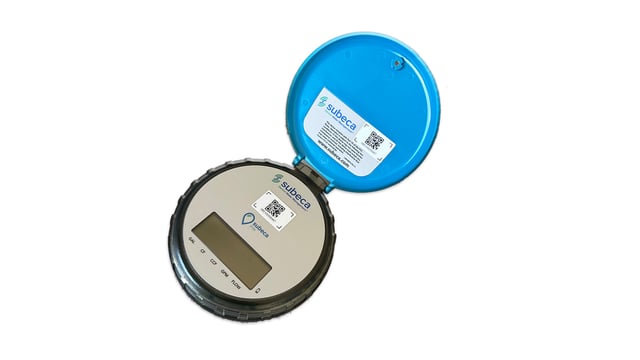
The system was described as a device at the luminaire that reports back through software for maintenance and management. Nièvre Numérique will carry the installation of the receiver, its operation and its maintenance, and a technician from the operator will carry out one preventive inspection of the equipment each year.
Track tenders like this
New street lighting tenders across Europe, flagged daily with an AI summary.
The sensors will be fitted only to the new LED luminaires, not to the existing stock. Mayor Rondat told the council that lamp replacement will not cover the whole commune and is expected to begin in mid-October, depending on the workload of the contractor, which means the connected footprint will be a subset of a subset of the public lighting network.
Who Owns Which Layer Of The Arrangement
Three bodies hold distinct roles. Sieeen is the delegated authority for public lighting in the Nièvre, and the works quotations for the LED replacement were validated in May 2026. Nièvre Numérique is the syndicat mixte that operates the LoRaWAN network, which Kurrantly News has previously covered in the context of the first gateways at Cosne-Cours-sur-Loire, a town of about 9,400 inhabitants, where the stated target uses were remote water-meter reading, heating control in public buildings and connected street lighting. The commune itself is the host and the electricity payer.
That division explains why the council record contains no capital figure. The coverage does not say how the LED replacement is financed, while the connectivity layer is absorbed by the network operator, so the cost of the connected lighting component cannot be read from the commune’s accounts and is not disclosed in the coverage.
Axione Runs The Network, While The Device And Luminaire Suppliers Remain Unnamed
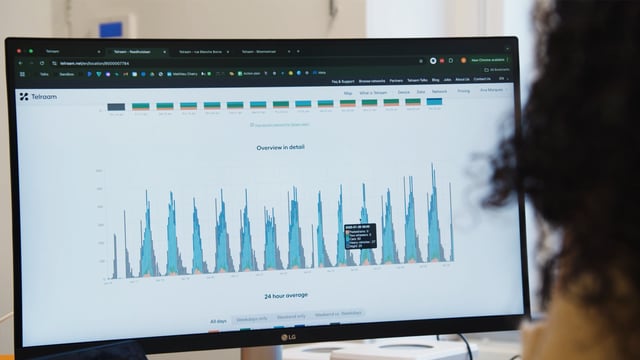
The council coverage names no vendor, but public procurement data does. Nièvre Numérique awarded the study, design, deployment, maintenance and operation of its LoRaWAN network to Axione for €480,267, according to the published contract record. That contract was notified on 25 July 2025 after an open tender that drew 10 bids, and it is recorded with an 18-month term. A separate €29,700 contract, notified the same day after 14 bids, went to Kuzzle to host and configure the data hypervision platform for sensors and actuators connected to the network, according to a second contract record.
Neither the coverage nor the procurement data identifies the supplier of the luminaire sensors, the gateway hardware, the luminaire manufacturer, the number of light points to be equipped or a commissioning date. The lighting-control profile is also unstated, so the benefit the pilot is meant to demonstrate is described only as maintenance and management through software.
A Second Control Layer In A Department That Already Connects Its Lamps
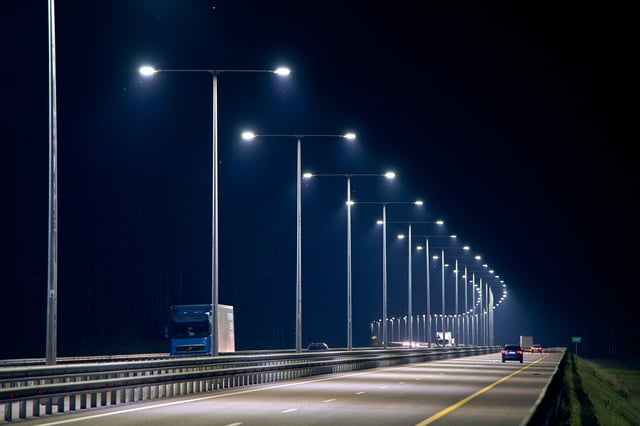
Sieeen already supervises 17,953 connected LED luminaires across 192 communes, according to its 2023 activity report. The syndicate has modernised public lighting since 2015 under a specification requiring every new luminaire to be connected, with at least part of the earlier stock managed through Signify’s Interact City platform, according to the trade journal Lux. Tronsanges is therefore testing whether a departmental LoRaWAN network can carry lighting control alongside, or instead of, the systems Sieeen already operates, and that question matters more to the 295 communes that have transferred their lighting competence to Sieeen than to Tronsanges itself.
The Conditions That Will Decide Whether The Pilot Scales
Two details in the arrangement will matter more than the technology. The first is the annual inspection by a single operator technician, which is a workable service level for one commune and an open question for a department with many more. The second is that Nièvre Numérique bears all installation and operating costs while its own contract with Axione is recorded with an 18-month term from July 2025, which places its expiry in early 2027 unless it is renewed or extended.
The council authorised a convention, and the reporting does not state its duration, its termination terms or how the data produced by the luminaires will be shared between the commune, Sieeen and Nièvre Numérique. Until the department publishes the per-luminaire cost, the term of the convention and the maintenance obligations that apply once the pilot ends, the free-of-charge model cannot be tested against what neighbouring communes would be asked to pay.