in Barcelona
 3 to 5 Nov 2026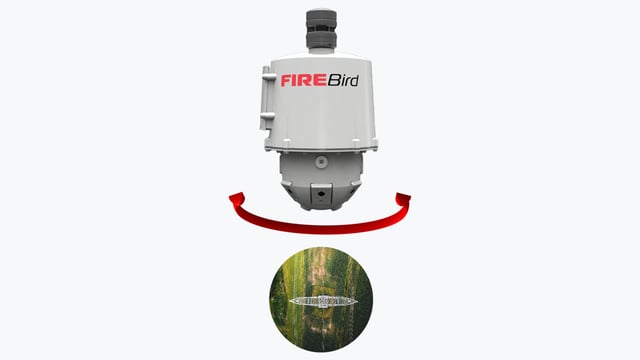
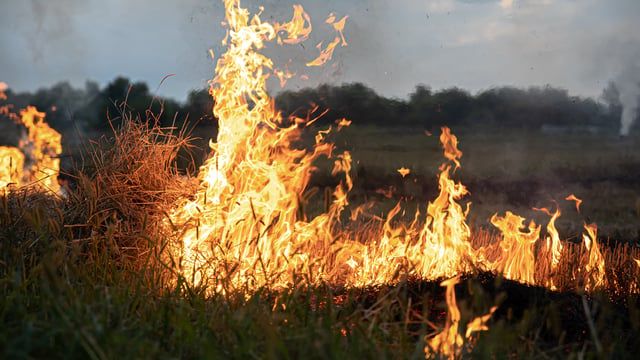
The City of Rancho Cucamonga and the Rancho Cucamonga Fire Protection District will unveil the state’s first community deployment of the FIREBird early wildfire detection system on Monday, July 20, 2026, in a public event at the Banyan Fire Station from 9:00 to 9:30 a.m. The system, built by Lindsey FireSense, LLC of Azusa, California, pairs thermal sensors, cameras and onboard weather monitoring to spot ignitions as small as 5 by 5 feet within roughly two minutes, before they grow into the kind of fast-moving blazes that have repeatedly threatened the city’s northern wildland-urban interface. City officials describe it as the first state-funded FIREBird rollout in California and part of a broader shift toward automated, always-on detection along high-risk boundaries rather than reliance on 911 calls.
Why The City’s Northern Edge Is A Priority Zone
Rancho Cucamonga’s northern boundary sits along a wildland-urban interface where the Alta Loma and Etiwanda neighborhoods meet the foothills of the San Gabriel Mountains, an area the state has designated a Very High Fire Hazard Severity Zone. The City of Rancho Cucamonga has pointed to the terrain and recurring Santa Ana wind events as factors that let fires spread quickly once they ignite. Past incidents in the corridor include the 2003 Grand Prix Fire, part of a complex that caused an estimated $1.3 billion in damage, along with the 2014 Etiwanda Fire and a 2020 blaze near Almond and Mai Streets known as the Thorpe Fire.
How The Detection Hardware Works
Each FIREBird unit combines wildfire-specific thermal sensors, multiple cameras, an onboard weather station and AI-based image processing designed to flag heat signatures rather than wait for visible smoke. The system is built to operate continuously in a 360-degree field of view, day or night, and in conditions such as wind, cloud cover or fog, without a human operator watching a video feed. Once a unit detects a likely ignition, it is designed to alert designated first responders automatically with a location, live photos and on-site weather data, and the Rancho Cucamonga deployment has been integrated directly into the city’s existing dispatch system.
Vendor Partnerships Behind The Sensors
Lindsey FireSense has paired its detection units with wind sensors from FT Technologies, whose ultrasonic anemometers are built to resist dust, debris and vibration in ways traditional cup-and-vane instruments are not. The added wind data is meant to help fire managers spot subtle shifts in local conditions that can precede a flare-up, feeding into the same automated alert stream as the thermal and optical detection. Lindsey FireSense describes itself as based in a Southern California foothill community and staffed by engineers with backgrounds in sensors, wildfire detection, the utility sector and IoT devices, according to the company’s project materials.
Funding Path And State Budget Context
The project traces back to October 2022, when Assemblymember Chris Holden of the 41st District presented the city with a $1.9 million check to install FIREBird units along the northern boundary and to cover training, maintenance and implementation. City officials at the time said the funding would support installation of units capable of detecting fires up to 900 feet away, a range since expanded in current marketing materials to roughly half a mile. Coverage of the July 2026 unveiling describes the deployment as supported through state budget appropriation SB 178, though the specific line-item language tying that budget vehicle to this project was not independently locatable in public bill text at the time of writing.
A Rollout Shaped By Recent Firestorms
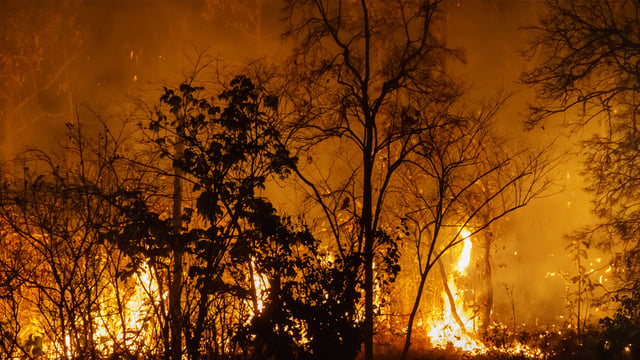
Organizers of the unveiling have framed the deployment against the backdrop of the January 2025 Southern California firestorm, when the Eaton Fire killed 18 people and destroyed more than 9,400 structures and the Palisades Fire caused 11 deaths and destroyed nearly 7,000 structures. Both fires were first reported through 911 calls rather than any automated detection system, a gap FIREBird’s continuous heat monitoring is intended to close. “The FIREBird system has the potential to save lives and property,” said Mike McCliman, Fire Chief for the City of Rancho Cucamonga, in the city’s July 2026 announcement of the FIREBird deployment. “Early detection allows local jurisdictions to effectively respond to wildfires at their earliest stage, with a goal to minimize fire spread and decrease the overall number of resources committed to an incident.”
Scale And What Comes Next
City officials said in 2022 that they intended to install 30 FireBird units along the northern boundary, though current public materials for the July 2026 unveiling do not restate a final unit count for this specific rollout. The event positions Rancho Cucamonga as a pilot site that other California jurisdictions in Very High Fire Hazard Severity Zones may watch as a template for combining state funding, private detection technology and local fire dispatch integration. Fire officials have described the system as complementary to, rather than a replacement for, existing regional detection and camera networks used across the wildland-urban interface.