in Barcelona
 3 to 5 Nov 2026
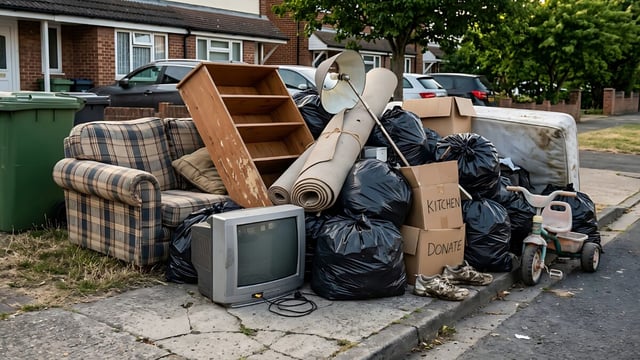
Eunpyeong District in northwestern Seoul has launched a pilot of Gajyeoga, a mobile application that lets residents arrange bulky waste collection by photographing the item, in what the Korea Times reported on 21 October 2026 is the first deployment of its kind by a municipality in South Korea. The pilot runs through the end of December 2026 and covers a district that handles more than 220,000 bulky waste requests a year, about 29 percent of which are still filed in person at community service centres.
The app recognises more than 156 waste categories and can identify several items in a single photograph by analysing contour, material and position, then calculates the disposal fee, schedules the pickup location and date, and takes payment without requiring the resident to create an account. District officials estimate that the request time falls from 20 minutes to about one minute.
How A Photograph Replaces A Manual Fee Lookup
South Korean residents must report each bulky item to the local district office and pay a designated collection fee before the item can be put out, so every request depends on the resident correctly identifying the object type and size class that sets the price. According to the Korea Times, mismatches between the size a resident reported and the item actually left on the street have delayed collections and forced residents to reapply.
Gajyeoga moves that classification step to computer vision. Requests go directly to sanitation crews, who can inspect the uploaded photographs on mobile devices before collection, and the system generates collection routes and sends residents a confirmation alert after pickup.
Public-Sector Backing
The app was developed under a public-sector AI initiative backed by the Ministry of Science and ICT, the National IT Industry Promotion Agency and the software company Kyorim Soft, according to the Korea Times. The three-party structure places the technology risk with a national programme rather than with the district budget.
The district has kept in-person and web filing in place for elderly residents and others who do not use smartphone applications, so the 29 percent of requests currently handled at service centres is the group the pilot is designed to move.
The Operational Case Rests On Routing And Reapplication Rates
The headline reduction from 20 minutes to one minute applies to the resident, but the larger operating gain for a district processing more than 220,000 requests annually lies on the collection side. Each reapplication caused by a wrong size declaration costs a crew visit that collects nothing, and photographs available to the crew before dispatch allow vehicles and loads to be planned against the actual items.
Other cities have applied machine learning to waste, but largely on the collection and sorting side, through robotic sorters and sensors in public bins, as the Korea Times noted in naming Singapore and Zurich. Gajyeoga addresses the resident-facing reporting step, which is where Eunpyeong’s measurable inefficiencies sit.
What The December Close Will Measure
The pilot period ends in December 2026, and the district has three numbers to compare against its pre-pilot baseline: the one-minute request time against 20 minutes, the share of requests still filed in person against 29 percent, and the rate of reapplications caused by size mismatches. Recognition performance across the 156 categories, particularly for mixed piles photographed together, will determine whether the fee the app calculates matches the fee the crew confirms at the kerb.
The first measurement point is the end-of-December close, when the district can test whether the one-minute request time holds across its 220,000 annual requests and whether the 29 percent in-person share starts to fall.