in Barcelona
 3 to 5 Nov 2026
T-Mobile Polska will deploy 24,000 NB-IoT radio overlays for remote water-meter reading in Katowice, in a smart-water project run with the city’s water utility, Katowickie Wodociągi. Announced in June 2026, the rollout carries a total value of PLN 12.86 million, is backed by close to PLN 9 million in European Union funding, and is described as one of the largest deployments of its kind in the Silesia region.
How NB-IoT Replaces Manual Meter Reading
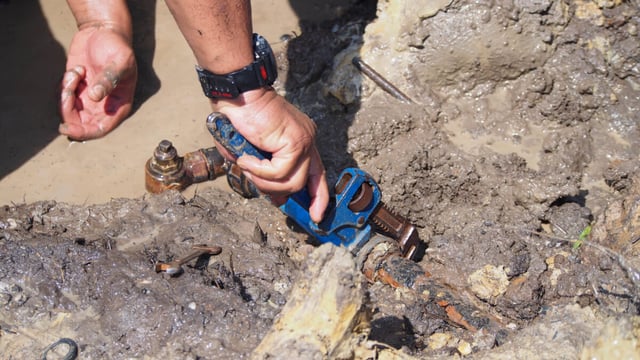
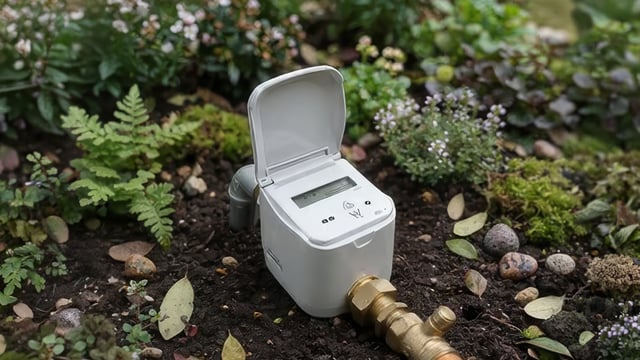
The contract covers the delivery and installation of 24,000 IoT radio modules that attach to existing water meters and transmit readings over T-Mobile Polska’s NB-IoT network. NB-IoT, or narrowband IoT, is a low-power, wide-area technology built to send small data packets from field devices over long lifecycles without frequent maintenance.
In practice, meter data will be sent automatically and regularly, removing the need for manual on-site readings and giving the utility near-continuous visibility of consumption.
What Changes for Katowice Residents
For households, the most visible change is access to their own consumption data through the Katowickie Wodociągi online customer service centre, ultimately down to hourly granularity.
That resolution lets both residents and the utility spot unusual spikes quickly, an early signal of a leak or a failure either on the customer side or in the network.
Leak Detection and Network Monitoring for the Operator
For Katowickie Wodociągi, stationary reads promise more accurate network monitoring and faster response to irregularities. The operator expects to analyse water flows more precisely, detect anomalies, and reduce losses.
Real-time visibility of flows across the network is the core operational benefit, giving technical teams a more complete picture of how the system is performing at any given moment.
Part of a Wider Digitalisation Programme
The metering rollout is one strand of a broader modernisation at Katowickie Wodociągi. The utility is also building out public e-services, an online customer service office, a water-quality portal, environmental-parameter monitoring, and a planned text-and-voice virtual assistant.
The investment additionally funds a renewable-energy micro-installation to generate electricity, along with new computers and staff training.
EU Funding and Project Economics
Katowickie Wodociągi secured PLN 8,993,081.60 in EU funding for the project, against a total investment of PLN 12,855,700 and eligible costs of PLN 10,581,230. The money comes from the European Regional Development Fund under the European Funds for Silesia 2021-2027 programme.
The deal fits a wider pattern of EU-backed utility digitalisation in Poland, where distribution operator Tauron Dystrybucja recently secured about €40 million for a smart-meter rollout.