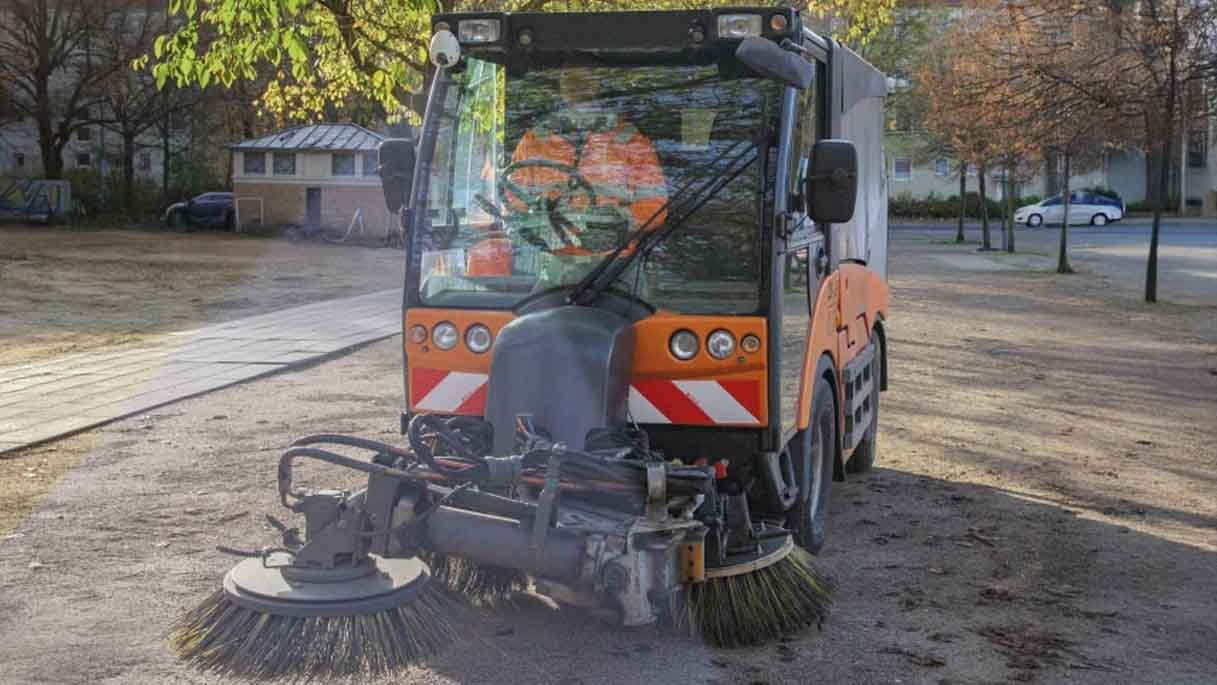
AI Helps City of Basel Keep Streets Clean
View transcript auto-generated
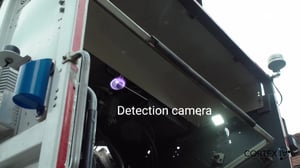
Around the world, there are many stereotypes about countries. Bad ones and good ones. And Switzerland has a very positive one. That it's clean. The European country has earned the reputation thanks to its strong anti-littering norms, effective waste management and street cleanliness, with fines in place for those who don’t heed the rules. But it’s the persistence in proper planning and rulemaking that has led them to be among the cleanest countries in the world. To keep the high level of cleanliness their local government has set, the city of Basel's cleanliness team has turned to a smart solution to better plan where to clean and to use as a reporting tool. A vision AI solution that gathers information on how much and what type of waste is on the road or pavement. So we decided really to have a wider range of data and a detailed data of which kind of littering is taking place in which area of the city to be connected with the data and to publish the data as well and to set targets, to achieve of the index. To gather the data, Basel deployed Cortexia’s vision AI solution. They’ve been working together for 5 years. 12 cameras have been mounted on rubbish trucks, and they scan the streets they drive on, visually analyzing if there’s waste, what type of waste it is and even finding illegal waste dumping sites. The images are then processed on an edge computing device that’s also on the vehicle and the metadata is sent, to stay GDPR compliant, on real time via LTE connectivity to the platform, where Basel’s cleanliness team can review what was found where. They’re collecting data on 95% of the city. The system also has a cleanliness index that goes from 1 to 5. 5 being the cleanest and 1 the dirtiest. Basel has based its cleanliness with this index, placing the target at 4.5, a number the cleanliness team must achieve to keep the local government happy. The clients could use this data or can use this data to optimize their strategies. So if they're willing to experiment, to integrate this data into making decisions on where they should be driving, they can identify streets that are being cleaned despite already being clean so streets that are over cleaned or too clean, and then maybe adapt the frequency of those streets. And why is this relevant? Because, these sweepers are consuming a high level of energy. This new tool helps plan cleaning services better, but also serves as a KPI to see if the planning is working. In 2022, they had a score of 4.4 and now they're at 4.7. So above what the government is asking for. One of the things that makes this project different is the fact that this system can analyze the smallest items, like cigarette butts, and can classify plastic, paper or leaves. This has impacted decision making in the city when it comes to how to prevent littering. We have bins in the city, not just for garbage, but they have an ashtray on top as well. And if we have the dashboard we can decide, okay, in this area, we have a lot of cigarettes on the floor. And, maybe or then we decide, okay, we have to change the bins there with ashtray and so we are changing really the bins in the city as well. We look if we have to change the place where we put the bins. The next step the city is looking to take is to use the real time data in real time. So instead of planning routes weekly or monthly based on the data, use the information each morning to plan each day. This five year project shows that street cleanliness isn't about more sweepers, it's about planning properly, and data is needed for that. Basel is using these insights to refine its approach, reduce unnecessary cleaning, and better understand human behavior in shared spaces. It also highlights a broader shift in how cities are run, where intuition and routine are increasingly being replaced by evidence and measurement.

📰 Latest News

🎬 Kurrant Originals

🎥 Recent Event Coverage



🎯 Featured Case Studies
Real client work behind the news — strategy, M&A and engineering projects we've delivered for cities and utilities.



Stay in the Loop
Get smart cities and utilities insights delivered your way. Choose your channel
Join our WhatsApp Channel