Facing Mandatory Residential Biowaste Separation with Smart Solutions
View transcript auto-generated
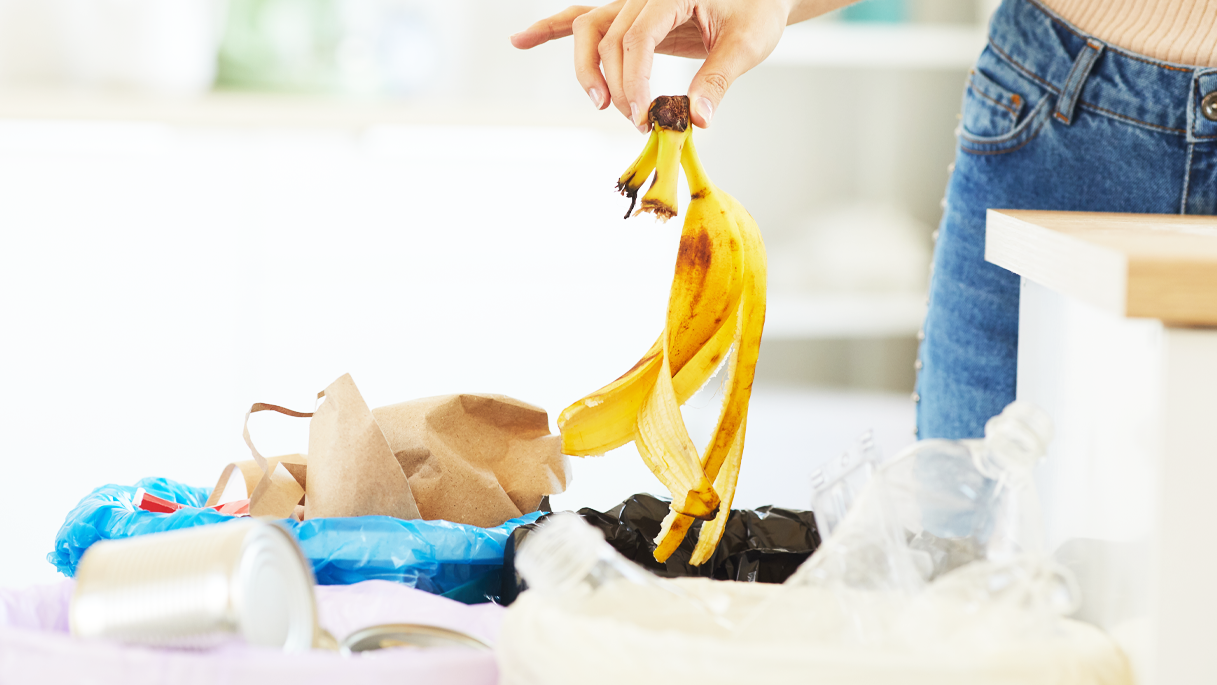
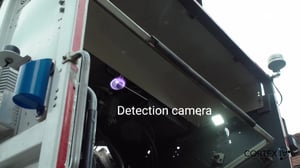
When thinking of waste separation, what first comes to mind is the recycling of plastic, as it has posed a great threat to the environment for many years. However, the EU is now also putting its focus on another type of waste that has shown incredible potential. Biowaste. As of 2024, all member states must have a separate collection, a dedicated system for biowaste to give it a second life in the shape of compost, biogas, animal feed, or even products like bioplastic. This separation is set to help the EU achieve its goal of reducing by 50% the amount of residual waste generated, reaching environmental goals, and when it comes to managers and collectors, it will serve their economic interests, as they will be able to sell biowaste for its second life at a higher price once it reaches certain quality. We see that there are some countries which have separated for many years, like Germany and Switzerland, and they are struggling with quality since many years, and they haven’t found so far the good solution to improve the quality. What is sure is that if you want to improve quantity, you have to improve quality. This is today the limit. To improve quality and quantity, separation of waste types must take place. Even though the responsibility falls on citizens, controlling their behaviour is impossible. So to make sure the biowaste outcome has a good quality and will therefore fetch a pretty penny, collectors and waste managers are turning to smart solutions for efficiency and efficacy. We're seeing more and more smart solutions at each stage of the waste cycle. There are three levels at which separation can be checked: at the pre-collection level, the collection level and the waste plant level. At the pre-collection level, access control systems have become quite important to curb cross-contamination. What we see is at first in the Netherlands, four years ago, it started with containers shelters without an access control system. But now finally they found out that there was a lot of contamination into the biowaste. So after the first two years they asked us if we can install access control systems to keep this stream free from contamination. And actually it works pretty well. So for example, the city of Amsterdam they’ve bought 5500 biowaste shelters equipped with access control systems, which can be opened with a mobile phone. There's a lot of cross-contamination in cities where anyone can open any bin. But with access control systems, only authorized people can open certain bins. These types of solutions start at €650 and can go into the thousand. Pay-as-you-throw, which we've explored in previous videos and will also have access control systems, is used to encourage separation at a residential level as well, as residents will pay depending on the weight of certain waste. However, pay-as-you-throw systems could lead to some people using illegal waste dumps to avoid fees. So depending on the waste culture, it's a system that could backfire. At a collection level, Vision AI has brought many solution possibilities. To do something, you have to know where is the origin of the problem. So we can implement the camera system on the trucks and have a map, a cartography of where the impurities come from, like, if you have a geographical positioning or like also they have some tags on the bins, and then the municipality can and then the municipality can take actions to improve the quality. c-trace have devised and invented a system involving artificial intelligence cameras. Now, part of the solution is a photographic image of the material that's in the bin that shouldn't be there. So that the camera looks down and at the side, and if it sees anything in there that shouldn't be there, it takes a picture. The smart solution is linked to the collection truck. So that if there is a contamination detected, there is a radio frequency identification tag in the bin and that identifies that bin is coming from a particular household, so the bin lift is made to stop by the emergency stop situation. And the bin is not emptied, it is left on the street. The price for Vision AI solutions depends on how many cameras are installed, but solutions with cameras and RFID technology can cost between €20,000 and €30,000, plus a recurring fee for platforms and communication. Vision AI is also proving very useful at the plant level. For the plant, we put a camera in front of the unloading of the truck and during the flow, when the truck is unloading, we take all these images and we have this image recognition that detects the different kind of impurities and that computes this clean biowaste index. Although the Vision AI is opening the door to many solutions, one of the issues with cameras is that they can't analyze large amounts of waste at a time, as they need to be able to see all the items. Despite this issue, ROI has already come in the shape of fewer cleaning processes or separation processes, cleaner outputs, less investment in heavy machinery and selling compost at a higher price due to its quality. Waste purity isn't only tied to biowaste though, it's important for all waste flows. Vision AI has been tested for some time by companies like Suez UK, who piloted Greyparrot Systems at a recycling plant. Not for biowaste, but for plastic. We deployed two of their optical video sensing units that sat over two individual belts within our sorting lines, on particular lines, one of which was plastic. And the opticals were being trained and then feeding back to us through a dashboard on how many bottles, and the identification of those bottles. So it's trying to attempt to see whether you can identify the items and then inform either air separators or in the future, if we have a robotics separator, which materials to target to remove off that belt. That allows us to increase the quality of the product we make. Having crucial companies like Suez testing Vision AI solutions for separation, or Veolia with its similar Portik internal tool, is proof that waste companies are looking to invest in technology that will allow their sorting to be more efficient and effective, and therefore get more money for the product. As the separation of biowaste becomes mandatory, smart solutions could be waste managers’ greatest ally, considering that one of waste’s main players is the citizen. Citizens have different waste educations and behaviours depending on their region and upbringing, one cannot compare the recycling and separation culture in Germany, where for decades people have been encouraged to recycle as they get money back for returning their plastic bottles, to that of countries like Spain, where being able to recycle was still a major struggle in some areas of the capital until only a few years ago. So even though separation responsibility lies on residents, collectors will most likely still need to turn to smart solutions to ensure their separation and recycling has a good quality, as it will be the safest way for them to ensure they can sell at a higher price and follow environmental EU rules.

📰 Latest News

🎬 Kurrant Originals

🎥 Recent Event Coverage
🎯 Featured Case Studies
Real client work behind the news — strategy, M&A and engineering projects we've delivered for cities and utilities.


Stay in the Loop
Get smart cities and utilities insights delivered your way. Choose your channel
Join our WhatsApp Channel