Personal Safety App Becomes City Partner
View transcript auto-generated
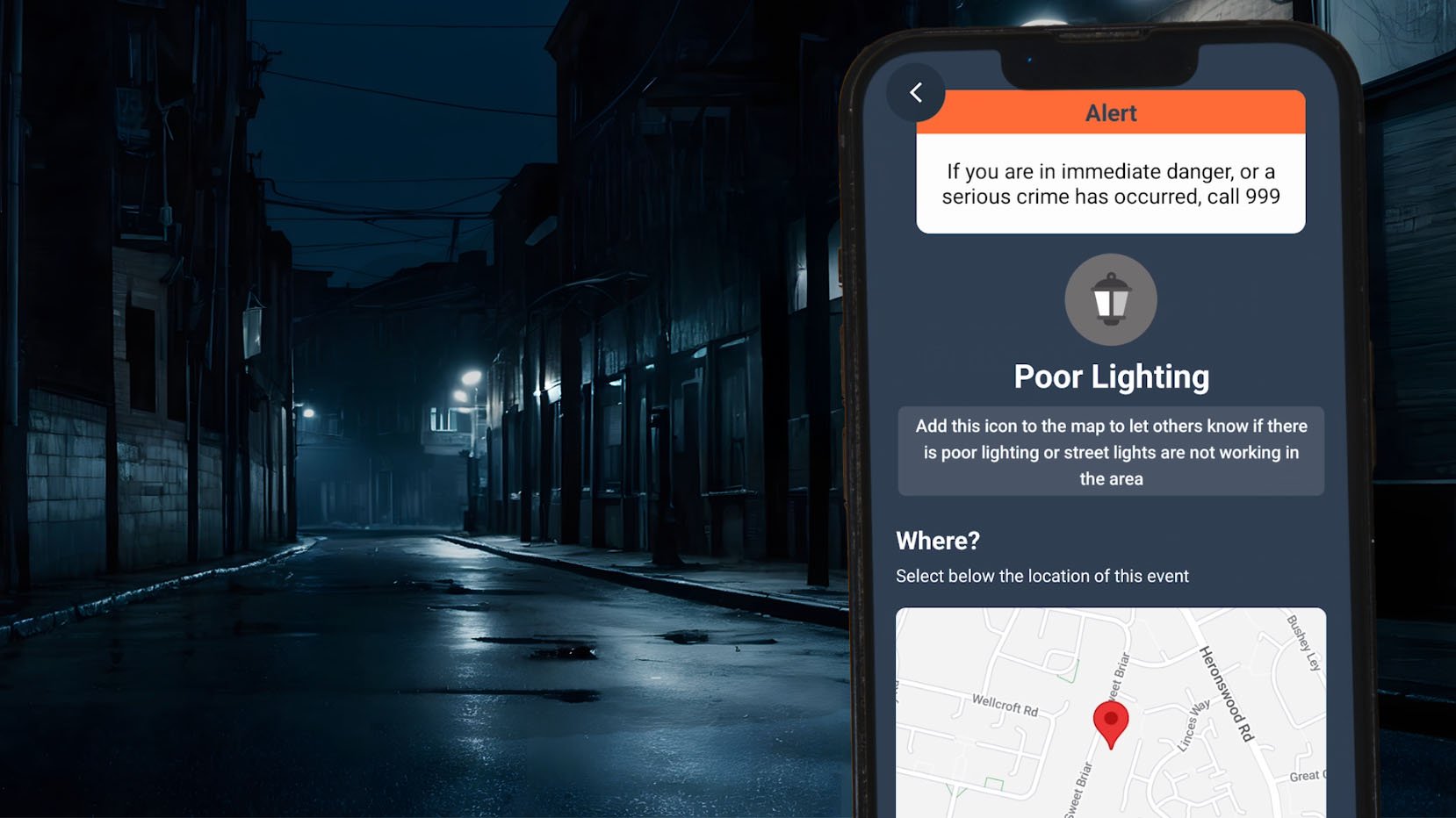
Walking back home from work, the gym, or after a night out is something many people don't give a second thought to. It's an everyday task. But for many, particularly women, it can be a very vulnerable moment as they can experience harassment, especially after dark. We saw this harassment with the viral TikTok videos in which women were unknowingly being filmed in the streets and mocked online for the way they acted or dressed on a night out in Manchester. To monitor municipalities and make them safer, cities like New York deployed surveillance cameras in retail spaces, streets, subway stations or parks. But that's not the only option. In the past two years, the potential of smartphones for smart cities as a personal sensor has become clear, allowing authorities to rely more and more on this data. Manchester is one of the cities that has seen this potential for safety, but also linking it to services. We did a survey and we surveyed over 2000 people in the city, mainly women, about their feelings of safety. And not surprisingly, there's still a perception, particularly among women, that they don't feel safe in the city at night. And also in that survey, we asked about whether people might use a safety app. And there was a really resounding yes. Manchester City Council had been working for years with police to improve security, and even created the Safety for Women and Girls Charter. After the survey, in September of 2024 they became one of the 35 cities and towns in the UK to launch the personal safety app Walksafe. The app offers users features like a safe route finder, a tracker that alerts loved ones of their whereabouts and arrivals, an immediate SOS button, a map with safe venues, and even a crime reporting functionality. Bringing together different departments and actors. Since its launch, 5000 people have downloaded it and 500 venues have joined the app's safety map. So you can plot a journey so you can put the journey in that you want to make, and it kind of finds the safest route. Or you can add trusted friends and family into it so that they can track you on your journey, and you can have an alert to tell them when you're at your destination. And if that alert doesn't go off, then they can kind of, you know, they might try and contact you. And probably our most used feature and the most popular feature on the app is our Walksafe safety map. And that is where we have plotted where safe spaces are nationally, in partnership with police forces, business improvement districts, councils and independent businesses. Walksafe used to pull crime data from the police database and displayed it on the app. But they have moved away from that model and now work directly with stakeholders: the police, councils, businesses and residents. They rely on users to report the safety issues happening in the city, giving them a direct line to authorities. Safety can be a tricky vertical as it is based on crime numbers, but also the feeling of safety. A dark street might seem normal to some, but to many women it can feel unsafe and threatening. This brings us to an interesting feature that helps connect different departments as well as improve services. We also have a functionality that enables users to plot if there has been poor lighting or rowdy groups or police presence. And that's through our community icons. Now that is public. So if you put a community icon on the app, that will be seen by other Walksafe users. However, we have a crime reporting functionality on the app and that is not public. That goes into our database anonymously. And then we can provide that anonymous information to the stakeholders that we are working with. In the last years, we've seen street lighting being adjusted to save energy or protect the environment. But if these measures lead to darker streets, they can become a harassment prone area. The goal of this type of app is purely about safety, but it leads to collaboration of different verticals. If someone's drink has been spiked, for example, the crime report feature will alert police and the council, who will then be able to investigate. If a street light isn't working, users can alert the community, which will supposedly prompt the lighting department in the council to fix it. It could potentially even involve the waste departments. For example, if some bins take up the whole pavement, forcing residents to step down onto the road to continue their walk, they can let their representatives know through the app. These different departments can improve safety at the same time as they monitor their services. This other layer of resident perspective data can also guide the council's decision making. It can give a clearer vision of where CCTV cameras should go. As for the police, sometimes people aren't aware of what constitutes a crime or might be embarrassed to report it. But having the option of anonymously alerting police will give them more data and allow them to better plan patrol deployments. What the app allows women to do is to report it on the app. And then we can pick up any patterns or trends that there are around the city. So it may be, for example, that we pick up on incidents in specific bars, and then we can get licensing involved to go and maybe do some work there or check it out. You know, if we get a lot of reports of people feeling unsafe in a specific area because it's dark, you know, then we can check that out with the local authority through the council, because, this is the kind of program that we've got buy in from all parts of the council. So for example, in parks, we've done training with park staff about keeping women safe in parks. So we’re all kind of bought into it. It's just we'll have to see what comes through and then make those links with other departments in the council. Manchester Council told me that they pay Walksafe to make the app free for all residents. Although the exact figure was not disclosed, we were told the price was in the low five figure. Walksafe also gets revenue from businesses who want to have the app for their staff and link it directly to their own security teams. The app already has over 1 million downloads and 100,000 active users in the UK. Residents are, or should always be at the center of smart city projects. So when it comes to safety, which can be both a fact and a feeling, who better to report insecurity than the ones that experience it? This type of solution can bring another layer of data to safety that can allow for cooperation among departments, prevention, a smoother reporting method, and a more exact understanding of where the safety issues lie in a city. Crucial considering surveys suggest 66% of young girls and women in the UK experience street harassment.

📰 Latest News

🎬 Kurrant Originals

🎥 Recent Event Coverage


🎯 Featured Case Studies
Real client work behind the news — strategy, M&A and engineering projects we've delivered for cities and utilities.

Stay in the Loop
Get smart cities and utilities insights delivered your way. Choose your channel
Join our WhatsApp Channel