 in Barcelona
 3 to 5 Nov 2026
cameras have become the ultimate smart city sensor you can install them on buildings integrate them in poles wear them and even fly them and cities are paying big bucks to do so video analysis has actually managed to fill out the promises that it was giving you know a couple decades ago and nobody was actually able to deliver until recently when machine learning really became ubiquitous as a result cities are increasingly using cameras for data collection as seen in tampa where the city is using cameras to count cars right now we've got around 70 or 80 cameras and then we've got another 60 or so that are being deployed we really are just using this for operating our system and for making changes to the signal timing there are a handful of cameras that provide this data ip cameras are among the most common. They can transmit and receive data over a network and when combined with AI, machine learning and edge computing, they can spot specific abnormalities and alert users of incidents in real time. What we see now is of course the evolution of adding more sensors so combination with network horn speakers so that you can actually combine cameras with audio so visual surveillance together with audio. costs for cameras vary widely depending upon use case and characteristics the hardware for cameras for example can cost anywhere from $200 to $4 ,000 and the video management software costs another $100 to $200 per camera the cost for analytics could be another $400 to $800 per camera and that cost gets even higher when talking about infrared cameras at a cost of $400 to $4,000, these cameras detect infrared energy, convert it into an electronic signal, and then process it to produce a thermal image, ideal for monitoring crowds, traffic control, and tracking temperature. And they become particularly useful in a world reeling from COVID-19. Airports use them to track the temperature of travelers. And recently, the city of Chicago deployed cameras on buses, all in a push to predict ridership demand and reduce passenger crowds. We have Hella and Aglea sensors that are put above each door. And what these sensors do, they're 3D cameras that have like a depth perception. And these sensors count the number of people that come in and out of each door of the bus. So the only thing that leaves the bus, the only data that leaves the sensor, that leaves the sensor is a count, like a plus one or minus one of people. or coming in and out of the bus. COVID-related applications drove the market in 2020, but that was a temporary surge in demand. This year, cities are continuing to use cameras to fight and prevent crime, which have traditionally been the top use cases. And they've also widely deployed cameras within their transit systems. There's a lot of dollars going in, not just safety, but as you know, emissions. And that's where I think smart cameras or any type of smart sensors can help play a role in informing those. vehicles or those drivers on either it's a safety decision or it's a routing decision which means lower carbon emissions it comes as cities increasingly use technology to tackle their environmental concerns and many times these concerns center around air pollution from cars which is why we're seeing many cities invest in cameras to enforce low emission zones take barcelona currently they we have deployed cameras in the first stage. On the second stage, it's going to be between 140 and more cameras. When we are processing the license plate recognition, we're sending it to the local DMV just to gather the information if they can enter or they cannot enter into the city. Video analytics at the edge has transformed the video surveillance market, allowing for new use cases and new players to enter the field, some who don't sell cameras at all. the existing network of video cameras if they are ocr capable it's enough then you connect them to operational back office when you integrate all the business rules and this kind of solution can be integrated very fast because you have all the components are there it's just a matter of integration and calibration and calibration to your needs that kind of ability to customize a camera based on a city's needs or use cases is key here because it opens up more possibilities with a single device and that enables a greater return on a city's investment it's why vendors tell us they approach a city by offering a solution rather than the technology so reading a license plate is worth nothing if you don't check this license plate against a blacklist and you do some reports alerts and you connect to the databases from police Police can use license plate readers to track suspects, at least that was the appeal for Springfield, Missouri, a city that's dedicated $415 ,000 towards the deployment of around 80 infrared cameras. Law enforcement is among the top users of cameras in the city, mainly investing in body cams. In July, France mandated that all of its police now wear them. The NYPD has them outfitted on all 24,000 of its members. However, the wide adoption of cameras cameras by police has definitely created a challenge in the market. As many vendors say, their toughest critics are the residents. You know, a lot of cities like San Diego, essentially they bought something like 3,500 cameras, I don't know, four or five years ago, and they quit using them because they were concerned about, you know, personally identifiable information. I think that's the biggest drag on that piece of it. We can always, for example, say like, we don't, we don't. store the image. But how can we convey this to the people and say it's not being stored? It's why you see the Asia-Pacific region leading the market, because there's a real top-down approach to governing. Yet interestingly, reports say the United States has about one surveillance camera for every four people, the same ratio as China. And the city of Atlanta is actually right below Beijing when it comes to the amount of cameras installed. Now, Atlanta is interesting because police have connected cameras from private- businesses to their central hub to better monitor the city. And it's paying off. Atlanta Police Foundation say crime has dropped 25 to 50 percent in areas where cameras have been installed. So it's clear cameras provide great value to a city, but the public sector still struggles with the best way to deploy them, largely because of privacy concerns and regulations. Could selling the technology through the lens of environmental monitoring and transit change that? to let us know your thoughts with the button below and stay tuned with current insights as we continue to dig into the trends of video surveillance.
Surprising Reasons Why Cities Invest in Smart Cameras
In this video
-
 Brandon Campbell
Smart Mobility Manager, City of Tampa
-
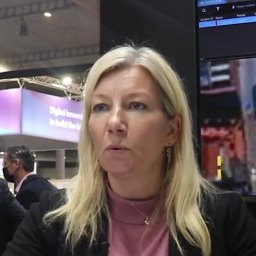 Jenny Mansson
Industry Segments Director, Smart Cities, Axis Communications
-
 Christian Chenard-Lemire
Genetec
-
 Roger Brook
Director of Sales, Sighthound, Inc.
-
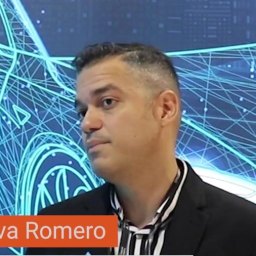 Juan Carlos Silva Romero
International Sales Consultant, Neural Labs
-
 Arnaud Hary
Business Development Manager, Abertis Mobility Services
-
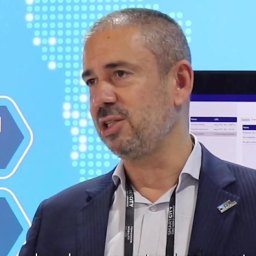 Elias Valcarcel Torres
CEO, Neural Labs
-
 Christoph Burgdorfer
Emerging Technology Consultant, Asteria Corporation
About this video
This video delves into the expanding applications of video surveillance in cities, with a specific focus on transit systems. As the capabilities of cameras advance due to software enhancements and edge computing, urban centers are leveraging this technology for more than just traditional law enforcement purposes. The video features insights from experts in the field, including Christian Chenard-Lemire from Genetec, Brandon Campbell from the City of Tampa, Jenny Mansson from Axis Communications, Roger Brook from Sighthound, Juan Carlos Silva Romero and Elias Valcarcel Torres from Neural Labs, Arnaud Hary from Abertis Mobility Services, and Christoph Burgdorfer from Asteria Corporation.
These industry professionals discuss the trend of using video surveillance for data collection and analysis within transit systems. They explore how these new capabilities enable cities to optimize their transit operations, enhance passenger safety, and improve overall efficiency. The video highlights the increasing return on investment that cities gain from deploying advanced surveillance technologies, showing that their benefits extend far beyond security.
This video is recommended for urban planners, city officials, technology enthusiasts, and anyone interested in the intersection of urban development and technology. It offers a comprehensive look at how video surveillance technology is being repurposed to serve a broader range of functions within city transit systems.
Viewers will gain insights into the latest developments in video surveillance technology and understand how these advancements are transforming urban transit systems. The video serves as a valuable resource for cities looking to invest in technology that not only enhances security but also contributes to the efficient management and operation of urban transit networks
Read the transcript machine-generated
Latest Originals
See all 4:45
AI Agents in Digital Twins: Bringing Promises to Life?
 5:57
Nature as a Sensor: Rethinking Smart Cities, Utilities
 2:57
Audio, the Forbidden Fruit of Smart Cities in France
 2:56
Why did the metaverse fail?
 4:54
High-resolution, Predictive Weather Data: The Next Step for Mobility
 5:20
The State of the Smart Traffic Industry in 2026
Latest news
All news- Bryan Texas Utilities To Replace 50,000 Smart Meters Over Five Years29 Oct 2026
- UK National Parks Launch Wildfire Resilience Programme In Cairngorms29 Oct 2026
- Ameresco Completes $5.9M Water Metering Upgrade Covering 8,000 Meters In Mustang, Oklahoma29 Oct 2026
- Victoria Adds 11 AI Bushfire Cameras To Seven-Unit Plantation Network In A$3.8M Programme29 Oct 2026
Kurrant advisory
Planning a smart city or utility project? Talk to Kurrant.
Behind these interviews is Kurrant's advisory team, working with utilities, cities and the companies that serve them.
- Strategy AdvisoryKurrant is actively involved in resolving the challenges that cities, utilities and industry players are facing.
- M&A AdvisorySmart city and utility expertise for successful deals, turning insights into strategic gains.
- Engineering & ProcurementBetter engineering and procurement decisions, by identifying and developing digital and IoT solutions across use cases.
Or write to us: contact@kurrant.com
Send us a message