 in Barcelona
 3 to 5 Nov 2026
IOT devices are everywhere. Sensing the weather, tracking electricity consumption, and monitoring our environment. For cities, these devices, which consist of sensors, computers, and gateways, are the answer to their green goals. We're putting sensors where the residents come and bring the waste. We are investing already in energy savings. But could IOT devices actually do do more harm than good. Having products that last less than one year, even if they are highly recycled in the end, is just producing in general in electric ways. All of which has a significant carbon footprint. IoT devices consume a ton of energy and produce massive amounts of data. So will IoT sacrifice or save the environment? So all of a sudden you have billions of small devices that need a little bit of power. But I do need it for a very long time. The explosion of IoT devices has given energy harvesting and age old technology new life, putting a spotlight on companies like Naui Energy. We have developed a chip and are developing chips that make it very simple, cost effective to get top energy harvesting performance in your product. Energy harvesting offers a different approach to powering IoT devices instead of batteries and cables. Energy harvesting devices use the... energy surrounding them for power. So a lot of applications tend to be light, very often just indoor light, artificial light For example, you can harvest enough power of that to be able to send an MBIET message, We also have movements, vibrations, temperature gradients. Once converted into electric power, the energy is stored in capacitors. The alternative is squeezing as much battery capacity as you possibly can into your product. So that ends up meaning it's a relatively large product. It also means it's not a very environmentally friendly product, but I think more problematic, it tends to mean it's an expensive product over its lifetime, because you now have to go back and change a battery, and that's not even the cost of the batteries, it's the cost of the person doing it. Noe Energy's power -managed integrated circuit became commercially available in 2020 after securing $14 million in VC funding. Since then, the company has partnered with communications service providers and other semiconductor companies. companies to integrate energy harvesting technology into iot devices a lot of projects that where energy harvesting is useful is also a project where you need connectivity or long -range connectivity and Sigfox is one of the companies that is doing that so you buy energy autonomous connectivity and instead of having to put all the pieces of the puzzle together as an engineer or the company is developing the products you buy something that is not really a component it is almost a solution now it's no secret that sig Fox has come under controversy recently with its bankruptcy claims, but that's not too much of a concern for the future of the solution. We have a collaboration with Nordic Semiconductors on their NBIT platform, you can buy their thing in 91 and buy an energy harvesting sort of add-on, you just click it in and then it's energy autonomous. For another protocol, for example, for Loran, we have a collaboration with Murata that's publicly available. So we have a design there where they can plug their own sensor on it and make it a temperature sensor or make it an asset tracker by site. changing the sensing element an energy harvested device is said to add about a dollar to a dollar 50 to the final product some critics say that the tech is unreliable because the environment tends to fluctuate but it's still getting traction in the sustainability field as are other options like the inclusion of edge computing in ai by integrating these technologies into the device it can operate more efficiently and in turn have a longer lifespan device may make himself with his embedded algorithm, complex calculation in order just to send wirelessly and remotely just the data needed for the decision making. It's far better than having electronic devices that just communicate a lot of data, raw data that are then after crunched into data center where analytics are installed. And then you can use it. use the energy more, I would say, on the IT software part rather than the hardware. BIRDS is a subsidiary of the French utility Veolia. It designs and develops environmental applications for cities and utilities. According to its website, the company has over 3 million connected objects worldwide, just one glimpse into the massive amounts of devices that are producing and collecting data in our environments. A water meter, you don't want to see it every day. it is there it's counting and the the volume of water you consume and rendering this device smart is to make this device connecting remotely this instrument uh sending data and you don't want to change the smart part of this meter every six months or every every year maybe a product that is a little bit more expensive to buy at the first time but can last on for one run of 10 years then your total cost of expenditure is it's much more attractive the arrow high on 10 years is better there's also growing concern about the amount of data that iot devices produce in cop 26 there was an increasing focus for the public sector on scopes re -emissions so governments are increasingly having to report on their supply chain impact i i don't think it will be a harder style to continue collecting data but i think those that will really set themselves apart are the ones that can really explain and lay out specifically why data sets are being collected and why they're being used and for what purpose so are regulations needed to dictate these sorts of decisions there is this need of a benchmark of what is eco -friendly and what is now it will even maybe redistribute the the business power between between companies with new players coming with a very strong positioning in eco -friendly and eco -designed product and services that will grasp the leadership tomorrow because the the world the smart cities are expecting such such player to rise up so what do you think should vendors take more active approach in producing sustainable devices, and should cities demand for it? Let us know your thoughts with the button below, and as always, we'll keep chasing topics like this on Current Insights.
Reducing the Environmental Impacts of IoT
In this video
-
 Manfred Amoureux
Energy & Digital Transitions Manager, City of Angers, France
-
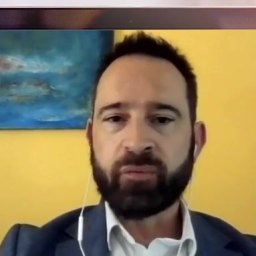 Bruno Hamamlian
Director of International & Strategic Marketing, Birdz (Veolia)
-
 Simon van der Jagt
CEO, Nowi Energy
-
 Louisa Barker
Research Manager, Government Insights Europe, IDC
About this video
This informative video addresses a critical aspect of the intersection between IoT devices and environmental sustainability. It focuses on the paradox where cities use IoT devices to achieve green objectives, yet the carbon footprint of these devices themselves might counteract their environmental benefits. This includes factors such as the environmental impact of their batteries and the significant amount of data they generate.
Key insights are provided by Manfred Amoureux from the Angers Loire Metropole, Bruno Hamamlian from Birdz, Louisa Barker from IDC and Simon van der Jagt from Nowi Energy (Now Nexperia) who discuss innovative solutions to this challenge. The video highlights the growing recognition among vendors of the need for eco-friendly designs in IoT device manufacturing. These proposed designs incorporate advanced technologies such as energy harvesting, edge computing, and artificial intelligence.
Energy harvesting is a technique where devices are designed to capture and use ambient energy from their environment, reducing the need for traditional power sources like batteries. Edge computing involves processing data near the source of data generation, which can significantly decrease the energy required for data transmission and processing. Artificial intelligence contributes by optimizing the operation of IoT devices, ensuring they use energy more efficiently and reduce waste.
The video is particularly valuable for professionals in urban planning, environmental management, and those involved in IoT development and deployment. It offers a comprehensive view of the current challenges and potential solutions in making IoT devices more environmentally friendly. Viewers interested in the environmental impact of technology, sustainable urban development, and innovative IoT solutions will find this discussion enlightening. The contributions from experts at Birdz, Nowi Energy, and IDC provide a multi-faceted perspective on how the industry can evolve to better align with environmental goals, making it a must-watch for those seeking to balance technological advancement with ecological responsibility.
Read the transcript machine-generated
Latest Originals
See all 4:45
AI Agents in Digital Twins: Bringing Promises to Life?
 5:57
Nature as a Sensor: Rethinking Smart Cities, Utilities
 2:57
Audio, the Forbidden Fruit of Smart Cities in France
 2:56
Why did the metaverse fail?
 4:54
High-resolution, Predictive Weather Data: The Next Step for Mobility
 5:20
The State of the Smart Traffic Industry in 2026
Latest news
All news- Bryan Texas Utilities To Replace 50,000 Smart Meters Over Five Years29 Oct 2026
- UK National Parks Launch Wildfire Resilience Programme In Cairngorms29 Oct 2026
- Ameresco Completes $5.9M Water Metering Upgrade Covering 8,000 Meters In Mustang, Oklahoma29 Oct 2026
- Victoria Adds 11 AI Bushfire Cameras To Seven-Unit Plantation Network In A$3.8M Programme29 Oct 2026
Kurrant advisory
Planning a smart city or utility project? Talk to Kurrant.
Behind these interviews is Kurrant's advisory team, working with utilities, cities and the companies that serve them.
- Strategy AdvisoryKurrant is actively involved in resolving the challenges that cities, utilities and industry players are facing.
- M&A AdvisorySmart city and utility expertise for successful deals, turning insights into strategic gains.
- Engineering & ProcurementBetter engineering and procurement decisions, by identifying and developing digital and IoT solutions across use cases.
Or write to us: contact@kurrant.com
Send us a message