in Barcelona
 3 to 5 Nov 2026
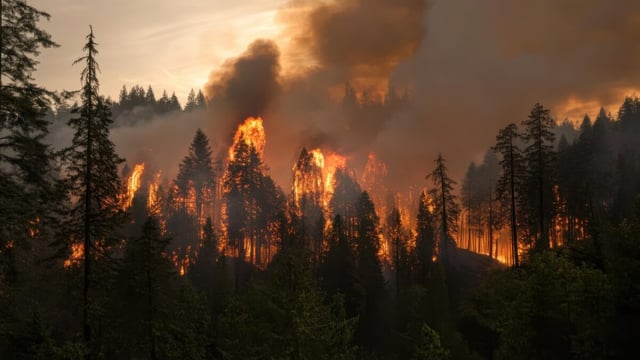
National Parks UK, the Cairngorms National Park Authority and VodafoneThree, launched a wildfire resilience programme on 23 October 2026, announced at the UK’s first Wildfire Resilience Summit, to support recovery from the July 2026 fire in the Cairngorms National Park in the Scottish Highlands and to prepare for future incidents. The programme sits within a three-year partnership between VodafoneThree and UK National Parks, and it covers ecological monitoring, the creation of ponds as firefighting water sources and the retention of firebreaks cut during the emergency response.
The July Fire That Defined The Brief
The fire began in mid-July 2026 in heathland at Ryvoan Bothy near Nethy Bridge and spread through moorland, forest and Caledonian pinewood, with the Irish Examiner describing it on 28 July as the worst the Cairngorms had experienced. Nethy Bridge was evacuated, more than 75 firefighters were on the fireground at one point, and three privately contracted helicopters dropped about 750,000 litres of water a day, according to that report. Firebreaks bulldozed in the first days saved much of the older forest, and VodafoneThree states that the fire affected thousands of hectares of habitat, including Caledonian pine forest, heathland and mountain habitats.
Monitoring Tools Named In The Programme
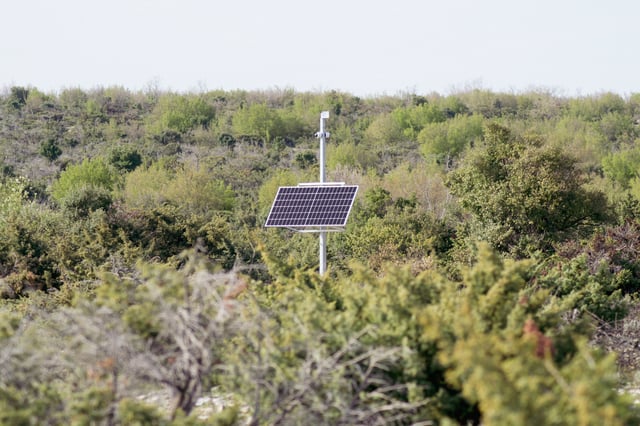
The programme will map burn severity and identify the landscape features that slowed or stopped the fire. Technologies listed for National Parks work include AI-powered habitat mapping, geospatial mapping, IoT sensors and smart wireless cameras, which Total Telecom reports will provide data on biodiversity, visitor impact and habitat health. During the response itself, thermal imaging drones guided firefighting and monitored hotspots, according to the announcement, which cites Grant Moir, Chief Executive of the Cairngorms National Park Authority, on the role technology played in the response.
Ponds form the physical side of the plan. They are meant to give firefighters accessible water close to high-risk ground, and the announcement also credits them with environmental benefits, while the retained firebreaks convert emergency works into permanent features of the landscape.
Connectivity As A Resilience Asset
Nicki Lyons, Chief Corporate Affairs and Sustainability Officer at VodafoneThree, said in the company’s October 2026 announcement: “Connectivity can play an important role in emergency preparedness and response, and this programme demonstrates how technology, local expertise and long-term commitment can come together to support communities facing changing climate.”
VodafoneThree is also working with the National Emergencies Trust on a UK Community Resilience Strategy that includes funding a toolkit and a dashboard, so the Cairngorms programme is one component of a wider resilience effort rather than a stand-alone trial.
A Summer Of Fires Drives Prevention Spending
The summit at which the partnership was announced followed a summer of wildfires across the UK, and a separate fire resilience summit was convened in Wales in the same week, according to ITV News. Prevention programmes of this type are therefore being specified while the damage from the 2026 season is still being surveyed.
The first measurable output will be the burn-severity maps, because they determine where the ponds and the retained firebreaks are sited, and the test of the three-year term will be whether sensor and camera coverage in the Cairngorms is in place before the next dry season, when response times and early-detection performance can be set against the July 2026 incident.