in Barcelona
 3 to 5 Nov 2026
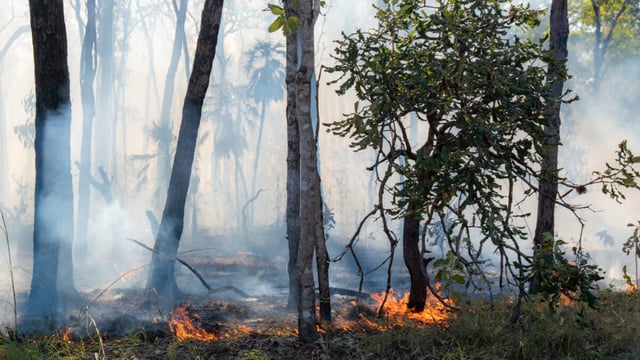
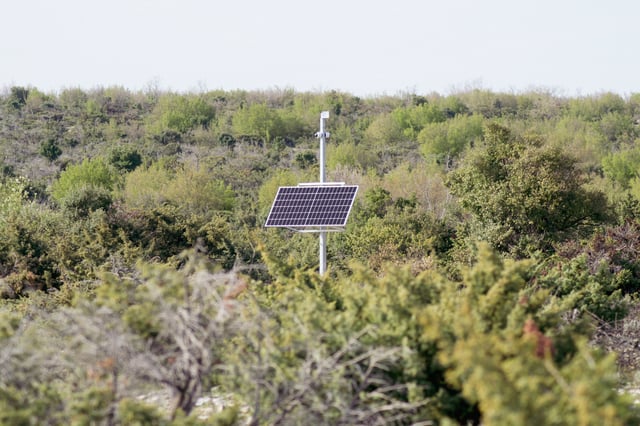
The Victorian Government in Australia announced on 26 October 2026 a A$3.8 million, three-year programme to add 11 AI-powered cameras to a network of seven existing units that scan plantation land for smoke, bringing the total to 18 cameras with the new units due to be installed by November 2027. The programme is funded jointly by Hancock Victorian Plantations and the Green Triangle Fire Alliance, and it was announced in the Premier of Victoria’s media release.
The cameras are mounted on private plantations in western and eastern Victoria, and the network covers more than 1.4 million hectares, of which 211,000 hectares are plantation and more than 85% of the monitored area is non-plantation land.
Seven Cameras Detected 86 Fires in Two Seasons
According to the release, the existing cameras detected 40 fires in the 2023-24 season and 46 fires in 2024-25, a combined 86 detections from seven units and an average of about 12 per camera across two seasons, a ratio derived here from the published counts. The cameras use artificial intelligence to scan around the clock for smoke and fire and flag possible fires for human checking.
Minister for Agriculture Michaela Settle said in the 26 October 2026 release: “These AI-powered cameras will spot fires earlier, giving firefighters more time to respond and keep communities safe.”
Plantation Industry Money Funds a Public-Safety Network
Victoria holds about 23% of the national plantation estate and produces about 29% of Australia’s wood, according to the release, and the funding comes from Hancock Victorian Plantations and the Green Triangle Fire Alliance even though more than 85% of the monitored area is not plantation land.
The release says the expansion follows a Commonwealth and Victorian Government investment in a Remote Sensing Bushfire Detection trial designed to test the accuracy of commercially available AI detection technology.
The Public Trial Runs on Fire Lookout Towers
The trial, run by Forest Fire Management Victoria, tests the reliability and timeliness of commercial software that detects smoke from ground cameras on fire lookouts, with the cameras configured to detect only smoke and to run 24 hours a day. The Australian and Victorian governments each contribute A$1.5 million through the Australian Government’s Disaster Ready Fund, a combined A$3 million, which is a slightly smaller sum than the A$3.8 million plantation-funded programme.
Phase 1 ran in the 2023-24 season at Mt Gordon, Mt Wombat, Peters Hill and a mobile trailer at Mt Vandyke, and Phase 2 runs through the 2024-25 season at Big Hill near Stawell, Mt Mittamatite and Mt Ida, with further sites planned. The trial supports Victoria’s 64 staffed fire lookouts, particularly after hours and in dangerous conditions, and depending on results Forest Fire Management Victoria may extend it to third-party infrastructure and develop a remote detection strategy.
What Separates the Two Networks
The trial uses state-owned lookout towers and a smoke-only configuration, while the plantation network uses privately owned sites and human verification of flagged fires, so two different ownership models now cover separate parts of the state’s forest country.
Both programmes use commercially available detection software, and the public trial was set up specifically to test its accuracy.
The 2027-28 Fire Season as the First Test of 18 Cameras
The timetable puts completion of the 11 additional cameras in November 2027, ahead of the 2027-28 summer fire season, which will be the first season in which all 18 units can operate. The benchmark for the expanded network is the 46 detections recorded by seven cameras in 2024-25, and the trial’s findings on detection accuracy will determine whether Victoria extends AI smoke detection from private plantations to public infrastructure.